Department of Biological Sciences and Institute for RNA Science and Technology, University at Albany, State University of New York, Albany, NY 12222, USA.
Nucleic Acids Res. 2010 Apr;38(7):2378-86. doi: 10.1093/nar/gkp1227. Epub 2010 Jan 12.
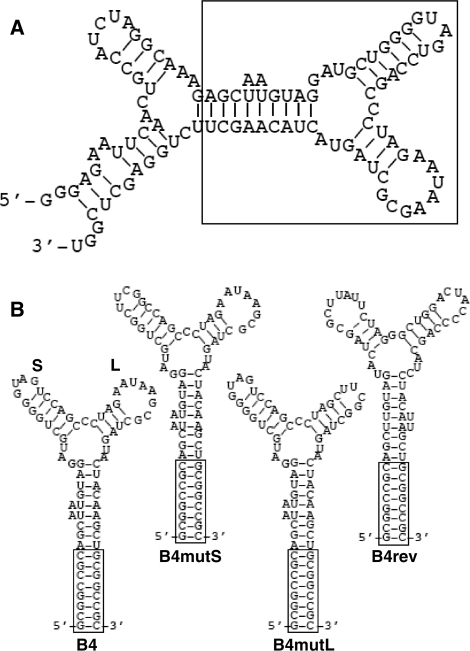
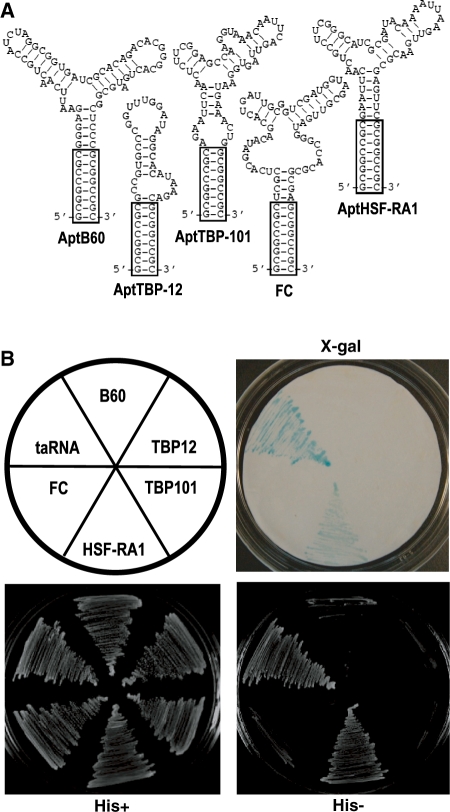
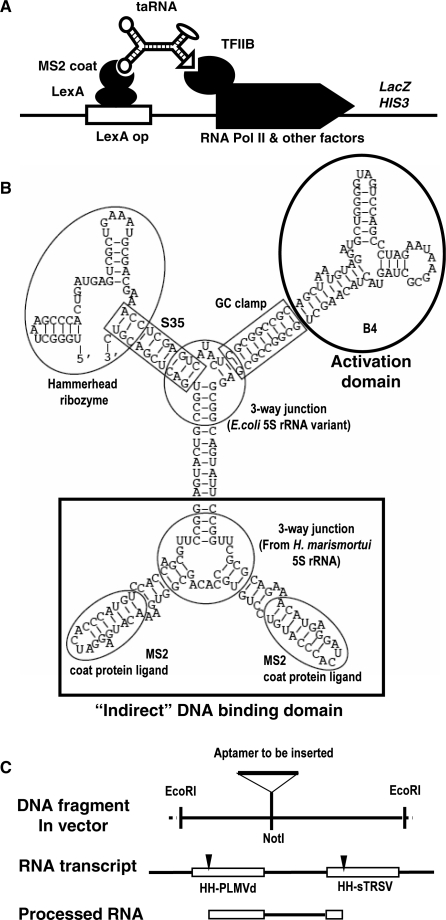
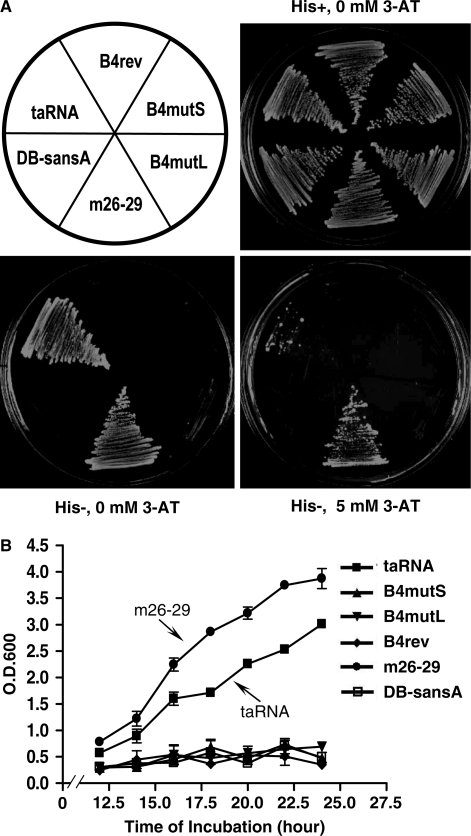
According to the recruitment model of transcriptional activation, an activator helps initiate transcription by bringing the RNA polymerase to a specific location on the DNA through interaction with components of the transcriptional machinery. However, it is difficult to isolate and define the activities of specific activator-target pairs experimentally through rearranging existing protein parts. Here we designed and constructed an RNA-based transcriptional activator to study specificity from both sides of the activator-target interface. Utilizing a well-characterized site-specific RNA aptamer for TFIIB, we were able to delineate some key features of this process. By rationally converting an inhibitory aptamer into the activation domain of the activator, we also introduced a new source of submolecular building blocks to synthetic biology.
根据转录激活的招募模型,激活因子通过与转录机制组件相互作用,将 RNA 聚合酶带到 DNA 的特定位置,从而帮助起始转录。然而,通过重新排列现有蛋白质部分,很难在实验中分离和定义特定激活因子-靶标对的活性。在这里,我们设计并构建了一种基于 RNA 的转录激活子,以从激活因子-靶标界面的两侧研究特异性。利用针对 TFIIB 的一种经过充分表征的位点特异性 RNA 适体,我们能够描绘出这个过程的一些关键特征。通过合理地将抑制适体转化为激活因子的激活结构域,我们也为合成生物学引入了一种新的亚分子构建块来源。