Infectious and Inflammatory Diseases Center, Burnham Institute for Medical Research, La Jolla, CA 92037, USA.
Immunity. 2010 Jan 29;32(1):104-15. doi: 10.1016/j.immuni.2009.10.011. Epub 2010 Jan 14.
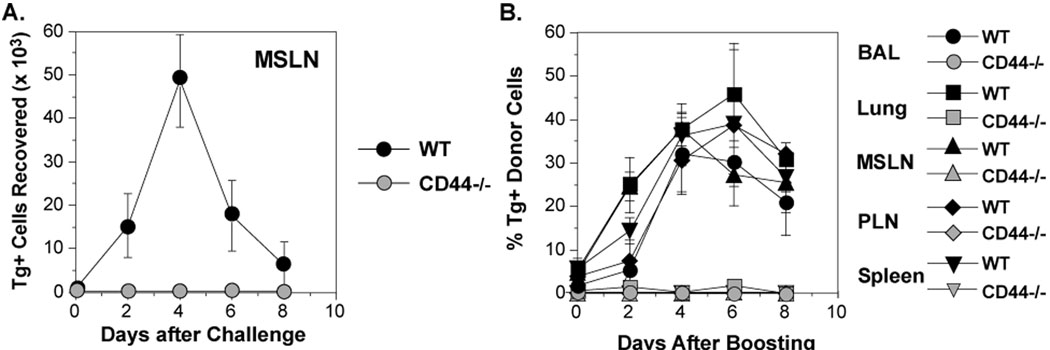
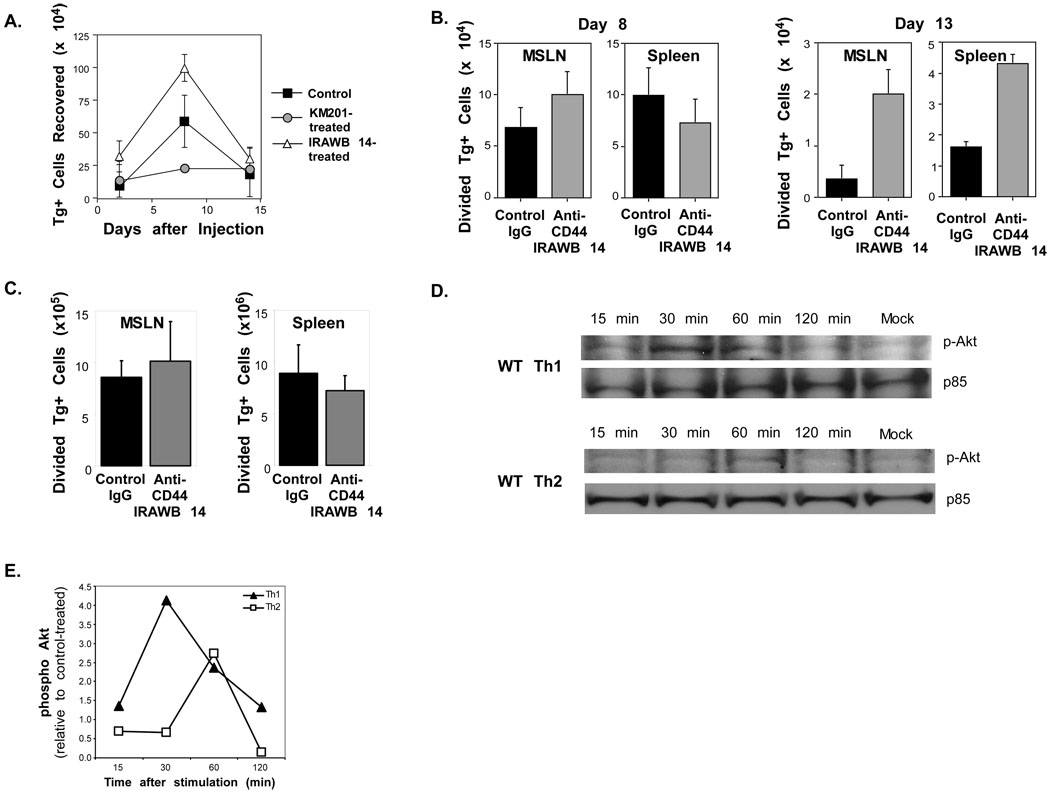
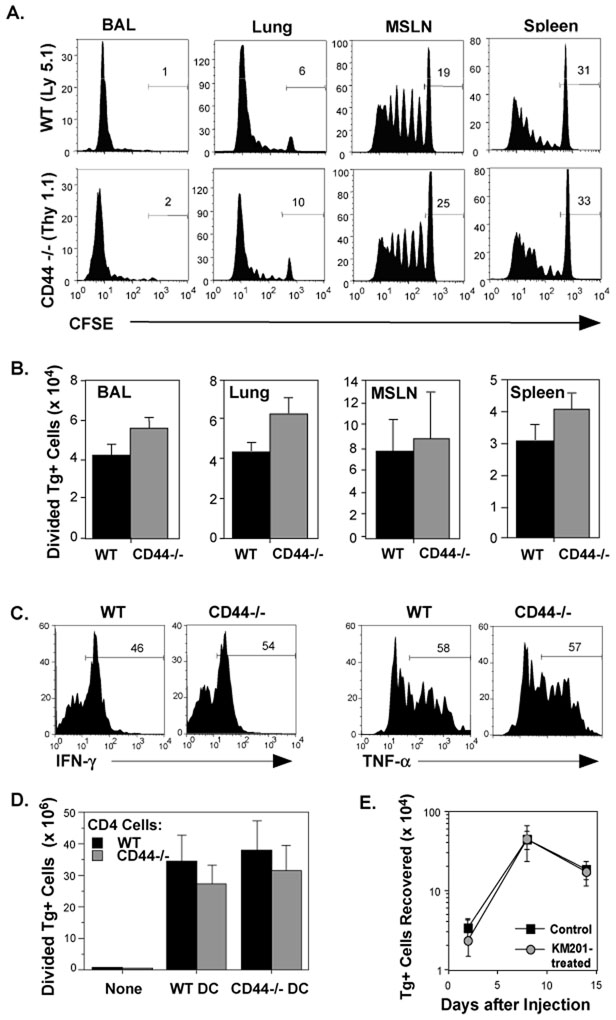
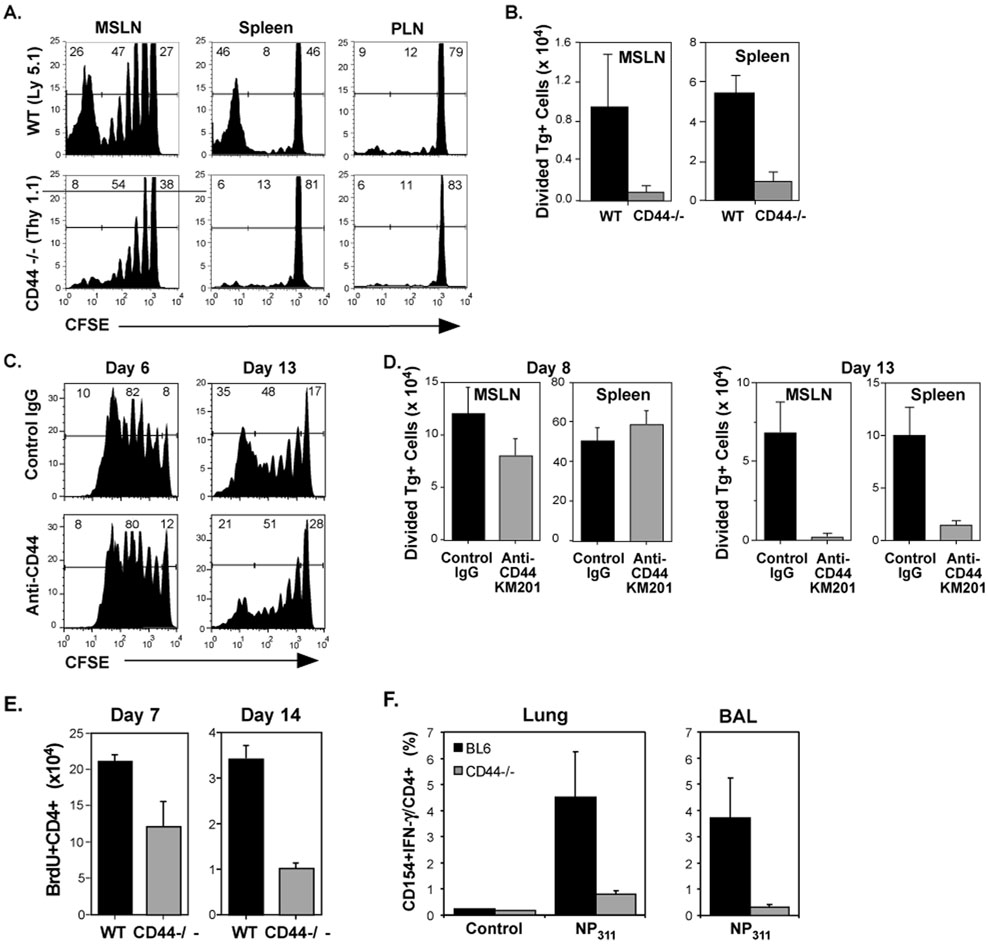
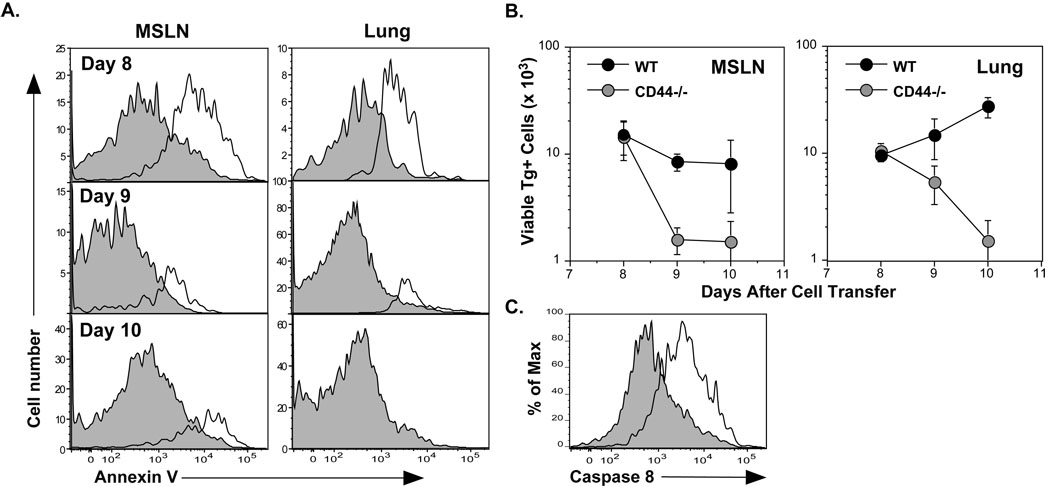
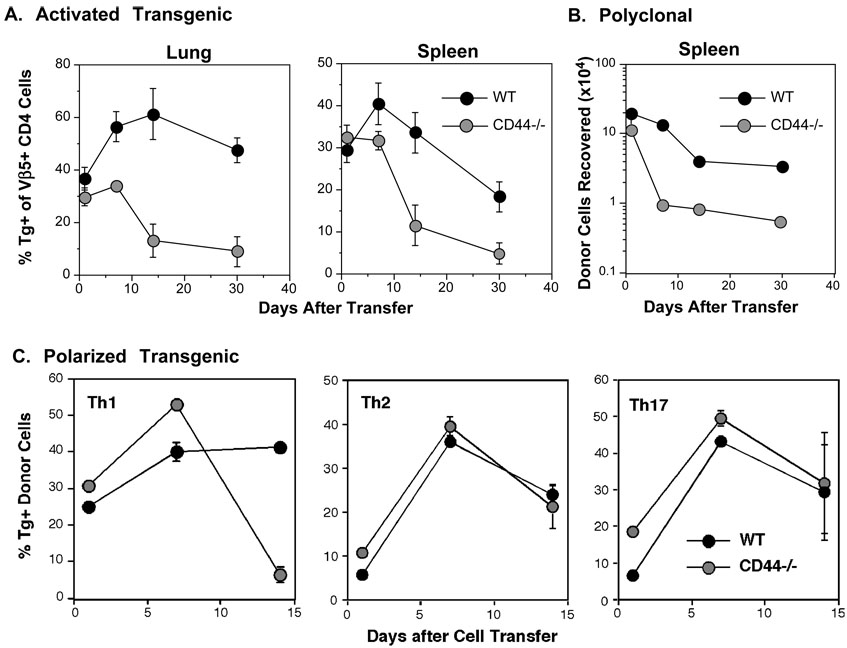
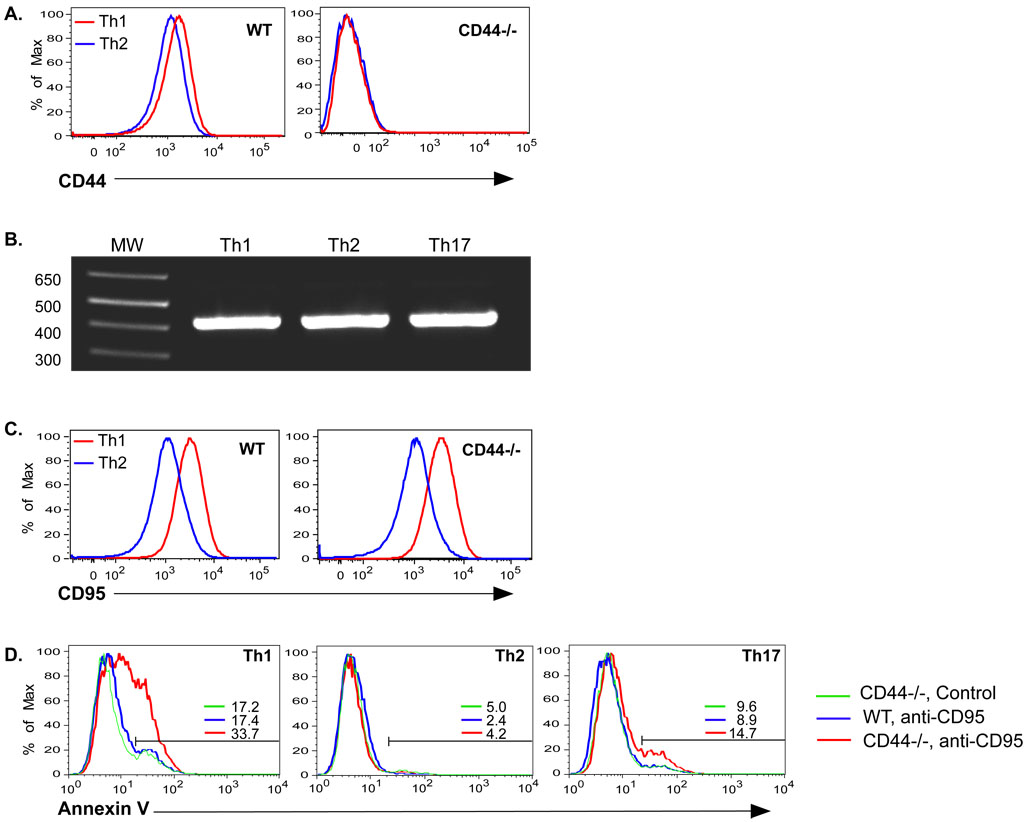
Optimal immunity to microorganisms depends upon the regulated death of clonally expanded effector cells and the survival of a cohort of cells that become memory cells. After activation of naive T cells, CD44, a widely expressed receptor for extracellular matrix components, is upregulated. High expression of CD44 remains on memory cells and despite its wide usage as a "memory marker," its function is unknown. Here we report that CD44 was essential for the generation of memory T helper 1 (Th1) cells by promoting effector cell survival. This dependency was not found in Th2, Th17, or CD8(+) T cells despite similar expression of CD44 and the absence of splice variants in all subsets. CD44 limited Fas-mediated death in Th1 cells and its ligation engaged the phosphoinositide 3-kinase-Akt kinase signaling pathway that regulates cell survival. The difference in CD44-regulated apoptosis resistance in T cell subpopulations has important implications in a broad spectrum of diseases.
最佳的微生物免疫力取决于克隆扩增效应细胞的程序性死亡和一群成为记忆细胞的细胞的存活。在幼稚 T 细胞被激活后,细胞外基质成分的广泛表达受体 CD44 被上调。记忆细胞上持续高表达 CD44,尽管它被广泛用作“记忆标记”,但其功能尚不清楚。在这里,我们报告 CD44 通过促进效应细胞存活对于记忆 T 辅助 1(Th1)细胞的产生是必不可少的。尽管在所有亚群中 CD44 和剪接变体的表达相似,并且不存在 Th2、Th17 或 CD8(+) T 细胞中并未发现这种依赖性。CD44 限制了 Th1 细胞中 Fas 介导的死亡,其连接激活了调节细胞存活的磷酸肌醇 3-激酶-Akt 激酶信号通路。T 细胞亚群中 CD44 调节的细胞凋亡抵抗的差异在广泛的疾病中具有重要意义。