The Australian Museum, 6 College St., Sydney, NSW, 2010, Australia.
Department of Chemistry and Biochemistry, University of Colorado, Boulder, CO 80309, USA.
Int J Mol Sci. 2009 Nov 3;10(11):4723-4741. doi: 10.3390/ijms10114723.
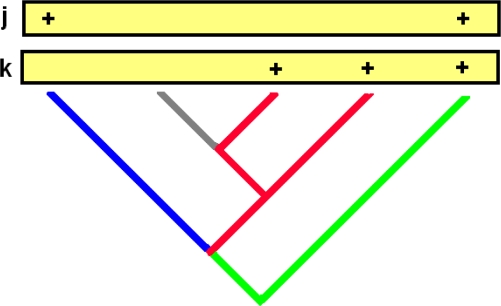
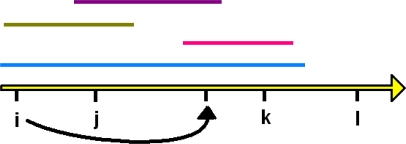
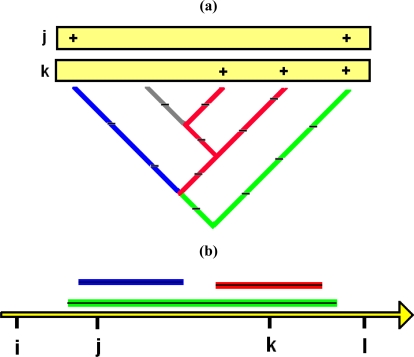
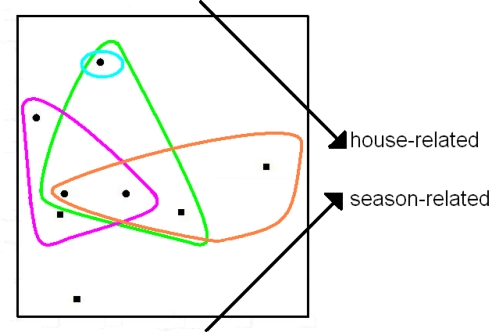
The PD measure of phylogenetic diversity interprets branch lengths cladistically to make inferences about feature diversity. PD calculations extend conventional species-level ecological indices to the features level. The "phylogenetic beta diversity" framework developed by microbial ecologists calculates PD-dissimilarities between community localities. Interpretation of these PD-dissimilarities at the feature level explains the framework's success in producing ordinations revealing environmental gradients. An example gradients space using PD-dissimilarities illustrates how evolutionary features form unimodal response patterns to gradients. This features model supports new application of existing species-level methods that are robust to unimodal responses, plus novel applications relating to climate change, commercial products discovery, and community assembly.
系统发育多样性的 PD 测度通过分支长度的系统发育解释来推断特征多样性。PD 计算将传统的物种水平生态指数扩展到特征水平。微生物生态学家开发的“系统发育β多样性”框架计算了群落地点之间的 PD 不相似性。在特征水平上解释这些 PD 不相似性,解释了该框架在产生揭示环境梯度的排序方面的成功。使用 PD 不相似性的一个示例梯度空间说明了进化特征如何对梯度形成单峰响应模式。这个特征模型支持了现有物种水平方法的新应用,这些方法对单峰响应具有稳健性,以及与气候变化、商业产品发现和群落组装有关的新应用。