Department of Chemistry, University of Wisconsin, Madison, Wisconsin 53706, USA.
J Am Chem Soc. 2010 Feb 17;132(6):1953-9. doi: 10.1021/ja9085148.
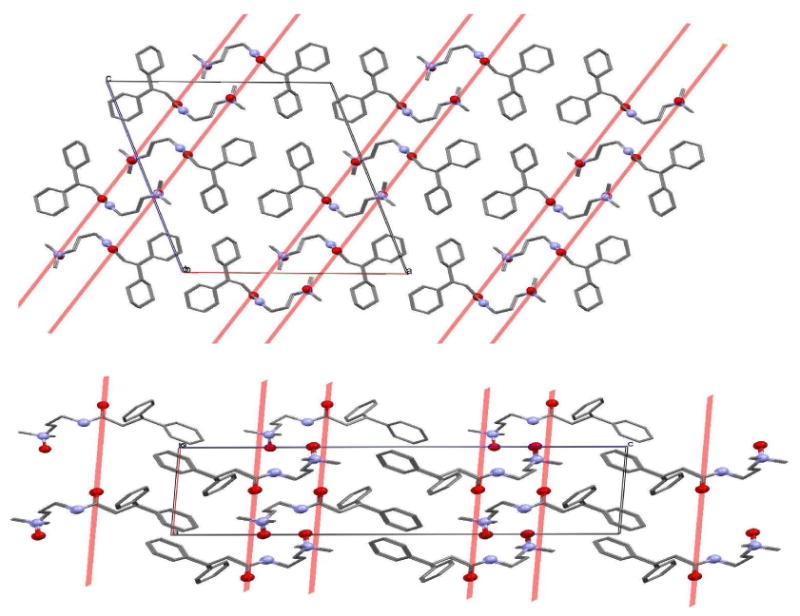
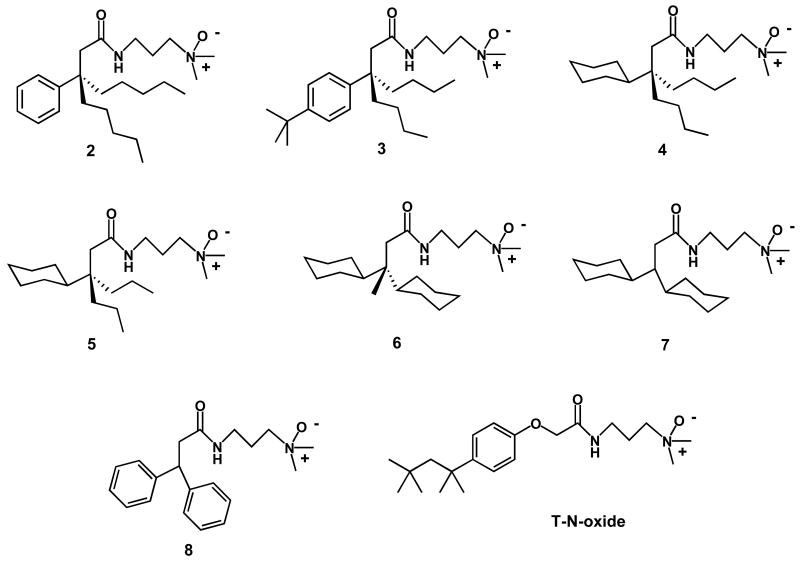
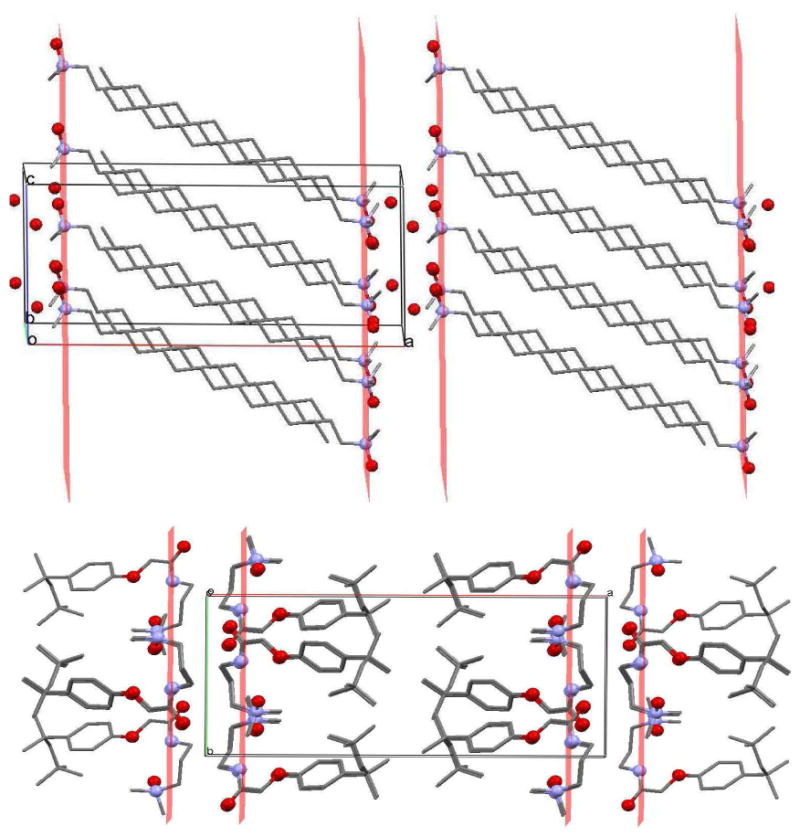
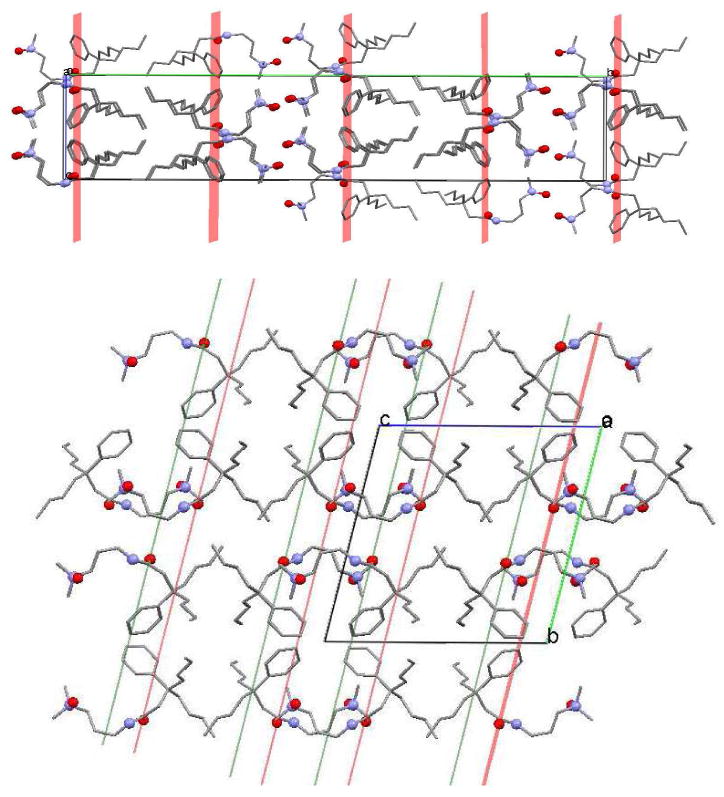
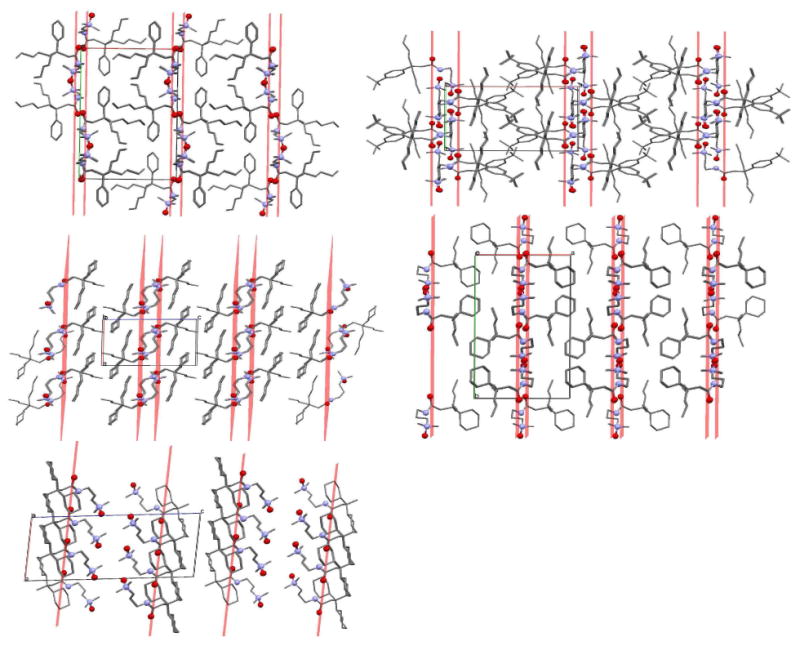
Tripod amphiphiles are designed to promote the solubilization and stabilization of intrinsic membrane proteins in aqueous solution; facilitation of crystallization is a long-range goal. Membrane proteins are subjects of extensive interest because of their critical biological roles, but proteins of this type can be difficult to study because of their low solubility in water. The nonionic detergents that are typically used to achieve solubility can have the unintended effect of causing protein denaturation. Tripod amphiphiles differ from conventional detergents in that the lipophilic segment contains a branchpoint, and previous work has shown that this unusual amphiphilic architecture can be advantageous relative to traditional detergent structures. Here, we report the crystal structures of several tripod amphiphiles that contain an N-oxide hydrophilic group. The data suggest that tripods can adapt themselves to a nonpolar surface by altering the hydrophobic appendage that projects toward that surface and their overall orientation relative to that surface. Although it is not possible to draw firm conclusions regarding amphiphile association in solution from crystallographic data, trends observed among the packing patterns reported here suggest design strategies to be implemented in future studies.
三脚架两亲分子旨在促进内在膜蛋白在水溶液中的溶解和稳定化;促进结晶是一个长远目标。由于其关键的生物学作用,膜蛋白是广泛关注的对象,但由于这类蛋白质在水中的溶解度低,因此难以研究。通常用于实现溶解度的非离子型去污剂可能会产生意想不到的蛋白质变性效果。三脚架两亲分子与传统去污剂的不同之处在于亲脂段含有分支点,以前的工作表明,这种不寻常的两亲分子结构相对于传统的去污剂结构可能具有优势。在这里,我们报告了几种含有 N-氧化物亲水基团的三脚架两亲分子的晶体结构。数据表明,三脚架可以通过改变朝向该表面的疏水附属物及其相对于该表面的整体取向来适应非极性表面。尽管从晶体学数据中不可能对溶液中的两亲物缔合得出确凿的结论,但这里报道的堆积模式之间观察到的趋势表明了未来研究中要实施的设计策略。