Department of Psychology, Dalhousie University, Halifax, Canada.
BMC Neurol. 2010 Jan 29;10:11. doi: 10.1186/1471-2377-10-11.
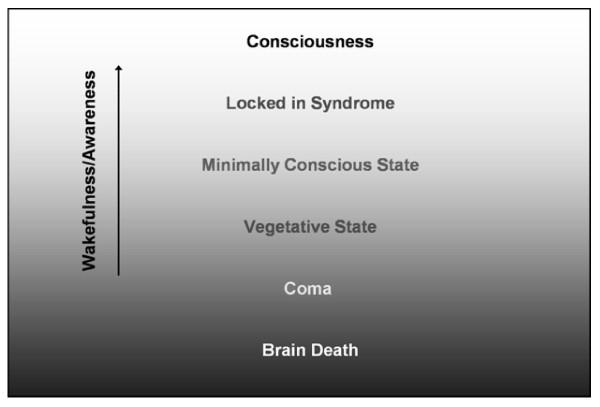
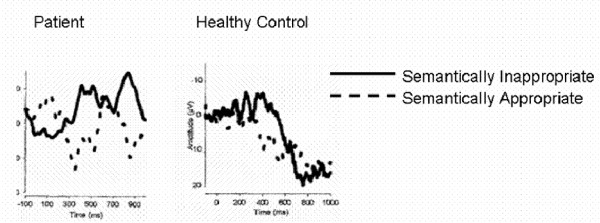
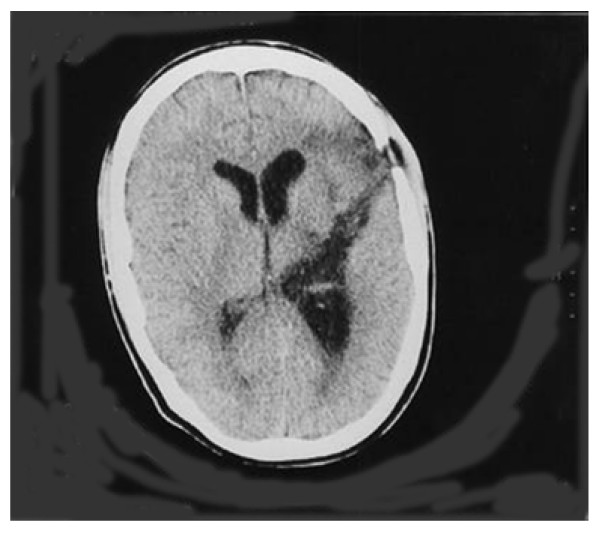
In clinical neurology, a comprehensive understanding of consciousness has been regarded as an abstract concept--best left to philosophers. However, times are changing and the need to clinically assess consciousness is increasingly becoming a real-world, practical challenge. Current methods for evaluating altered levels of consciousness are highly reliant on either behavioural measures or anatomical imaging. While these methods have some utility, estimates of misdiagnosis are worrisome (as high as 43%)--clearly this is a major clinical problem. The solution must involve objective, physiologically based measures that do not rely on behaviour. This paper reviews recent advances in physiologically based measures that enable better evaluation of consciousness states (coma, vegetative state, minimally conscious state, and locked in syndrome). Based on the evidence to-date, electroencephalographic and neuroimaging based assessments of consciousness provide valuable information for evaluation of residual function, formation of differential diagnoses, and estimation of prognosis.
在临床神经病学中,对意识的全面理解一直被视为一个抽象的概念——最好留给哲学家。然而,时代在变,临床评估意识的需求正日益成为一个现实世界的实际挑战。目前评估意识改变水平的方法高度依赖于行为测量或解剖成像。虽然这些方法具有一定的用途,但误诊的估计令人担忧(高达 43%)——这显然是一个主要的临床问题。解决方案必须涉及客观的、基于生理学的测量方法,而不依赖于行为。本文回顾了基于生理学的测量方法的最新进展,这些方法能够更好地评估意识状态(昏迷、植物状态、最小意识状态和闭锁综合征)。基于迄今为止的证据,基于脑电图和神经影像学的意识评估为评估残留功能、形成鉴别诊断和估计预后提供了有价值的信息。