Department of Orthopaedic Surgery, Brigham and Women's Hospital, Harvard Medical School, Chestnut Hill, MA 02467, USA.
Knee Surg Sports Traumatol Arthrosc. 2010 Apr;18(4):434-47. doi: 10.1007/s00167-010-1072-x. Epub 2010 Feb 4.
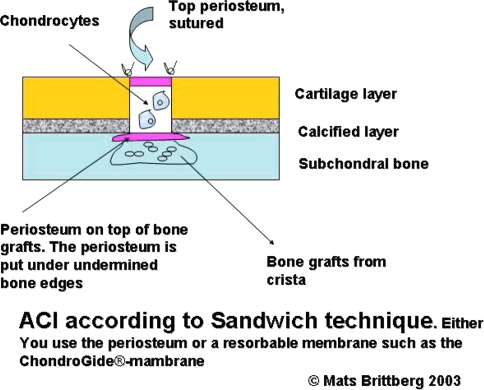
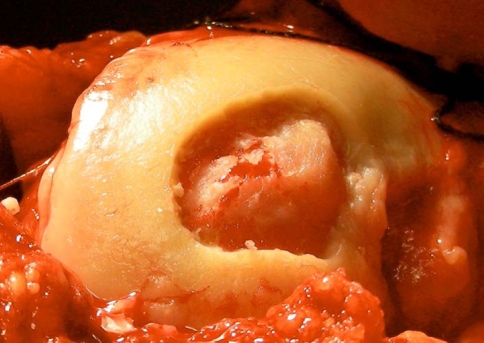
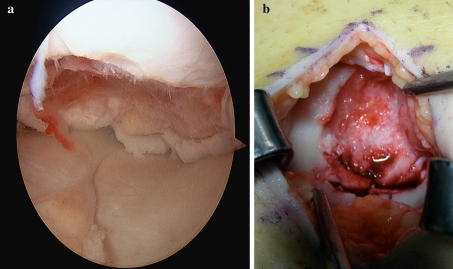
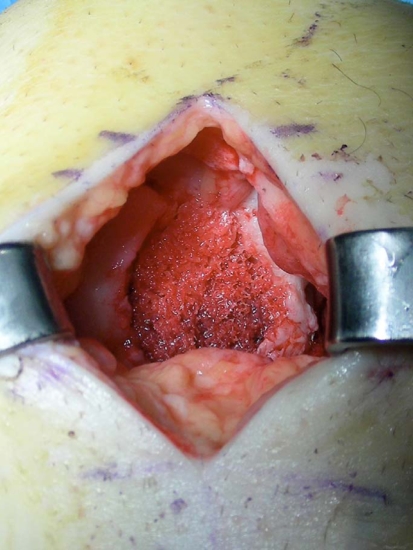
As the understanding of interactions between articular cartilage and subchondral bone continues to evolve, increased attention is being directed at treatment options for the entire osteochondral unit, rather than focusing on the articular surface only. It is becoming apparent that without support from an intact subchondral bed, any treatment of the surface chondral lesion is likely to fail. This article reviews issues affecting the entire osteochondral unit, such as subchondral changes after marrow-stimulation techniques and meniscectomy or large osteochondral defects created by prosthetic resurfacing techniques. Also discussed are surgical techniques designed to address these issues, including the use of osteochondral allografts, autologous bone grafting, next generation cell-based implants, as well as strategies after failed subchondral repair and problems specific to the ankle joint. Lastly, since this area remains in constant evolution, the requirements for prospective studies needed to evaluate these emerging technologies will be reviewed.
随着人们对关节软骨和软骨下骨之间相互作用的认识不断发展,人们越来越关注整个骨软骨单位的治疗选择,而不仅仅是关注关节表面。越来越明显的是,如果没有完整的软骨下床的支持,任何针对表面软骨病变的治疗都可能失败。本文回顾了影响整个骨软骨单位的问题,如骨髓刺激技术和半月板切除术或人工关节表面置换技术引起的大骨软骨缺损后的软骨下变化。还讨论了旨在解决这些问题的手术技术,包括使用同种异体骨软骨移植、自体骨移植、下一代基于细胞的植入物,以及软骨下修复失败后的策略和踝关节特有的问题。最后,由于该领域仍在不断发展,因此需要对这些新技术进行评估的前瞻性研究的要求也将进行回顾。