Centre for Infection, Cellular and Molecular Medicine, St. George's University of London, London, UK.
Mol Microbiol. 2010 Mar;75(6):1402-13. doi: 10.1111/j.1365-2958.2010.07060.x. Epub 2009 Feb 1.
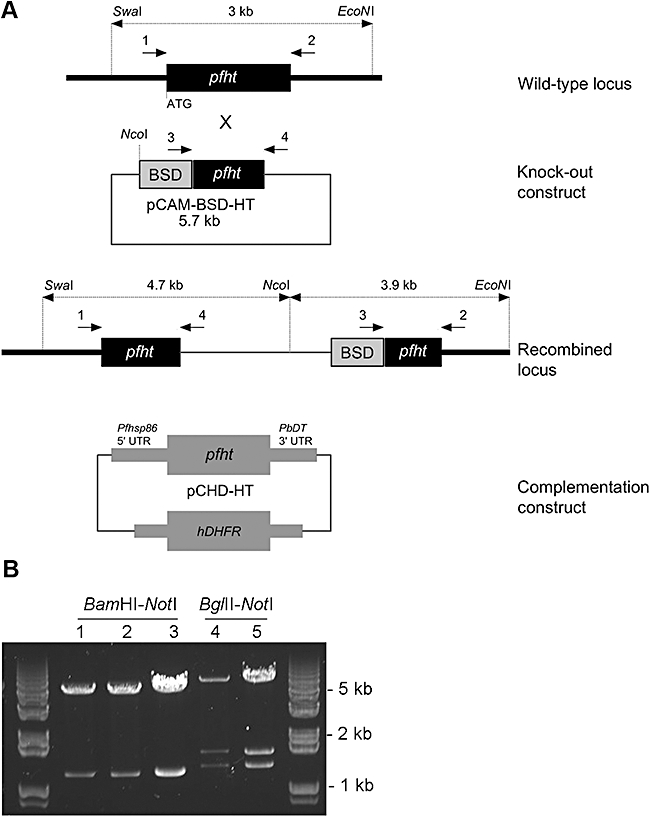
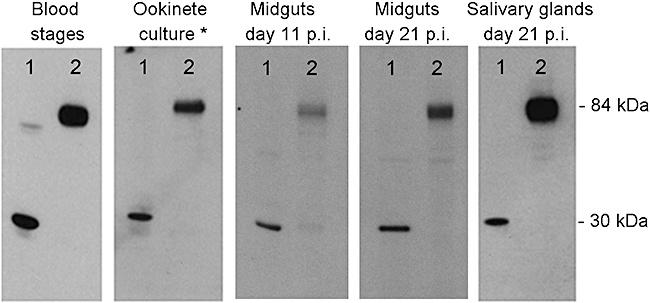
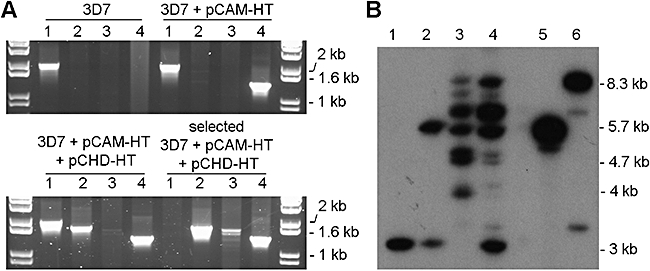
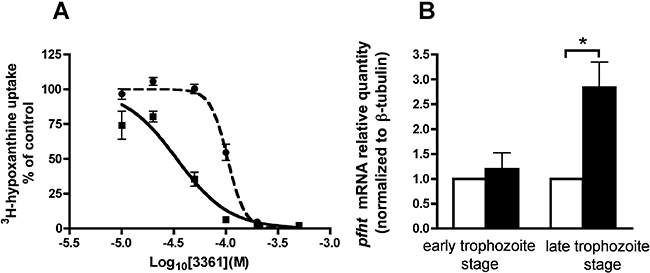
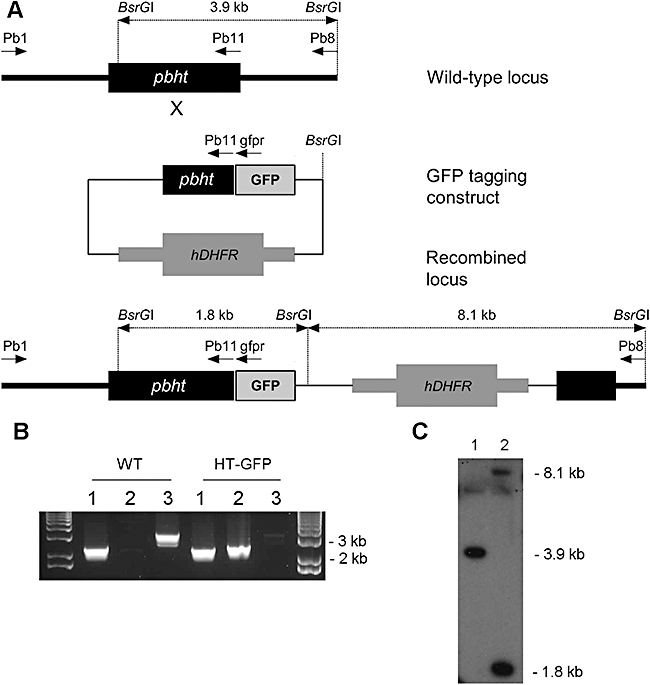
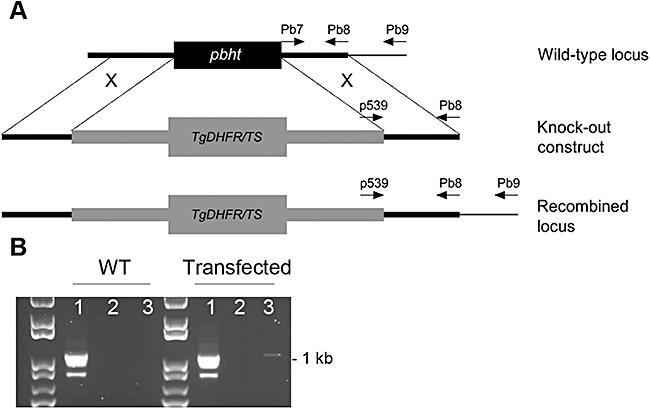
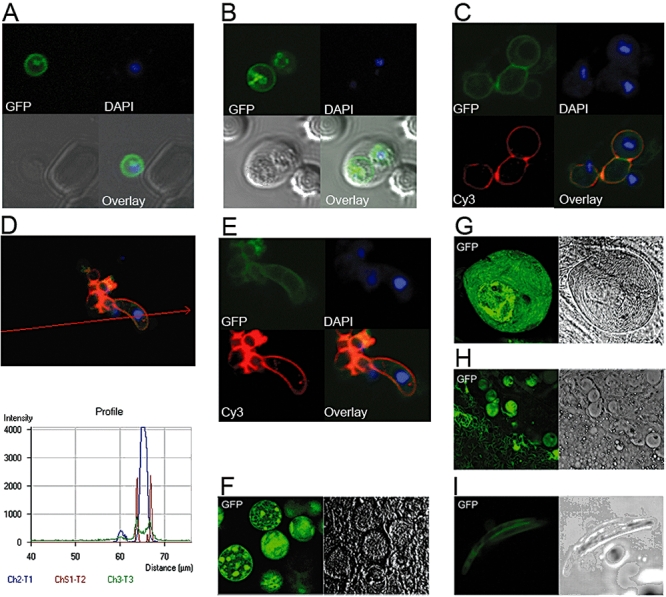
A Plasmodium falciparum hexose transporter (PfHT) has previously been shown to be a facilitative glucose and fructose transporter. Its expression in Xenopus laevis oocytes and the use of a glucose analogue inhibitor permitted chemical validation of PfHT as a novel drug target. Following recent re-annotations of the P. falciparum genome, other putative sugar transporters have been identified. To investigate further if PfHT is the key supplier of hexose to P. falciparum and to extend studies to different stages of Plasmodium spp., we functionally analysed the hexose transporters of both the human parasite P. falciparum and the rodent parasite Plasmodium berghei using gene targeting strategies. We show here the essential function of pfht for the erythrocytic parasite growth as it was not possible to knockout pfht unless the gene was complemented by an episomal construct. Also, we show that parasites are rescued from the toxic effect of a glucose analogue inhibitor when pfht is overexpressed in these transfectants. We found that the rodent malaria parasite orthologue, P. berghei hexose transporter (PbHT) gene, was similarly refractory to knockout attempts. However, using a single cross-over transfection strategy, we generated transgenic P. berghei parasites expressing a PbHT-GFP fusion protein suggesting that locus is amenable for gene targeting. Analysis of pbht-gfp transgenic parasites showed that PbHT is constitutively expressed through all the stages in the mosquito host in addition to asexual stages. These results provide genetic support for prioritizing PfHT as a target for novel antimalarials that can inhibit glucose uptake and kill parasites, as well as unveiling the expression of this hexose transporter in mosquito stages of the parasite, where it is also likely to be critical for survival.
疟原虫六碳糖转运蛋白(PfHT)先前被证实为葡萄糖和果糖的易化转运蛋白。在非洲爪蟾卵母细胞中的表达及其葡萄糖类似物抑制剂的使用,使得 PfHT 作为一种新的药物靶点得到了化学验证。在最近对恶性疟原虫基因组的重新注释之后,已经鉴定出其他假定的糖转运蛋白。为了进一步研究 PfHT 是否是疟原虫提供六碳糖的关键供应者,并将研究扩展到不同阶段的疟原虫,我们使用基因靶向策略对人类寄生虫恶性疟原虫和啮齿动物寄生虫伯氏疟原虫的六碳糖转运蛋白进行了功能分析。我们在这里展示了 pfht 对红内期寄生虫生长的必需功能,因为除非基因被质体构建体互补,否则不可能敲除 pfht。此外,我们还表明,当 pfht 在这些转染子中过表达时,寄生虫可以从葡萄糖类似物抑制剂的毒性作用中恢复。我们发现,啮齿动物疟疾寄生虫的同源物,即伯氏疟原虫六碳糖转运蛋白(PbHT)基因,同样难以进行敲除尝试。然而,我们使用单交叉转染策略,生成了表达 PbHT-GFP 融合蛋白的转基因伯氏疟原虫寄生虫,这表明该基因座可用于基因靶向。对 pbht-gfp 转基因寄生虫的分析表明,PbHT 在蚊媒宿主中的所有阶段都持续表达,除了无性阶段。这些结果为将 PfHT 作为抑制葡萄糖摄取和杀死寄生虫的新型抗疟药物靶点提供了遗传支持,同时揭示了这种六碳糖转运蛋白在寄生虫的蚊媒阶段的表达,这也可能对生存至关重要。