Institute for Cell and Molecular Biosciences, Newcastle University, Newcastle upon Tyne, NE2 4HH, UK.
BMC Genomics. 2010 Feb 8;11:99. doi: 10.1186/1471-2164-11-99.
Trichomonas vaginalis is the most common non-viral human sexually transmitted pathogen and importantly, contributes to facilitating the spread of HIV. Yet very little is known about its surface and secreted proteins mediating interactions with, and permitting the invasion and colonisation of, the host mucosa. Initial annotations of T. vaginalis genome identified a plethora of candidate extracellular proteins.
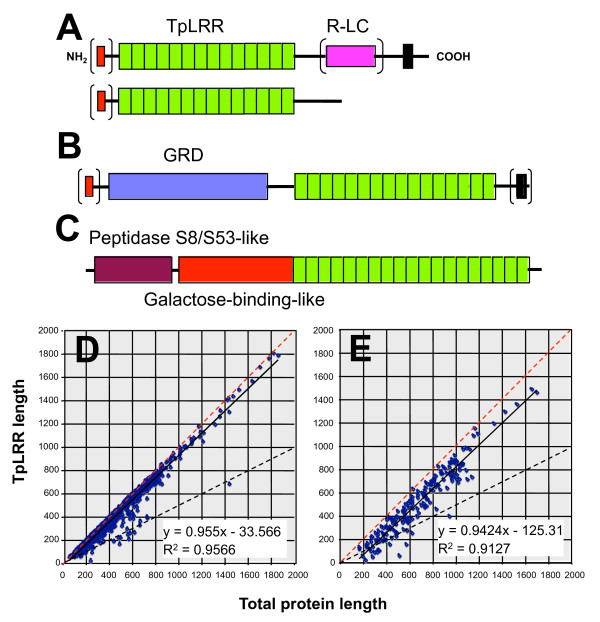
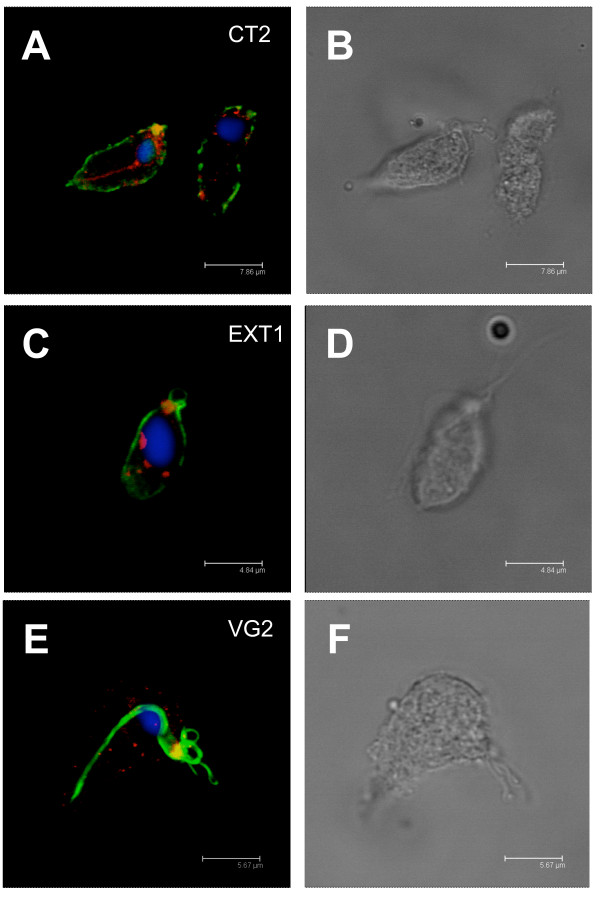
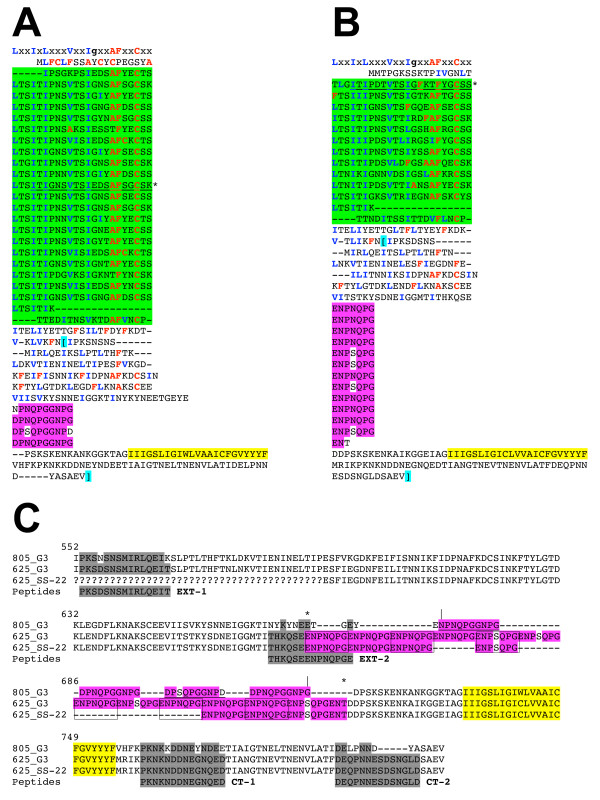
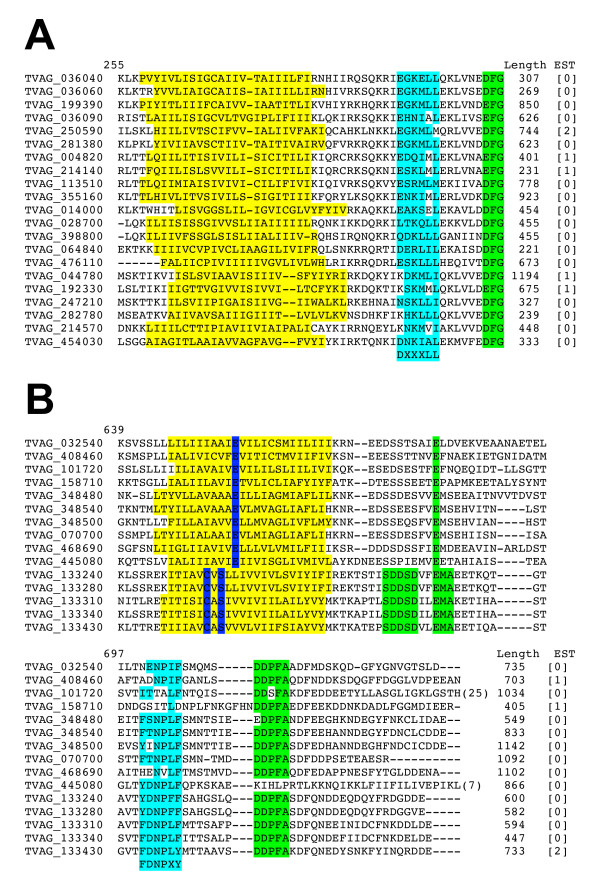
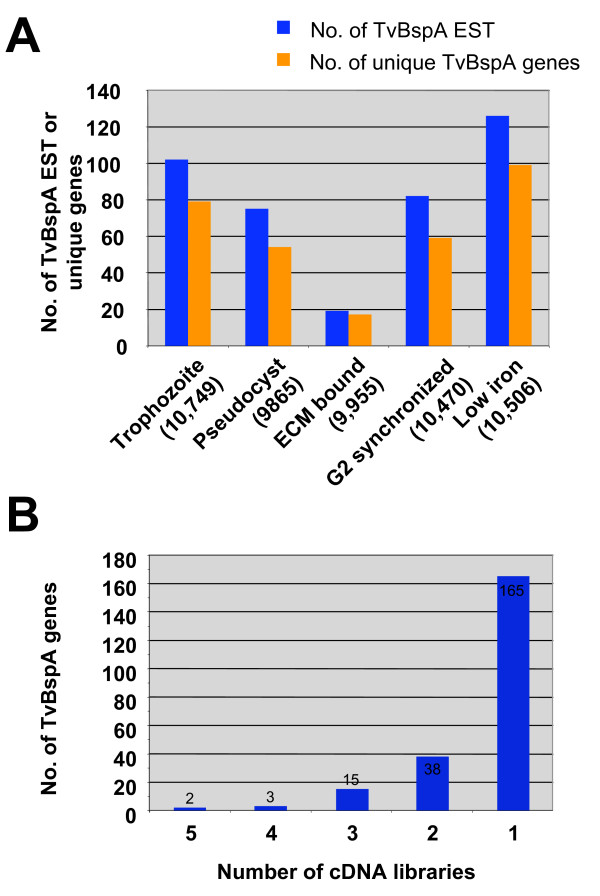
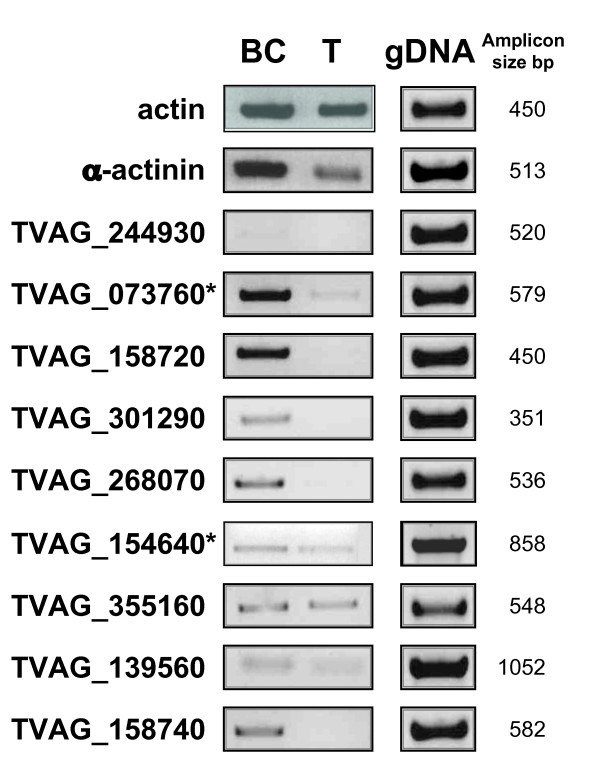
Data mining of the T. vaginalis genome identified 911 BspA-like entries (TvBspA) sharing TpLRR-like leucine-rich repeats, which represent the largest gene family encoding potential extracellular proteins for the pathogen. A broad range of microorganisms encoding BspA-like proteins was identified and these are mainly known to live on mucosal surfaces, among these T. vaginalis is endowed with the largest gene family. Over 190 TvBspA proteins with inferred transmembrane domains were characterised by a considerable structural diversity between their TpLRR and other types of repetitive sequences and two subfamilies possessed distinct classic sorting signal motifs for endocytosis. One TvBspA subfamily also shared a glycine-rich protein domain with proteins from Clostridium difficile pathogenic strains and C. difficile phages. Consistent with the hypothesis that TvBspA protein structural diversity implies diverse roles, we demonstrated for several TvBspA genes differential expression at the transcript level in different growth conditions. Identified variants of repetitive segments between several TvBspA paralogues and orthologues from two clinical isolates were also consistent with TpLRR and other repetitive sequences to be functionally important. For one TvBspA protein cell surface expression and antibody responses by both female and male T. vaginalis infected patients were also demonstrated.
The biased mucosal habitat for microbial species encoding BspA-like proteins, the characterisation of a vast structural diversity for the TvBspA proteins, differential expression of a subset of TvBspA genes and the cellular localisation and immunological data for one TvBspA; all point to the importance of the TvBspA proteins to various aspects of T. vaginalis pathobiology at the host-pathogen interface.
阴道毛滴虫是最常见的非病毒性人类性传播病原体,重要的是,它有助于促进 HIV 的传播。然而,人们对其介导与宿主黏膜相互作用、并允许入侵和定植的表面和分泌蛋白知之甚少。阴道毛滴虫基因组的初步注释确定了大量候选细胞外蛋白。
对阴道毛滴虫基因组进行的数据挖掘发现了 911 个具有 TpLRR 样亮氨酸丰富重复序列的 BspA 样条目(TvBspA),这代表了该病原体编码潜在细胞外蛋白的最大基因家族。鉴定出了一大类编码 BspA 样蛋白的微生物,这些微生物主要生活在黏膜表面,其中阴道毛滴虫拥有最大的基因家族。超过 190 个具有推断的跨膜结构域的 TvBspA 蛋白在它们的 TpLRR 和其他类型的重复序列之间具有相当大的结构多样性,并且两个亚家族具有独特的经典内吞作用信号基序。一个 TvBspA 亚家族还与艰难梭菌致病性菌株和艰难梭菌噬菌体的富含甘氨酸的蛋白结构域共享。与 TvBspA 蛋白结构多样性意味着多种作用的假设一致,我们在不同的生长条件下证明了几个 TvBspA 基因在转录水平上的差异表达。在来自两个临床分离株的几个 TvBspA 旁系同源物和直系同源物之间,重复片段的变体也与 TpLRR 和其他重复序列一样,具有重要的功能。对于一种 TvBspA 蛋白,还证明了细胞表面表达和受感染的女性和男性阴道毛滴虫患者的抗体反应。
编码 BspA 样蛋白的微生物物种的偏黏膜生境、TvBspA 蛋白的巨大结构多样性的特征、一部分 TvBspA 基因的差异表达以及一种 TvBspA 蛋白的细胞定位和免疫学数据,都指向 TvBspA 蛋白在宿主-病原体界面的各种阴道毛滴虫病理生物学方面的重要性。