Department of Surgery, University of Washington, Seattle, Washington, United States of America.
PLoS One. 2010 Feb 8;5(2):e9103. doi: 10.1371/journal.pone.0009103.
Ischemia-reperfusion (I/R) injury contributes to organ dysfunction in a variety of clinical disorders, including myocardial infarction, stroke, organ transplantation, and hemorrhagic shock. Recent investigations have demonstrated that apoptosis as an important mechanism of cell death leading to organ dysfunction following I/R. Intracellular danger-associated molecular patterns (DAMPs) released during cell death can activate cytoprotective responses by engaging receptors of the innate immune system.
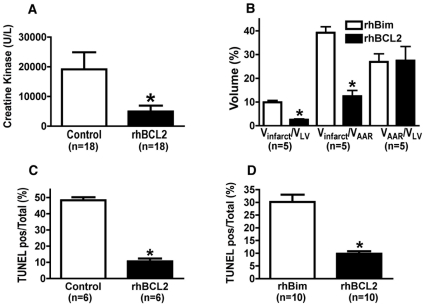
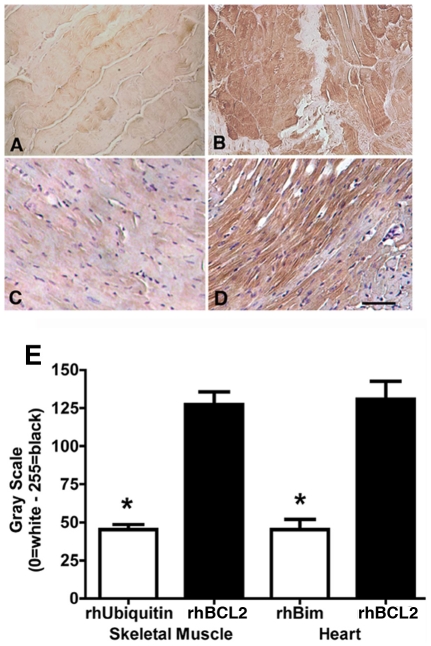
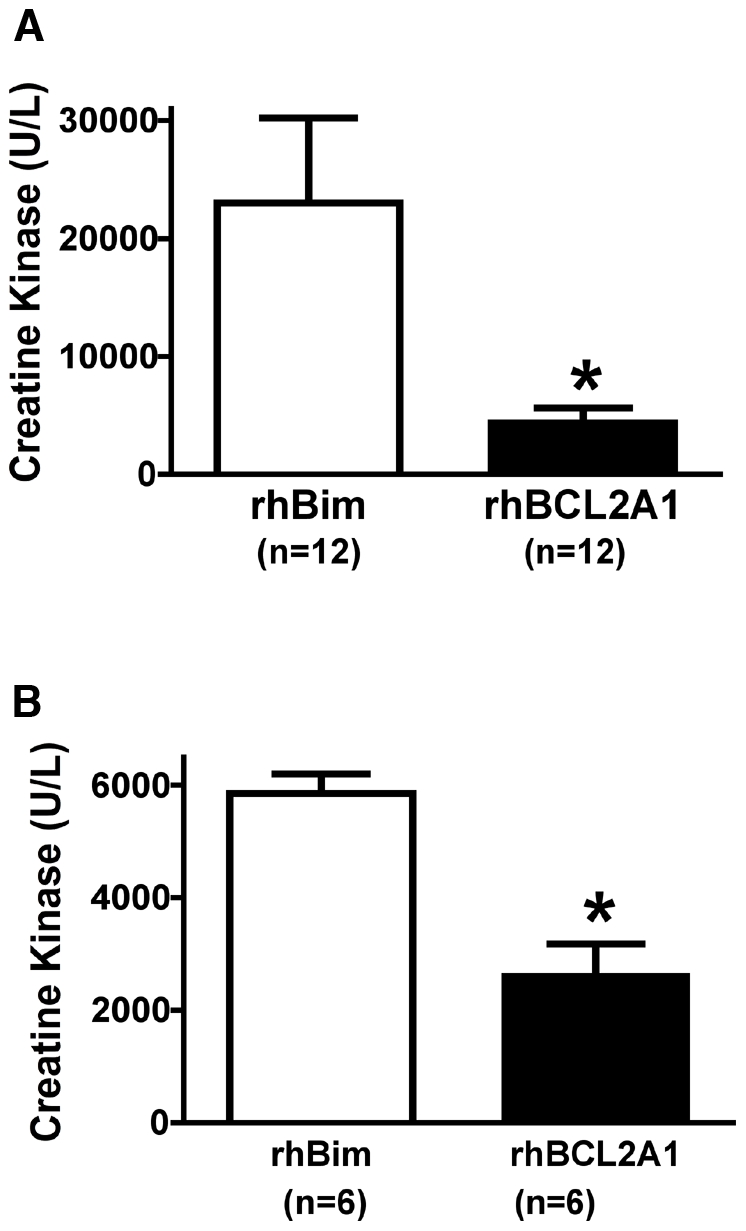
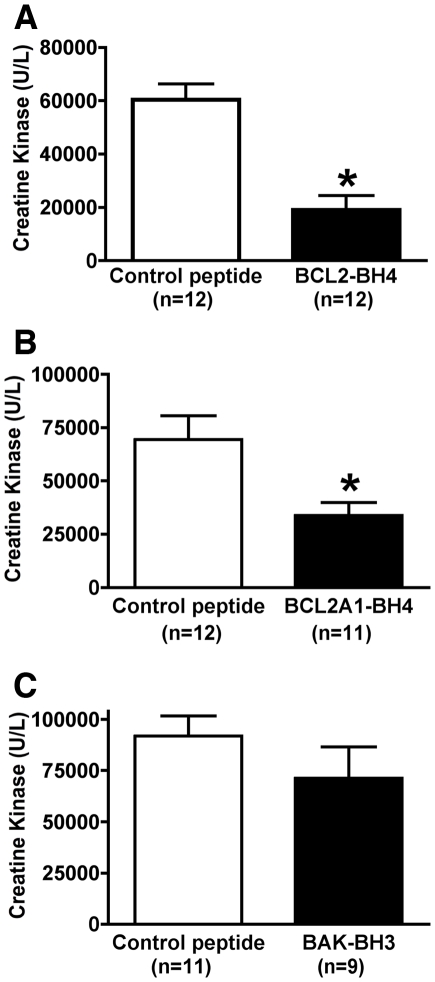
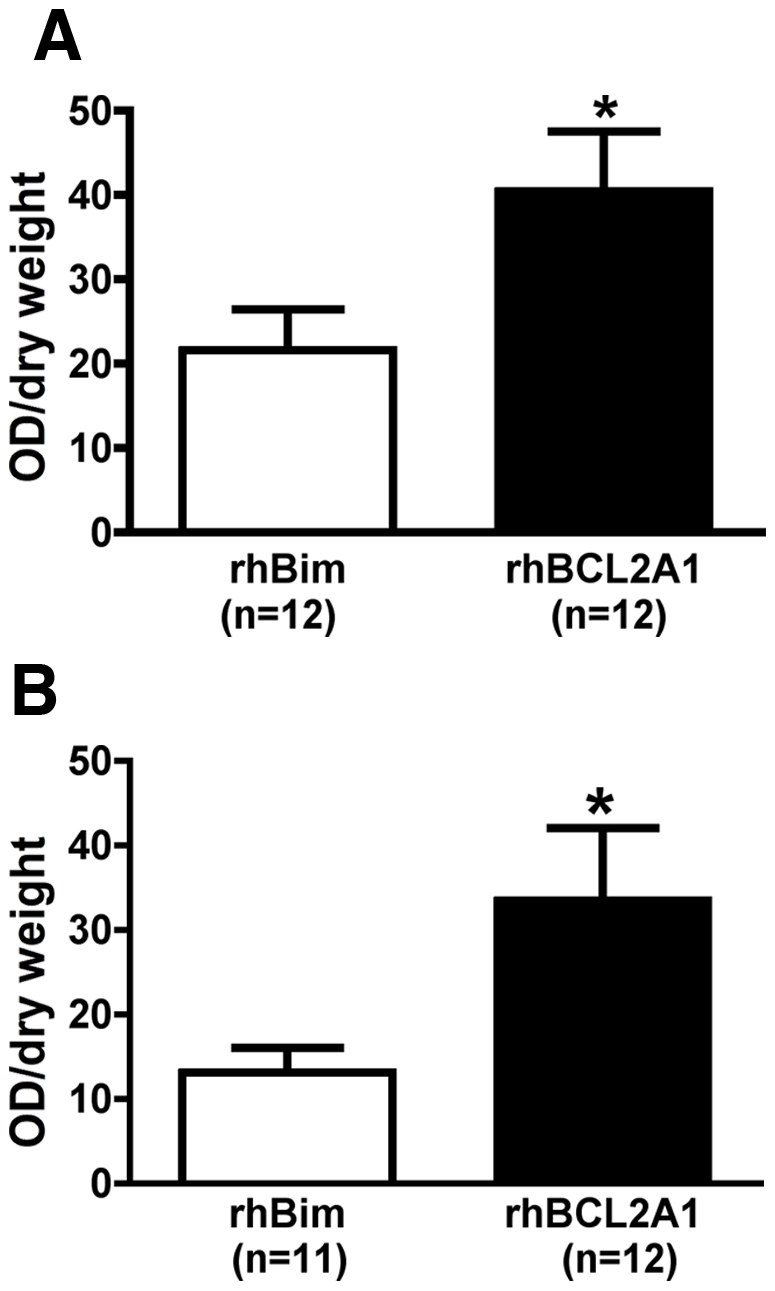
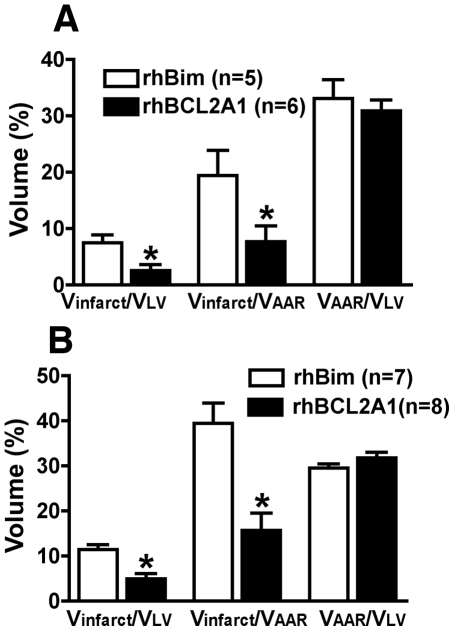
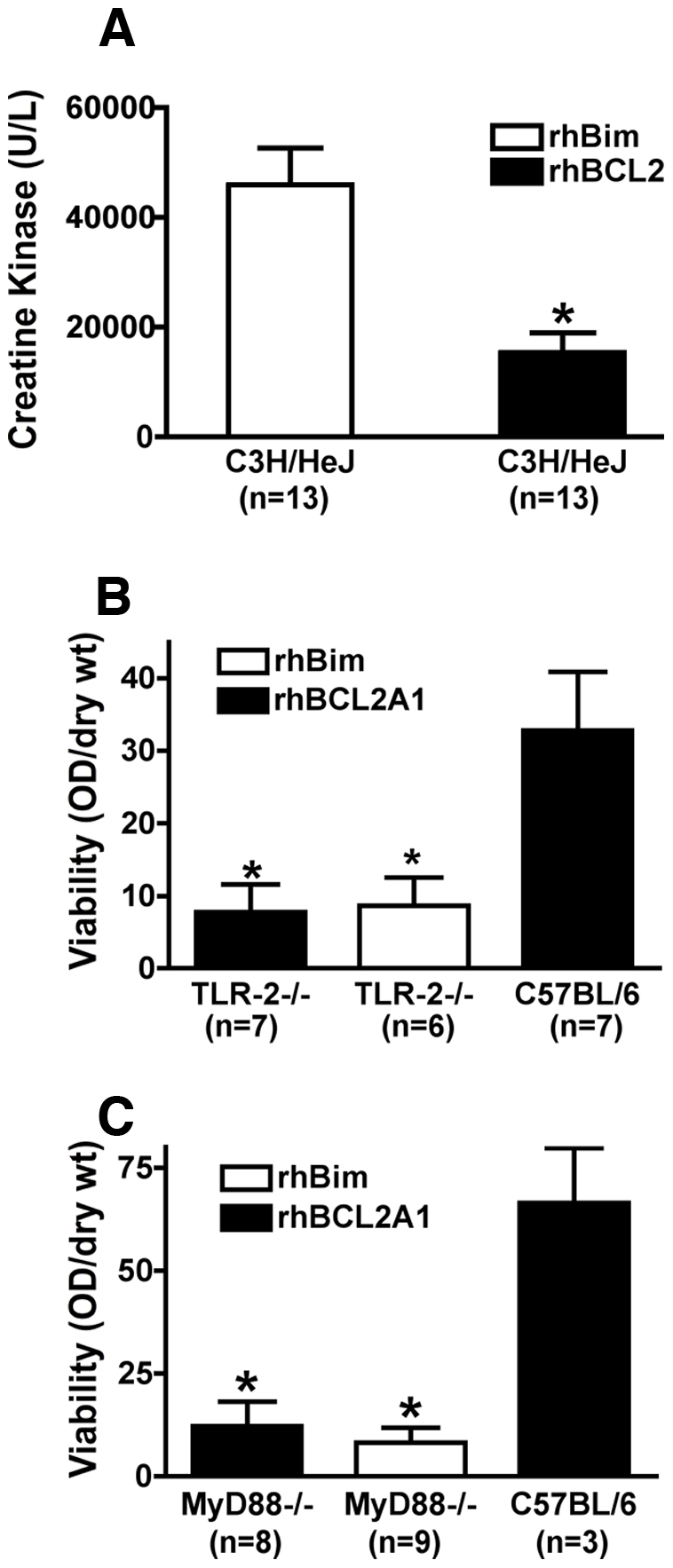
METHODOLOGY/PRINCIPAL FINDINGS: Ischemia was induced in the mouse hind limb by tourniquet or in the heart by coronary artery ligation. Reperfusion injury of skeletal or cardiac muscle was markedly reduced by intraperitoneal or subcutaneous injection of recombinant human (rh)BCL2 protein or rhBCL2-related protein A1 (BCL2A1) (50 ng/g) given prior to ischemia or at the time of reperfusion. The cytoprotective activity of extracellular rhBCL2 or rhBCL2A1 protein was mapped to the BH4 domain, as treatment with a mutant BCL2 protein lacking the BH4 domain was not protective, whereas peptides derived from the BH4 domain of BCL2 or the BH4-like domain of BCL2A1 were. Protection by extracellular rhBCL2 or rhBCL2A1 was associated with a reduction in apoptosis in skeletal and cardiac muscle following I/R, concomitant with increased expression of endogenous mouse BCL2 (mBCL2) protein. Notably, treatment with rhBCL2A1 protein did not protect mice deficient in toll-like receptor-2 (TLR2) or the adaptor protein, myeloid differentiation factor-88 (MyD88).
CONCLUSIONS/SIGNIFICANCE: Treatment with cytokine-like doses of rhBCL2 or rhBCL2A1 protein or BH4-domain peptides reduces apoptosis and tissue injury following I/R by a TLR2-MyD88-dependent mechanism. These findings establish a novel extracellular cytoprotective activity of BCL2 BH4-domain proteins as potent cytoprotective DAMPs.
缺血再灌注(I/R)损伤导致多种临床疾病中的器官功能障碍,包括心肌梗死、中风、器官移植和失血性休克。最近的研究表明,细胞凋亡是导致 I/R 后器官功能障碍的细胞死亡的重要机制。细胞死亡过程中释放的细胞内危险相关分子模式(DAMPs)可以通过与先天免疫系统的受体结合来激活细胞保护反应。
方法/主要发现:通过止血带或冠状动脉结扎在小鼠后肢诱导缺血,在心脏诱导缺血再灌注损伤。在缺血前或再灌注时给予重组人(rh)BCL2 蛋白或 rhBCL2 相关蛋白 A1(BCL2A1)(50ng/g)腹腔内或皮下注射,可显著减轻骨骼肌或心肌的再灌注损伤。细胞外 rhBCL2 或 rhBCL2A1 蛋白的细胞保护活性定位于 BH4 结构域,因为缺乏 BH4 结构域的突变 BCL2 蛋白治疗没有保护作用,而 BCL2 或 BCL2A1 的 BH4 结构域衍生肽则具有保护作用。细胞外 rhBCL2 或 rhBCL2A1 的保护作用与 I/R 后骨骼肌和心肌细胞凋亡减少有关,同时伴有内源性小鼠 BCL2(mBCL2)蛋白表达增加。值得注意的是,rhBCL2A1 蛋白治疗不能保护 TLR2 或衔接蛋白髓样分化因子 88(MyD88)缺陷的小鼠。
结论/意义:用细胞因子样剂量的 rhBCL2 或 rhBCL2A1 蛋白或 BH4 结构域肽治疗可通过 TLR2-MyD88 依赖性机制减少 I/R 后的细胞凋亡和组织损伤。这些发现确立了 BCL2 BH4 结构域蛋白作为新型细胞外细胞保护活性的潜在细胞保护 DAMPs。