Department of Physiology, University of Pennsylvania School of Medicine, Philadelphia, Pennsylvania, United States of America.
PLoS One. 2010 Feb 11;5(2):e9176. doi: 10.1371/journal.pone.0009176.
Myostatin inhibition is a promising therapeutic strategy to maintain muscle mass in a variety of disorders, including the muscular dystrophies, cachexia, and sarcopenia. Previously described approaches to blocking myostatin signaling include injection delivery of inhibitory propeptide domain or neutralizing antibodies.
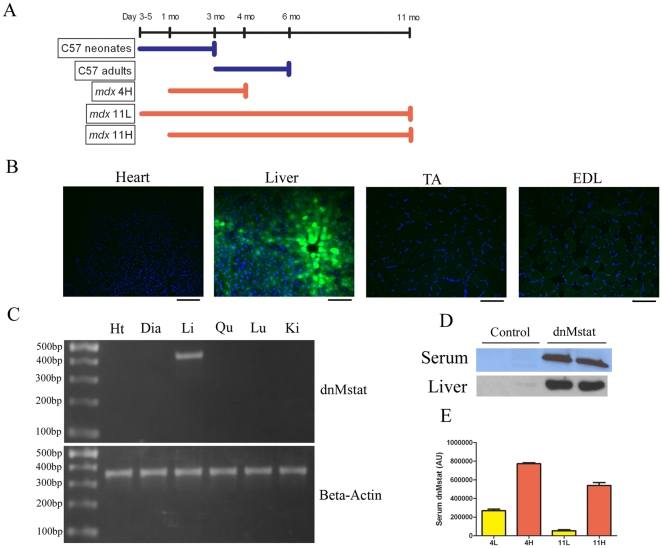
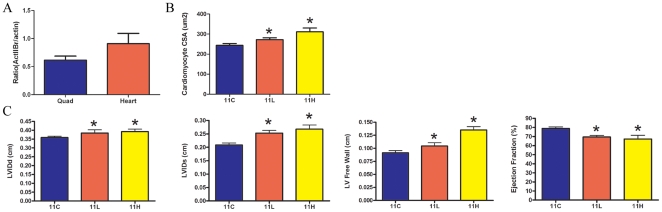
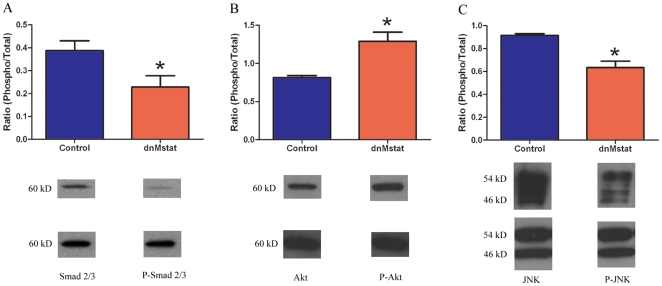
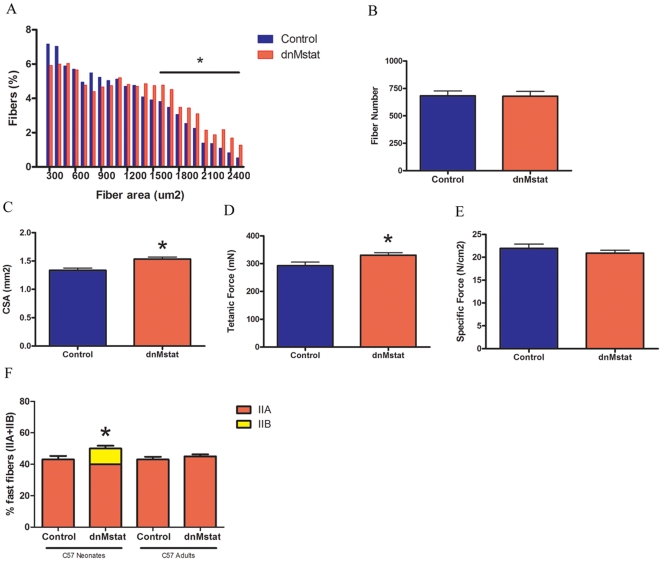
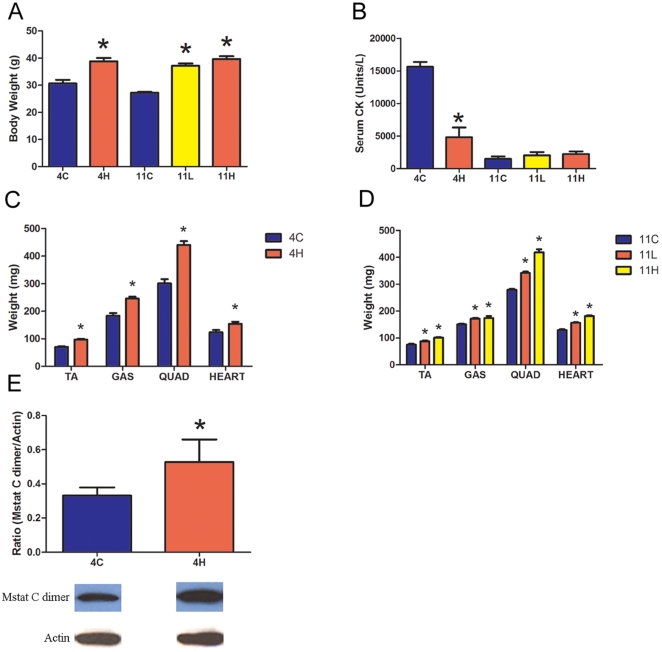
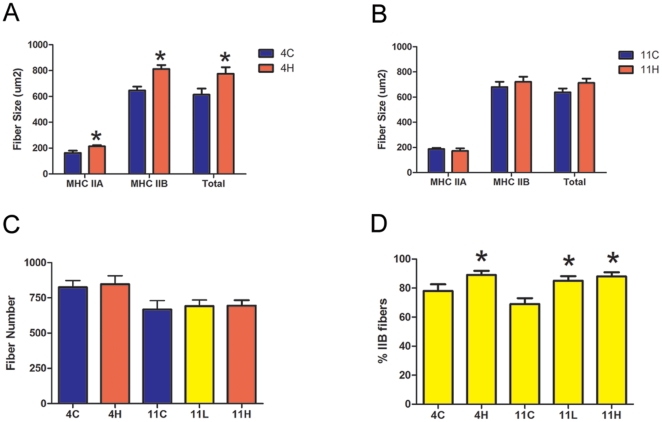
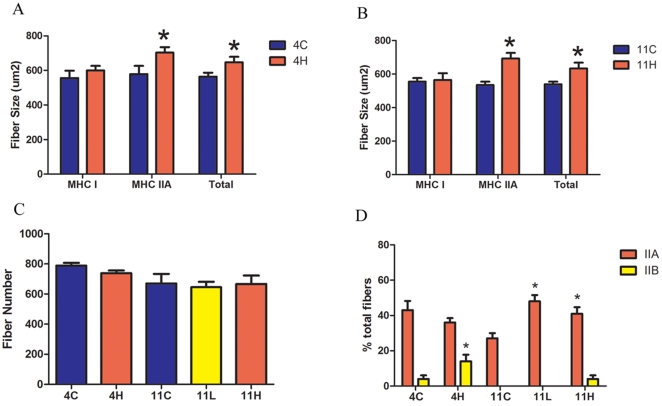
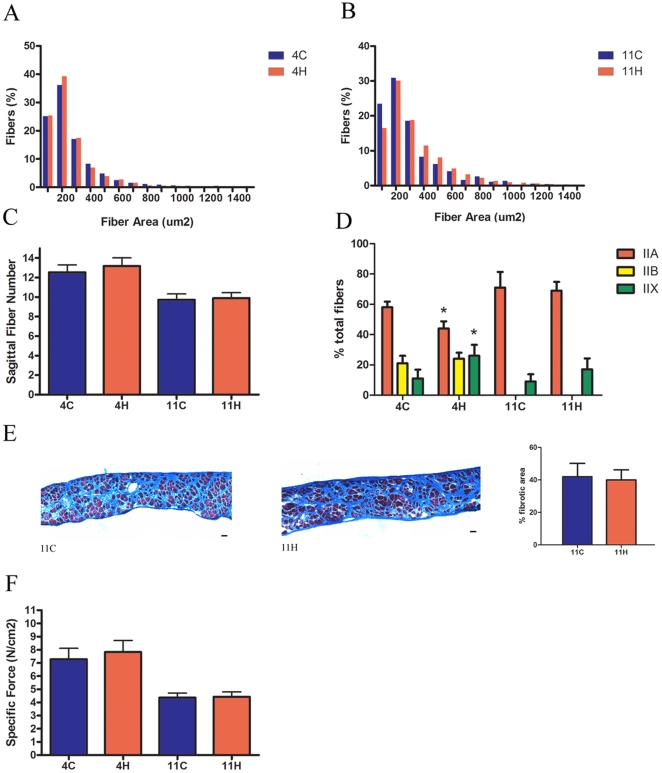
METHODOLOGY/PRINCIPAL FINDINGS: Here we describe a unique method of myostatin inhibition utilizing recombinant adeno-associated virus to overexpress a secretable dominant negative myostatin exclusively in the liver of mice. Systemic myostatin inhibition led to increased skeletal muscle mass and strength in control C57 Bl/6 mice and in the dystrophin-deficient mdx model of Duchenne muscular dystrophy. The mdx soleus, a mouse muscle more representative of human fiber type composition, demonstrated the most profound improvement in force production and a shift toward faster myosin-heavy chain isoforms. Unexpectedly, the 11-month-old mdx diaphragm was not rescued by long-term myostatin inhibition. Further, mdx mice treated for 11 months exhibited cardiac hypertrophy and impaired function in an inhibitor dose-dependent manner.
CONCLUSIONS/SIGNIFICANCE: Liver-targeted gene transfer of a myostatin inhibitor is a valuable tool for preclinical investigation of myostatin blockade and provides novel insights into the long-term effects and shortcomings of myostatin inhibition on striated muscle.
肌肉生长抑制素抑制是一种很有前途的治疗策略,可以维持多种疾病中的肌肉质量,包括肌肉营养不良、恶病质和肌肉减少症。先前描述的阻断肌肉生长抑制素信号的方法包括注射抑制前肽结构域或中和抗体。
方法/主要发现:在这里,我们描述了一种利用重组腺相关病毒在小鼠肝脏中过表达可分泌的显性负性肌肉生长抑制素的独特抑制方法。全身肌肉生长抑制素抑制导致对照 C57Bl/6 小鼠和杜兴氏肌肉营养不良症的肌营养不良蛋白缺陷型 mdx 模型中的骨骼肌质量和力量增加。mdx 比目鱼肌,一种更能代表人类纤维类型组成的小鼠肌肉,在产生力方面表现出最显著的改善,并向更快的肌球蛋白重链同工型转变。出乎意料的是,长期肌肉生长抑制素抑制并不能挽救 11 个月大的 mdx 横膈膜。此外,mdx 小鼠在 11 个月的治疗中表现出心脏肥大和功能障碍,呈抑制剂剂量依赖性。
结论/意义:肝脏靶向基因转移的肌肉生长抑制素抑制剂是肌肉生长抑制素阻断的临床前研究的有价值的工具,并为肌肉生长抑制素对横纹肌的长期影响和缺点提供了新的见解。