Cancer Biology Research Center, Tongji Hospital, Tongji Medical College, Huazhong University of Science and Technology, Hubei, China.
J Exp Med. 2010 Mar 15;207(3):505-20. doi: 10.1084/jem.20090397. Epub 2010 Feb 22.
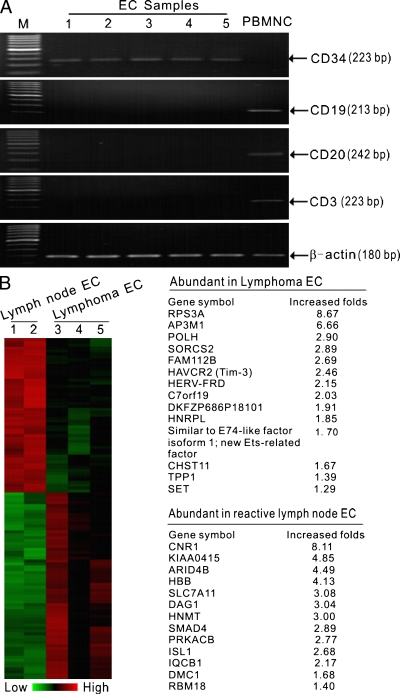
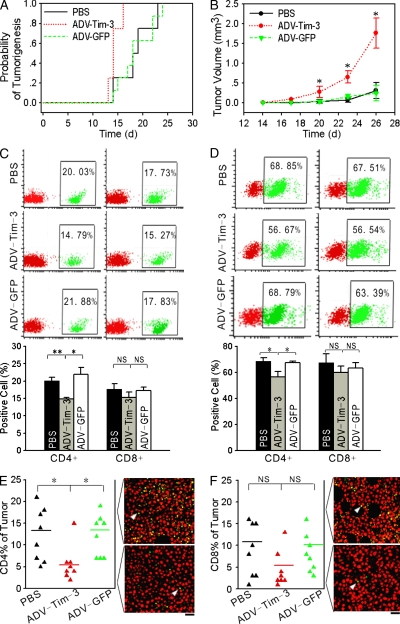
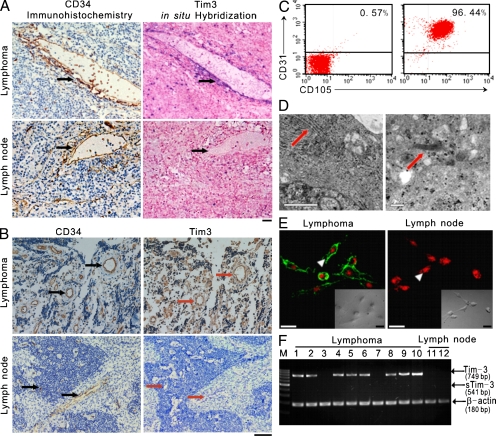
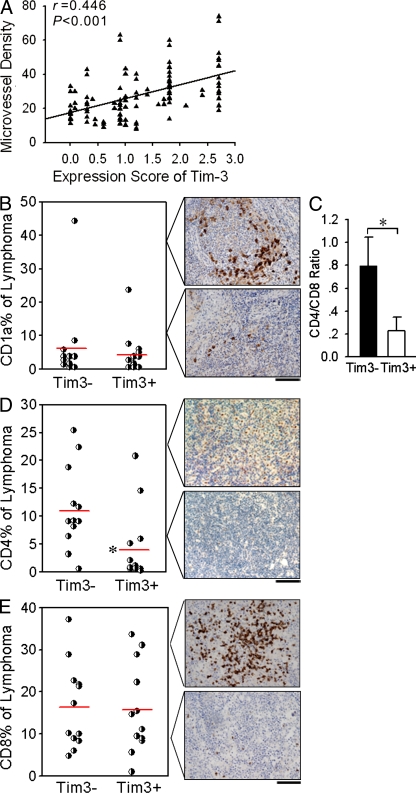
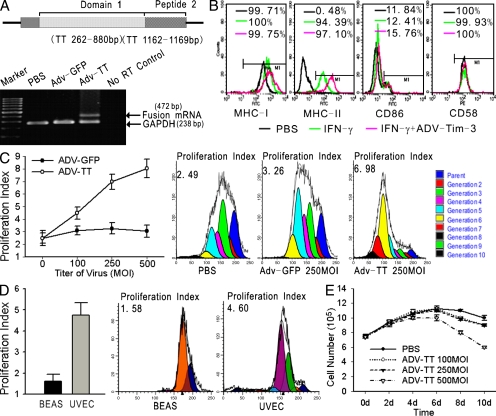
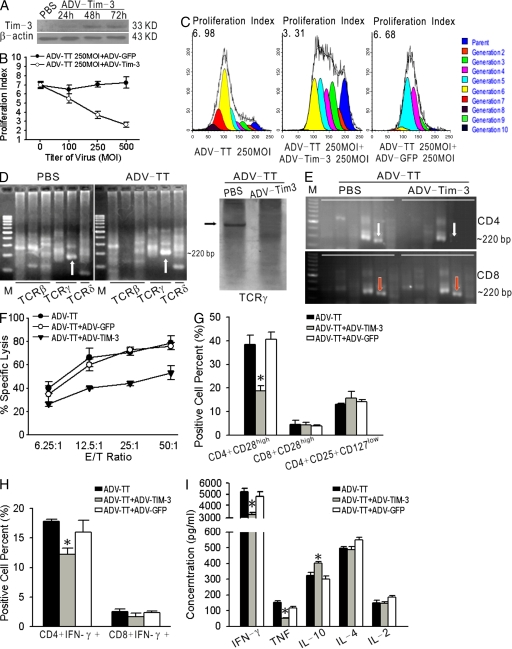
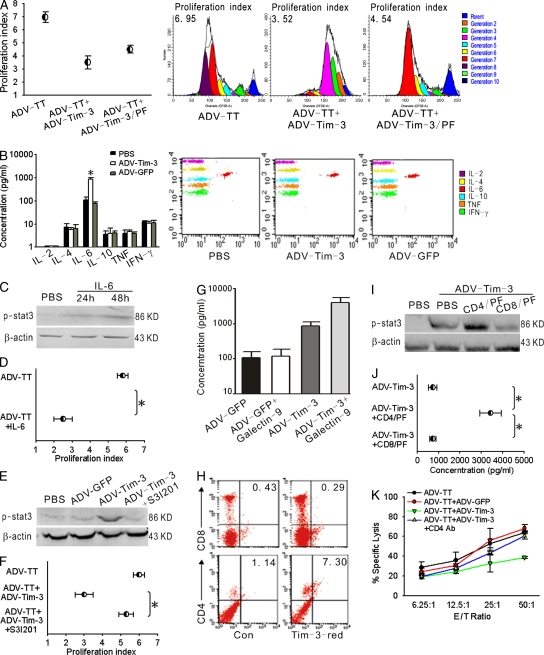
Angiogenesis is increasingly recognized as an important prognosticator associated with the progression of lymphoma and as an attractive target for novel modalities. We report a previously unrecognized mechanism by which lymphoma endothelium facilitates the growth and dissemination of lymphoma by interacting with circulated T cells and suppresses the activation of CD4(+) T cells. Global gene expression profiles of microdissected endothelium from lymphoma and reactive lymph nodes revealed that T cell immunoglobulin and mucin domain-containing molecule 3 (Tim-3) was preferentially expressed in lymphoma-derived endothelial cells (ECs). Clinically, the level of Tim-3 in B cell lymphoma endothelium was closely correlated to both dissemination and poor prognosis. In vitro, Tim-3(+) ECs modulated T cell response to lymphoma surrogate antigens by suppressing activation of CD4(+) T lymphocytes through the activation of the interleukin-6-STAT3 pathway, inhibiting Th1 polarization, and providing protective immunity. In a lymphoma mouse model, Tim-3-expressing ECs promoted the onset, growth, and dissemination of lymphoma by inhibiting activation of CD4(+) T cells and Th1 polarization. Our findings strongly argue that the lymphoma endothelium is not only a vessel system but also a functional barrier facilitating the establishment of lymphoma immune tolerance. These findings highlight a novel molecular mechanism that is a potential target for enhancing the efficacy of tumor immunotherapy and controlling metastatic diseases.
血管生成越来越被认为是与淋巴瘤进展相关的重要预后指标,也是新治疗方法的有吸引力的靶点。我们报告了一个以前未被认识到的机制,即淋巴瘤内皮细胞通过与循环 T 细胞相互作用促进淋巴瘤的生长和扩散,并抑制 CD4+T 细胞的激活。从淋巴瘤和反应性淋巴结中分离的内皮细胞的全基因表达谱显示,T 细胞免疫球蛋白和粘蛋白结构域 3(Tim-3)优先在淋巴瘤来源的内皮细胞(ECs)中表达。临床上,B 细胞淋巴瘤内皮细胞中 Tim-3 的水平与扩散和预后不良密切相关。在体外,Tim-3+ECs 通过激活白细胞介素 6-STAT3 途径抑制 CD4+T 淋巴细胞的激活,抑制 Th1 极化,并提供保护性免疫,从而调节 T 细胞对淋巴瘤替代抗原的反应。在淋巴瘤小鼠模型中,Tim-3 表达的 ECs 通过抑制 CD4+T 细胞的激活和 Th1 极化促进淋巴瘤的发生、生长和扩散。我们的研究结果强烈表明,淋巴瘤内皮细胞不仅是一个血管系统,而且是一个促进淋巴瘤免疫耐受的功能性屏障。这些发现强调了一个新的分子机制,它可能成为增强肿瘤免疫治疗效果和控制转移性疾病的潜在靶点。