SYGNIS Bioscience, Im Neuenheimer Feld 515, 69120 Heidelberg, Germany.
BMC Neurosci. 2010 Feb 23;11:25. doi: 10.1186/1471-2202-11-25.
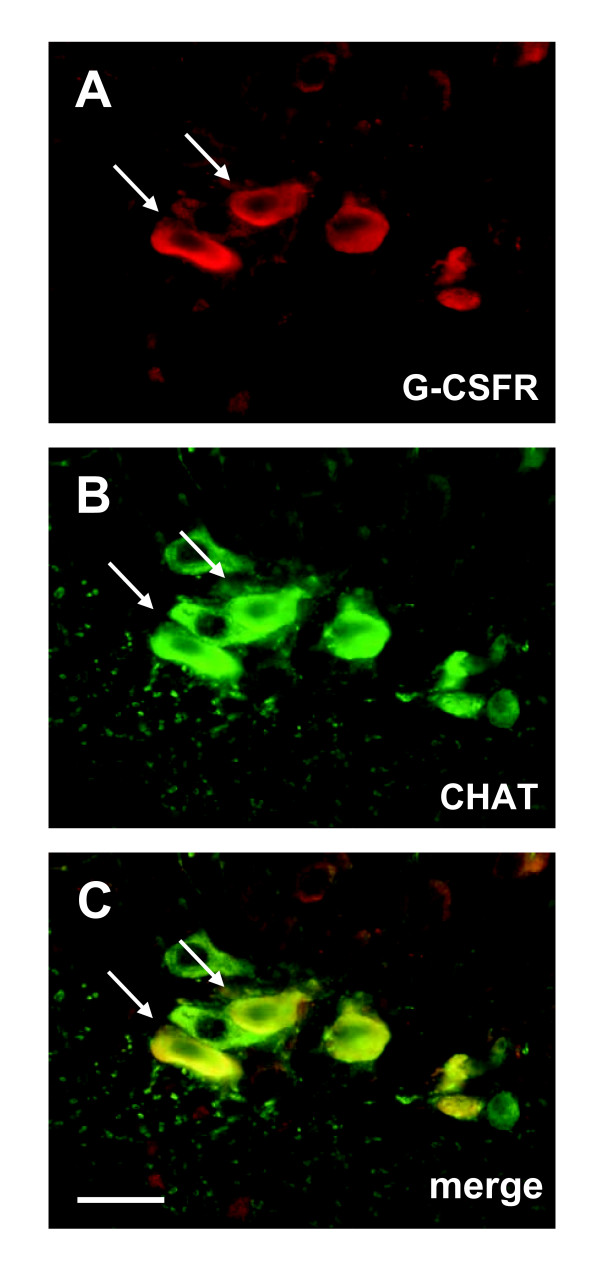
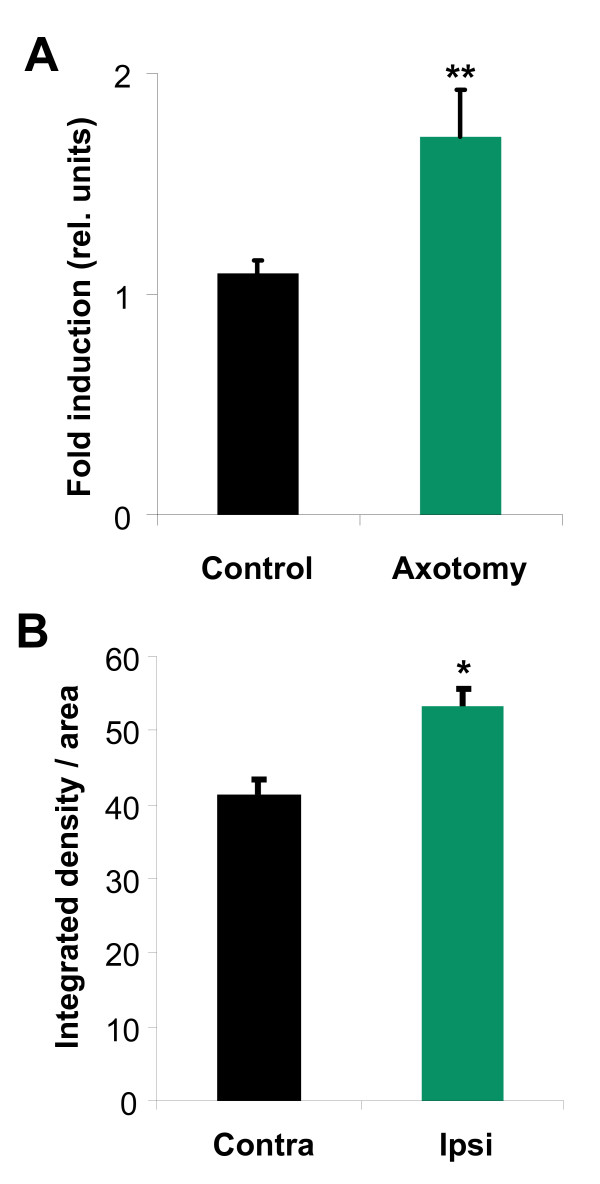
Granulocyte colony stimulating factor (G-CSF) is a growth factor essential for generation of neutrophilic granulocytes. Apart from this hematopoietic function, we have recently uncovered potent neuroprotective and regenerative properties of G-CSF in the central nervous system (CNS). The G-CSF receptor and G-CSF itself are expressed in alpha motoneurons, G-CSF protects motoneurons, and improves outcome in the SOD1(G93A) transgenic mouse model for amyotrophic lateral sclerosis (ALS). In vitro, G-CSF acts anti-apoptotically on motoneuronal cells. Due to the pleiotrophic effects of G-CSF and the complexity of the SOD1 transgenic ALS models it was however not possible to clearly distinguish between directly mediated anti-apoptotic and indirectly protective effects on motoneurons. Here we studied whether G-CSF is able to protect motoneurons from purely apoptotic cell death induced by a monocausal paradigm, neonatal sciatic nerve axotomy.
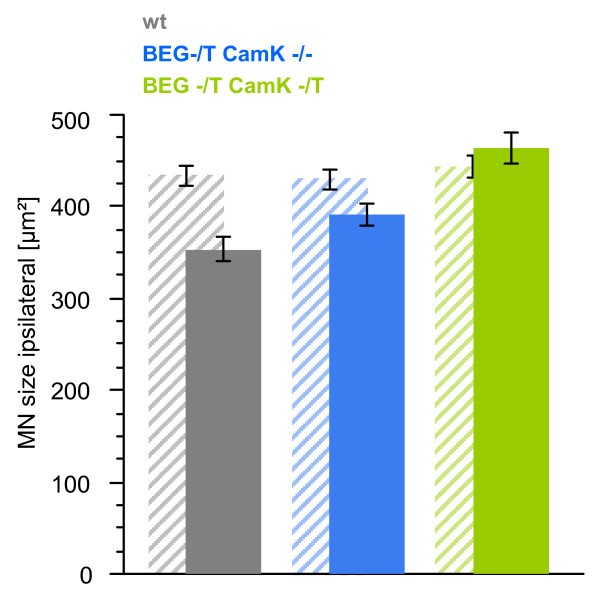
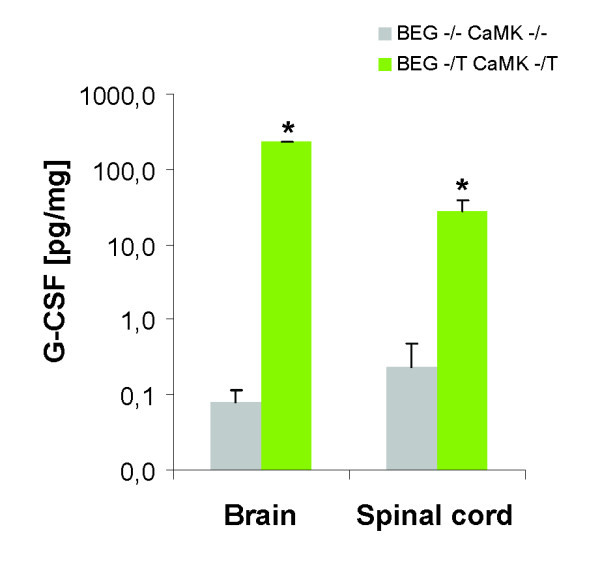
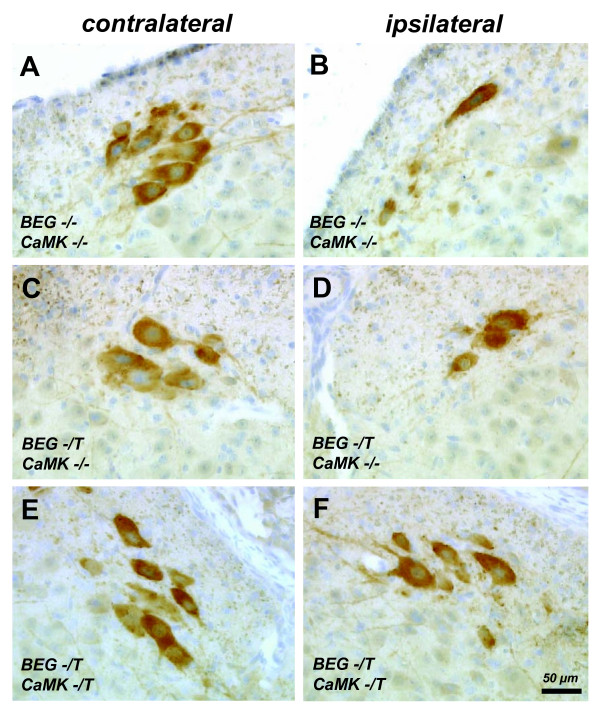
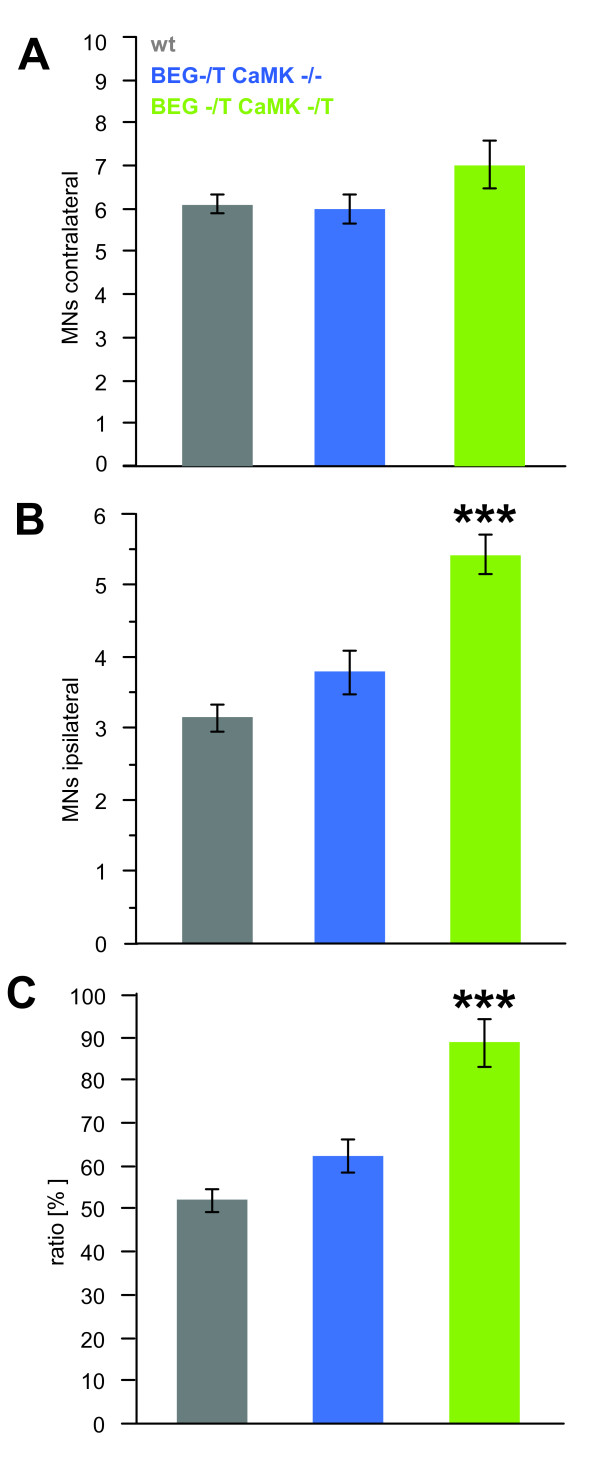
We performed sciatic nerve axotomy in neonatal mice overexpressing G-CSF in the CNS and found that G-CSF transgenic mice displayed significantly higher numbers of surviving lumbar motoneurons 4 days following axotomy than their littermate controls. Also, surviving motoneurons in G-CSF overexpressing animals were larger, suggesting additional trophic effects of this growth factor.
In this model of pure apoptotic cell death the protective effects of G-CSF indicate direct actions of G-CSF on motoneurons in vivo. This shows that G-CSF exerts potent anti-apoptotic activities towards motoneurons in vivo and suggests that the protection offered by G-CSF in ALS mouse models is due to its direct neuroprotective activity.
粒细胞集落刺激因子(G-CSF)是生成中性粒细胞所必需的生长因子。除了这种造血功能外,我们最近还在中枢神经系统(CNS)中发现了 G-CSF 的强大神经保护和再生特性。G-CSF 受体和 G-CSF 本身在α运动神经元中表达,G-CSF 保护运动神经元,并改善肌萎缩侧索硬化症(ALS)SOD1(G93A)转基因小鼠模型的预后。在体外,G-CSF 对运动神经元细胞具有抗凋亡作用。由于 G-CSF 的多效性作用和 SOD1 转基因 ALS 模型的复杂性,因此无法清楚地区分对运动神经元的直接介导的抗凋亡作用和间接保护作用。在这里,我们研究了 G-CSF 是否能够保护运动神经元免受单纯由单因素诱导的凋亡细胞死亡,即新生大鼠坐骨神经切断。
我们在 CNS 中过表达 G-CSF 的新生小鼠中进行了坐骨神经切断,并发现神经切断后 4 天,G-CSF 转基因小鼠的存活腰椎运动神经元数量明显高于其同窝对照。此外,在过表达 G-CSF 的动物中存活的运动神经元更大,表明这种生长因子具有额外的营养作用。
在这种单纯的凋亡细胞死亡模型中,G-CSF 的保护作用表明 G-CSF 对体内运动神经元的直接作用。这表明 G-CSF 在体内对运动神经元具有强大的抗凋亡活性,并提示 G-CSF 在 ALS 小鼠模型中提供的保护作用归因于其直接的神经保护活性。