Cedars-Sinai Heart Institute, 8700 Beverly Blvd., Los Angeles, CA 90048, USA.
Circ Res. 2010 Mar 5;106(4):674-85. doi: 10.1161/CIRCRESAHA.109.212936.
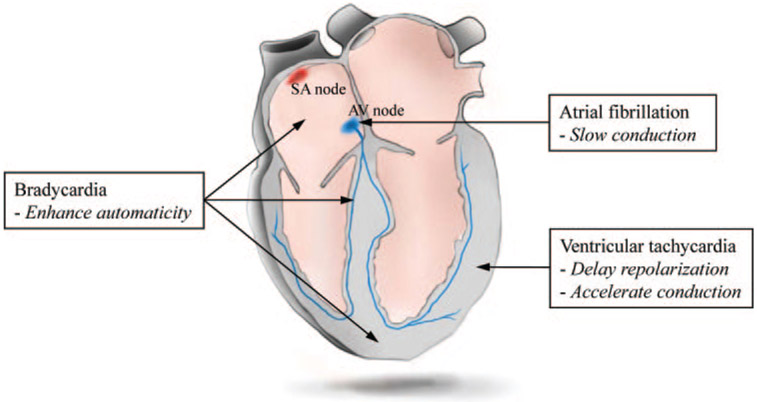
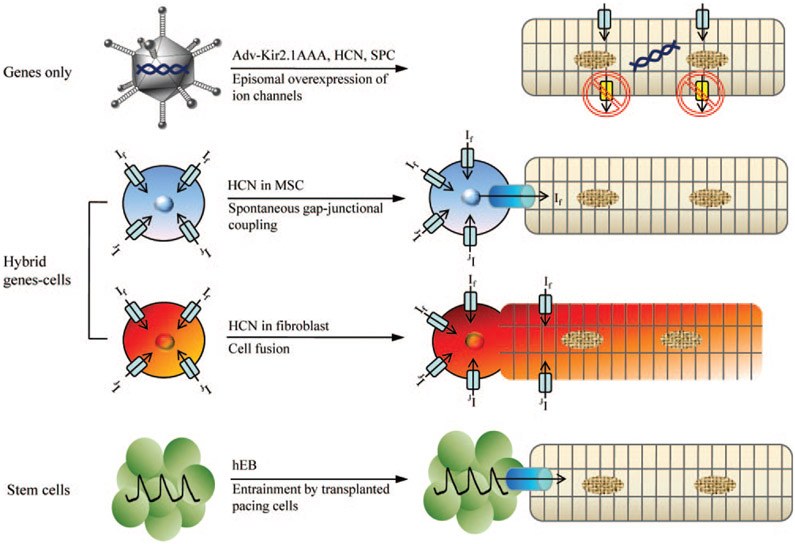
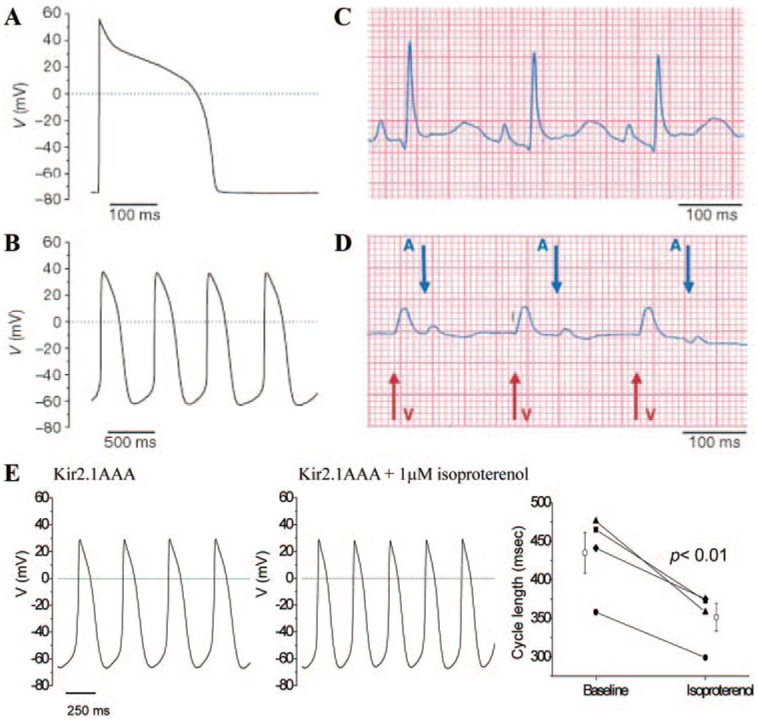
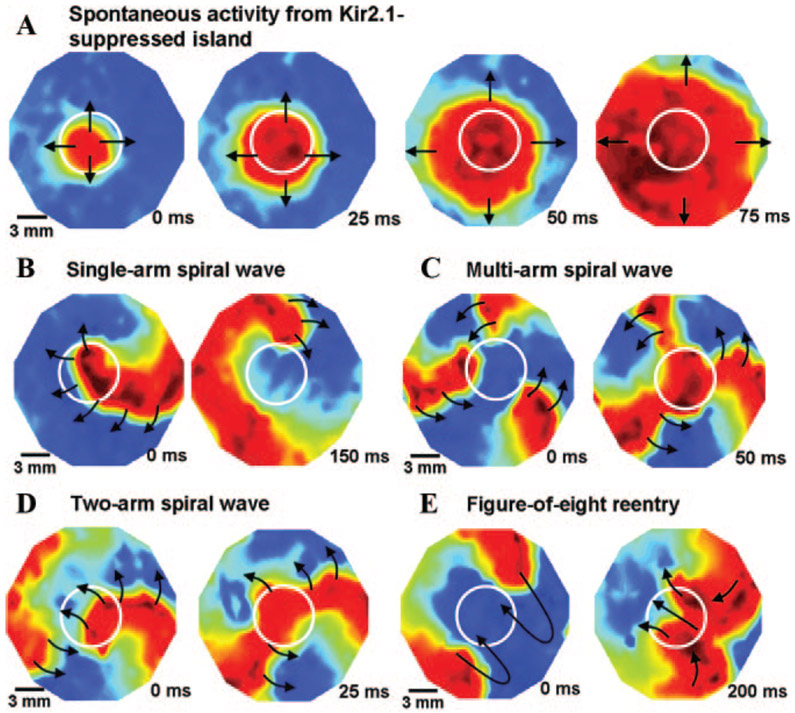
Cardiac rhythm disorders reflect failures of impulse generation and/or conduction. With the exception of ablation methods that yield selective endocardial destruction, present therapies are nonspecific and/or palliative. Progress in understanding the underlying biology opens up prospects for new alternatives. This article reviews the present state of the art in gene- and cell-based therapies to correct cardiac rhythm disturbances. We begin with the rationale for such approaches, briefly discuss efforts to address aspects of tachyarrhythmia, and review advances in creating a biological pacemaker to cure bradyarrhythmia. Insights gained bring the field closer to a paradigm shift away from devices and drugs, and toward biologics, in the treatment of rhythm disorders.
心律失常反映了冲动产生和/或传导的失败。除了导致选择性心内膜破坏的消融方法外,目前的治疗方法是非特异性和/或姑息性的。对基础生物学的深入了解为新的替代方法开辟了前景。本文综述了基因和细胞治疗纠正心律失常的最新进展。我们首先讨论了这种方法的基本原理,简要讨论了治疗快速性心律失常的努力,并回顾了创建生物起搏器治疗缓慢性心律失常的进展。所获得的见解使该领域更接近于远离器械和药物,转向生物制剂治疗节律障碍的范式转变。