Department of Molecular Biology, Department of Hematology and Institute of Clinical Medicine, Aarhus University, Aarhus, Denmark.
J Transl Med. 2010 Mar 9;8:24. doi: 10.1186/1479-5876-8-24.
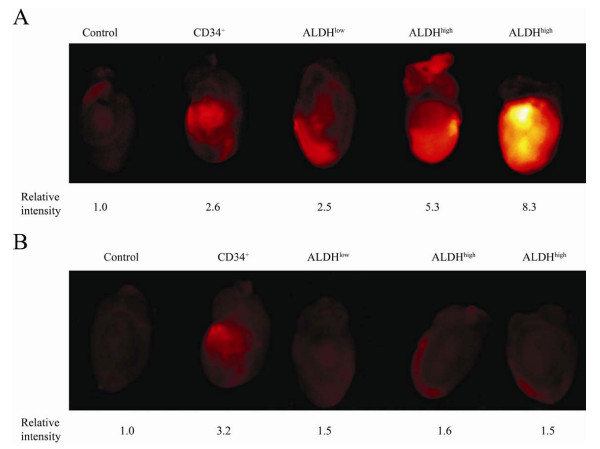
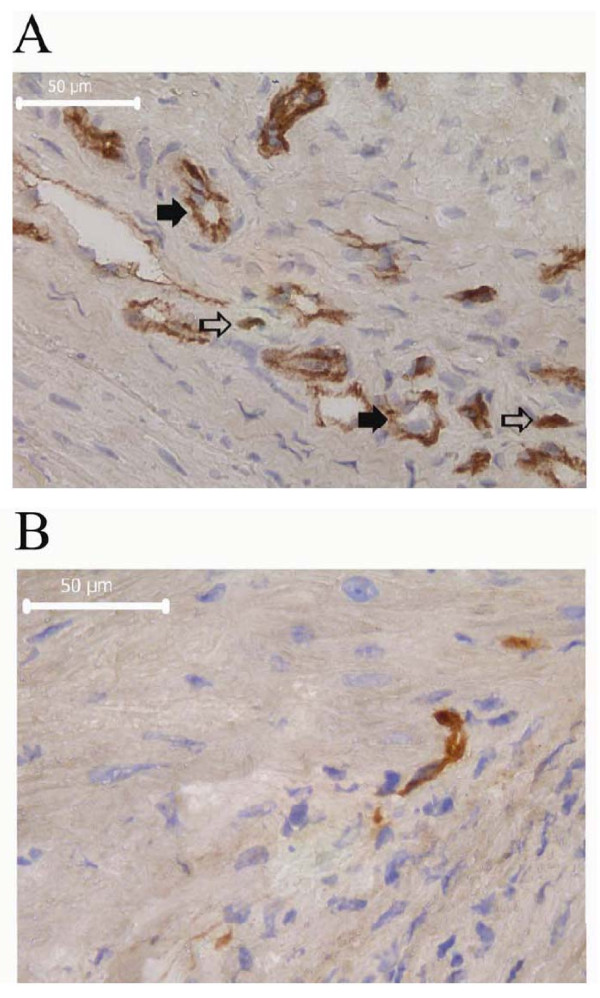
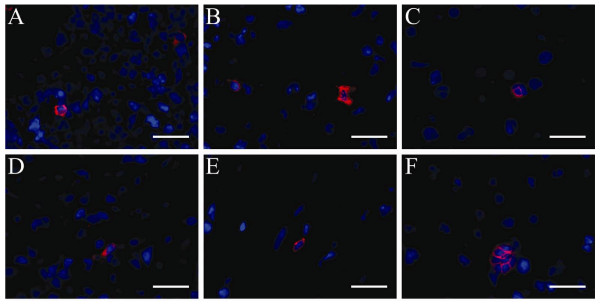
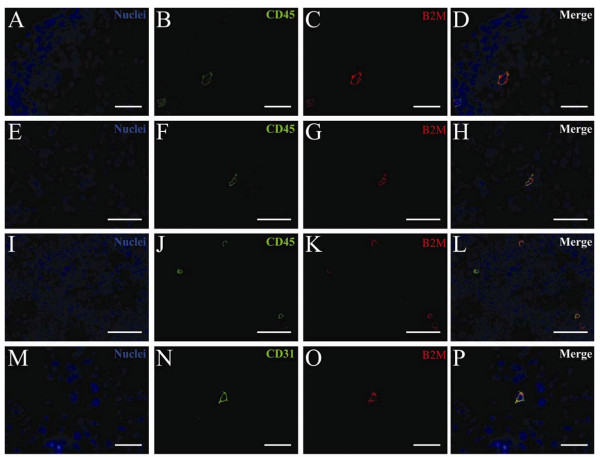
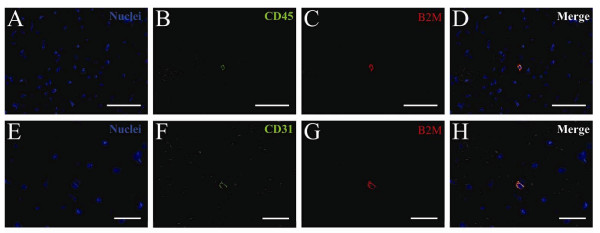
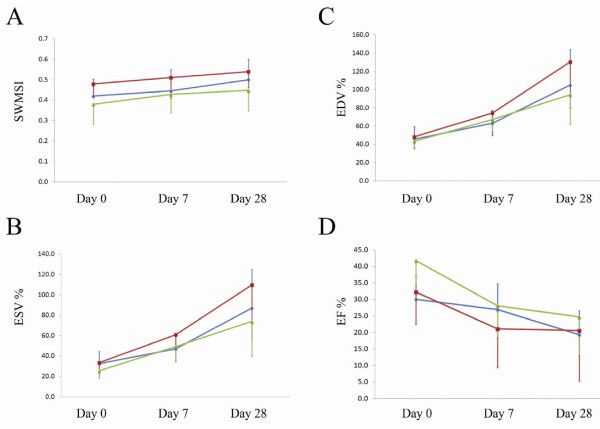
Human stem cells from adult sources have been shown to contribute to the regeneration of muscle, liver, heart, and vasculature. The mechanisms by which this is accomplished are, however, still not well understood. We tested the engraftment and regenerative potential of human umbilical cord blood-derived ALDH(hi)Lin(-), and ALDH(lo)Lin(-) cells following transplantation to NOD/SCID or NOD/SCID beta2m null mice with experimentally induced acute myocardial infarction. We used combined nanoparticle labeling and whole organ fluorescent imaging to detect human cells in multiple organs 48 hours post transplantation. Engraftment and regenerative effects of cell treatment were assessed four weeks post transplantation. We found that ALDH(hi)Lin(-) stem cells specifically located to the site of injury 48 hours post transplantation and engrafted the infarcted heart at higher frequencies than ALDH(lo)Lin(-) committed progenitor cells four weeks post transplantation. We found no donor derived cardiomyocytes and few endothelial cells of donor origin. Cell treatment was not associated with any detectable functional improvement at the four week endpoint. There was, however, a significant increase in vascular density in the central infarct zone of ALDH(hi)Lin(-) cell-treated mice, as compared to PBS and ALDH(lo)Lin(-) cell-treated mice.
Our data indicate that adult human stem cells do not become a significant part of the regenerating tissue, but rapidly home to and persist only temporarily at the site of hypoxic injury to exert trophic effects on tissue repair thereby enhancing vascular recovery.
已经证明,来自成人来源的人类干细胞有助于肌肉、肝脏、心脏和脉管系统的再生。然而,实现这一目标的机制仍未得到很好的理解。我们在实验诱导的急性心肌梗死的 NOD/SCID 或 NOD/SCID beta2m 缺失小鼠中测试了人脐带血衍生的 ALDH(hi)Lin(-)和 ALDH(lo)Lin(-)细胞移植后的植入和再生潜力。我们使用联合纳米颗粒标记和全器官荧光成像来检测移植后 48 小时多个器官中的人类细胞。移植后 4 周评估细胞治疗的植入和再生效果。我们发现,ALDH(hi)Lin(-)干细胞在移植后 48 小时特异性定位于损伤部位,并以高于 ALDH(lo)Lin(-)定向祖细胞的频率在梗死心脏中植入。我们没有发现供体来源的心肌细胞和少量供体来源的内皮细胞。细胞治疗在 4 周终点时与任何可检测到的功能改善无关。然而,与 PBS 和 ALDH(lo)Lin(-)细胞治疗的小鼠相比,ALDH(hi)Lin(-)细胞治疗的小鼠中心梗死区的血管密度显著增加。
我们的数据表明,成人人类干细胞不会成为再生组织的重要组成部分,而是迅速归巢并仅在缺氧损伤部位短暂存在,对组织修复发挥营养作用,从而增强血管恢复。