Department of Cell Biology, University of Massachusetts Medical School, Worcester, Massachusetts 01655, USA.
J Cell Physiol. 2010 Jun;223(3):667-78. doi: 10.1002/jcp.22072.
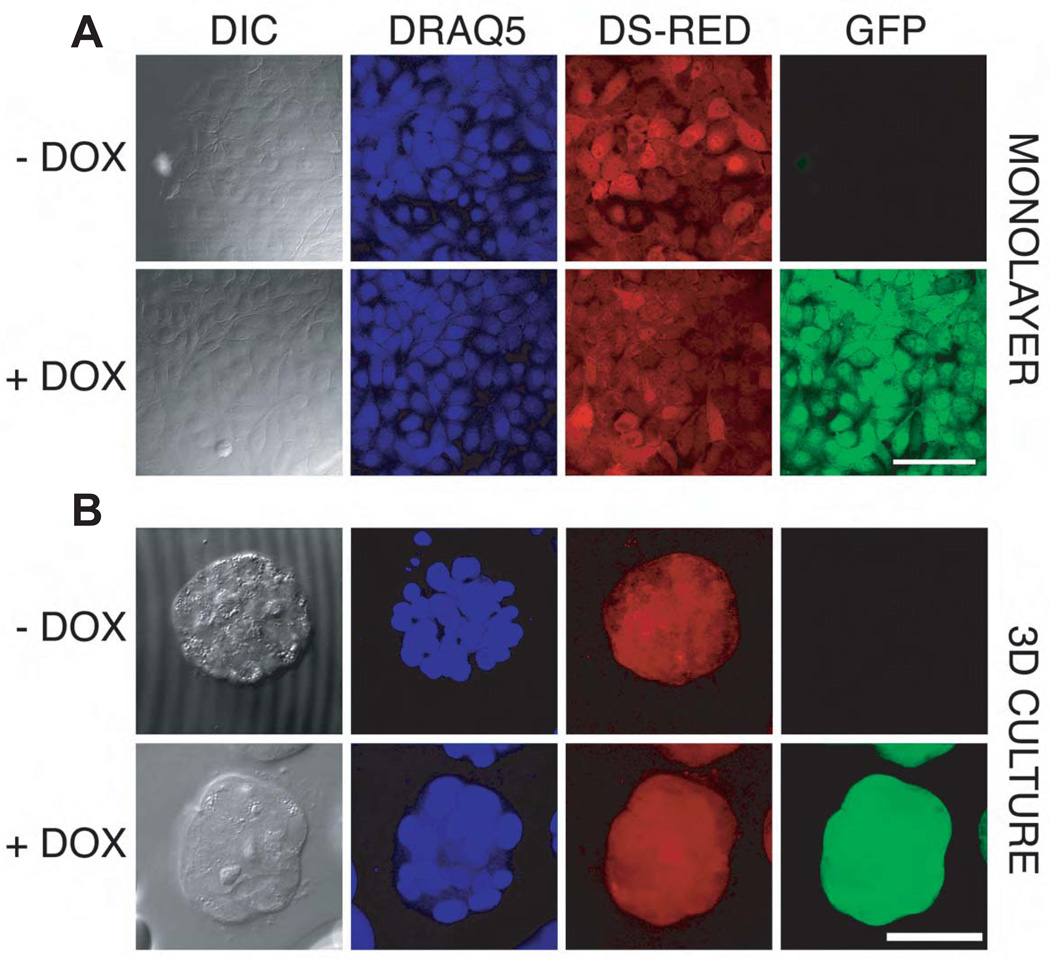
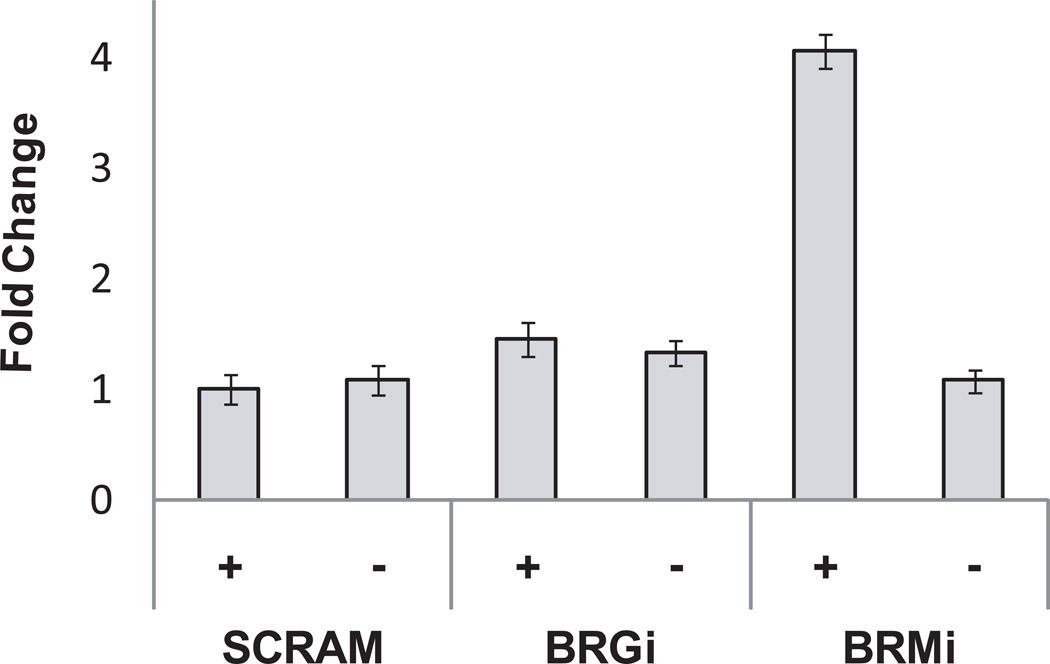
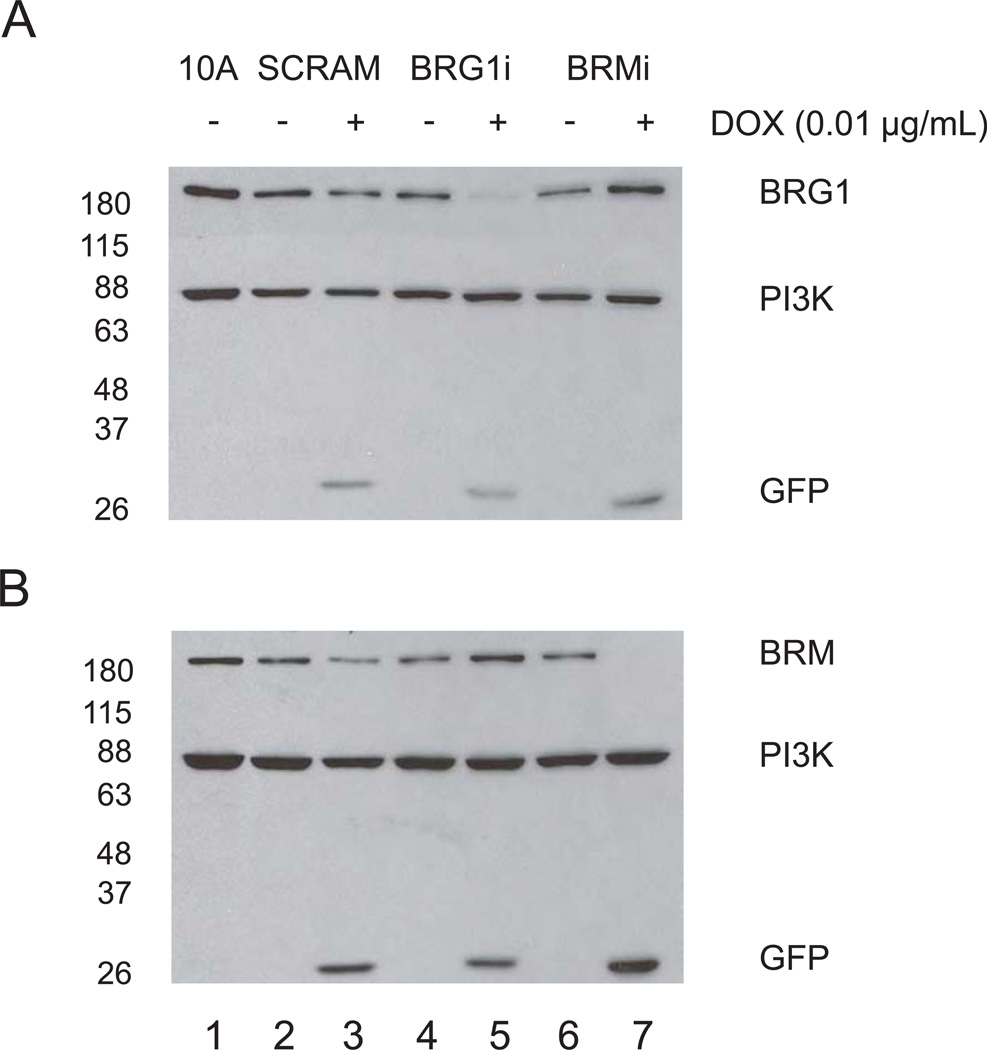
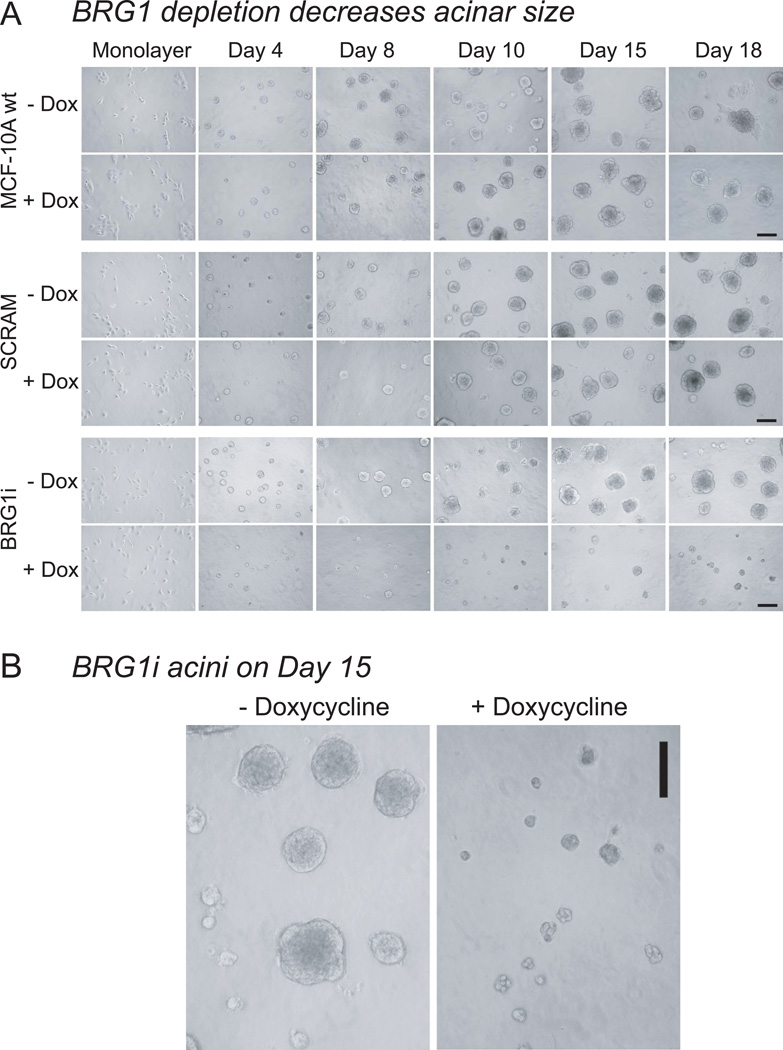
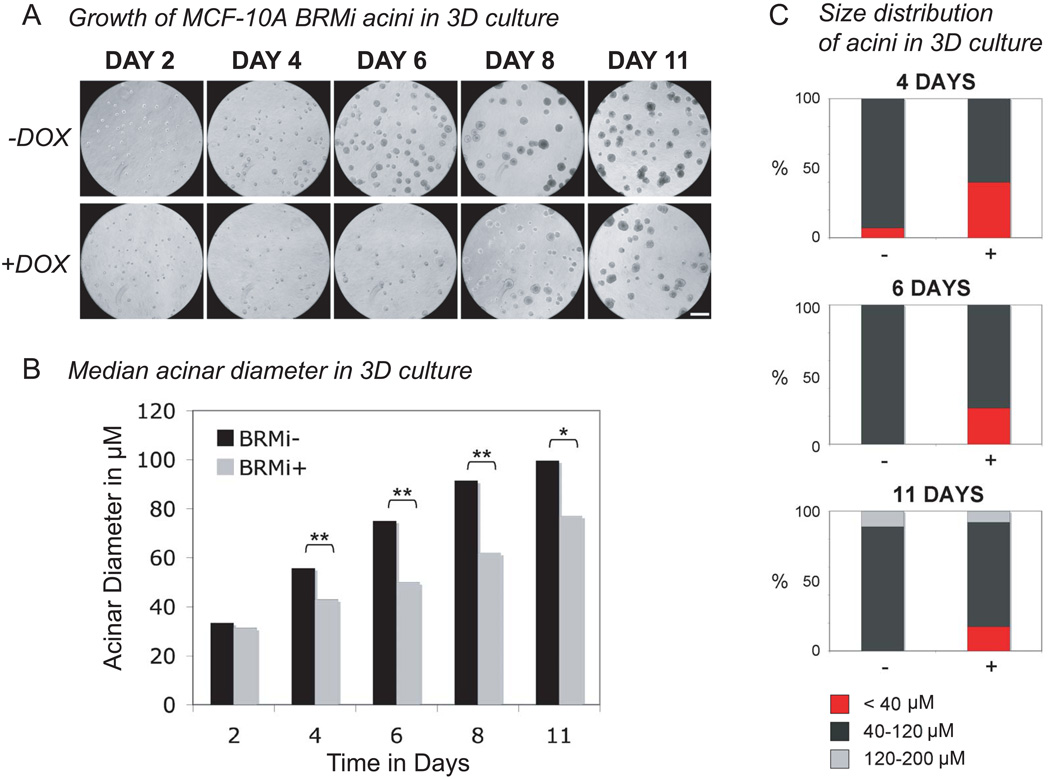
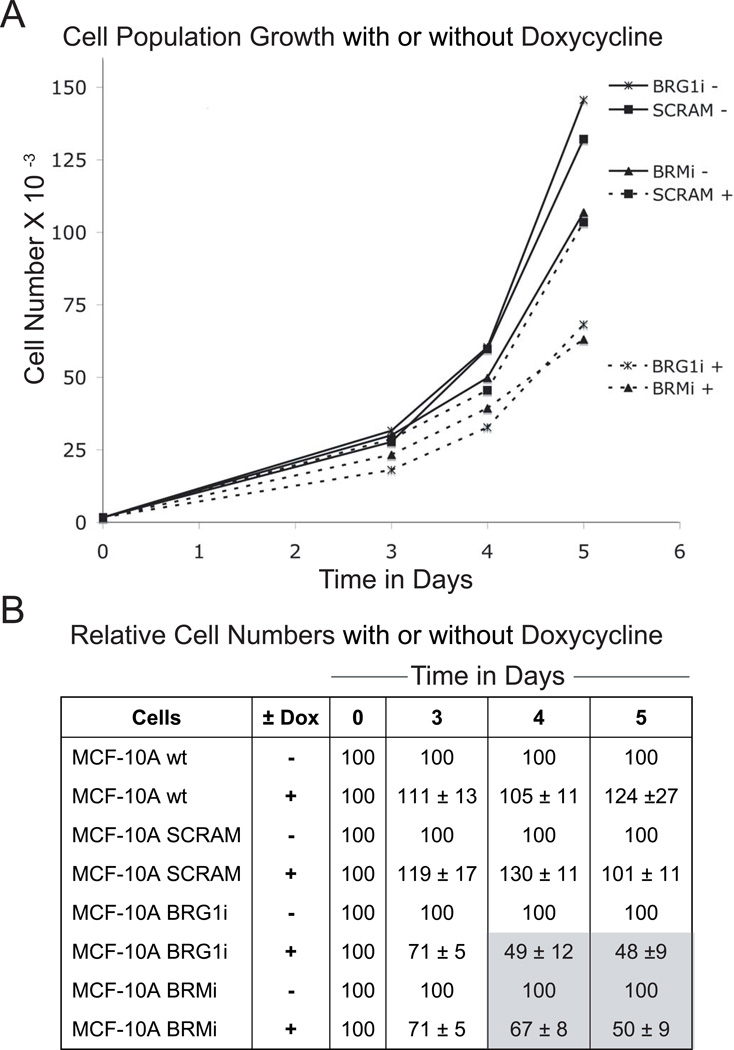
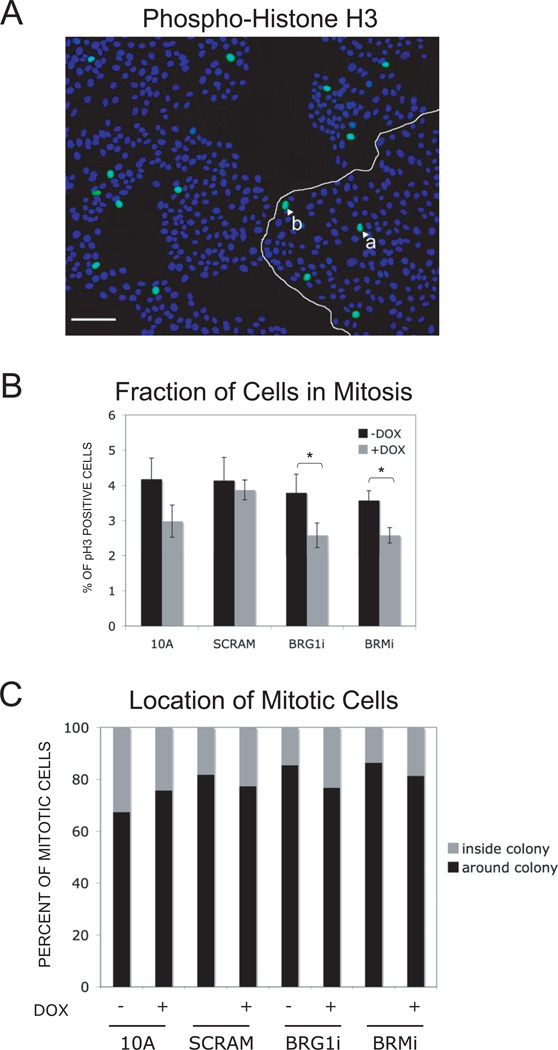
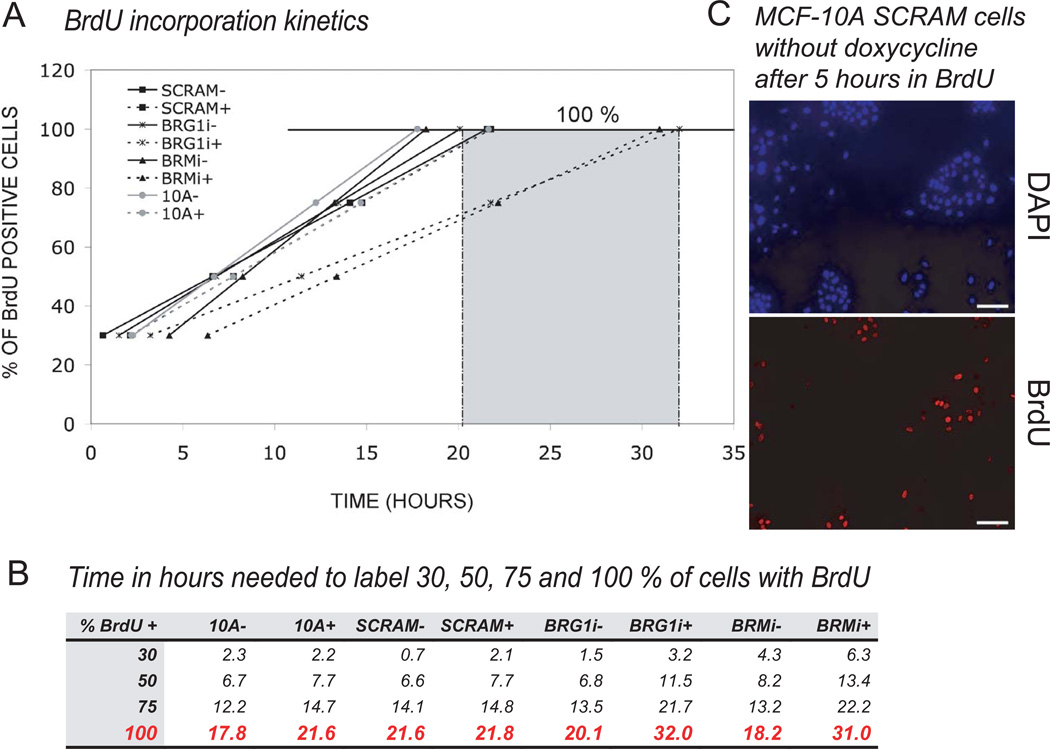
The ATPase subunits of the SWI/SNF chromatin remodeling enzymes, Brahma (BRM) and Brahma-related gene 1 (BRG1), can induce cell cycle arrest in BRM and BRG1 deficient tumor cell lines, and mice heterozygous for Brg1 are pre-disposed to breast tumors, implicating loss of BRG1 as a mechanism for unregulated cell proliferation. To test the hypothesis that loss of BRG1 can contribute to breast cancer, we utilized RNA interference to reduce the amounts of BRM or BRG1 protein in the nonmalignant mammary epithelial cell line, MCF-10A. When grown in reconstituted basement membrane (rBM), these cells develop into acini that resemble the lobes of normal breast tissue. Contrary to expectations, knockdown of either BRM or BRG1 resulted in an inhibition of cell proliferation in monolayer cultures. This inhibition was strikingly enhanced in three-dimensional rBM culture, although some BRM-depleted cells were later able to resume proliferation. Cells did not arrest in any specific stage of the cell cycle; instead, the cell cycle length increased by approximately 50%. Thus, SWI/SNF ATPases promote cell cycle progression in nonmalignant mammary epithelial cells.
SWI/SNF 染色质重塑酶的 ATP 酶亚基,Brahma(BRM)和 Brahma 相关基因 1(BRG1),可以诱导 BRM 和 BRG1 缺陷的肿瘤细胞系发生细胞周期停滞,并且 Brg1 杂合子的小鼠易患乳腺癌,这表明 BRG1 的缺失是不受调节的细胞增殖的机制。为了测试 BRG1 的缺失是否会导致乳腺癌的假说,我们利用 RNA 干扰技术降低非恶性乳腺上皮细胞系 MCF-10A 中 BRM 或 BRG1 蛋白的含量。当在重建的基底膜(rBM)中生长时,这些细胞会发育成类似于正常乳腺组织叶的小泡。出乎意料的是,敲低 BRM 或 BRG1 都会导致单层培养中的细胞增殖受到抑制。这种抑制在三维 rBM 培养中得到了显著增强,尽管一些 BRM 耗尽的细胞后来能够恢复增殖。细胞并没有在细胞周期的任何特定阶段停滞;相反,细胞周期长度增加了约 50%。因此,SWI/SNF ATP 酶在非恶性乳腺上皮细胞中促进细胞周期进程。