Division of Rheumatic Diseases, Department of Medicine, University Hospitals Case Medical Center, Case Western Reserve University School of Medicine, Cleveland, OH 44106, USA.
Mediators Inflamm. 2009;2009:698769. doi: 10.1155/2009/698769. Epub 2010 Mar 18.
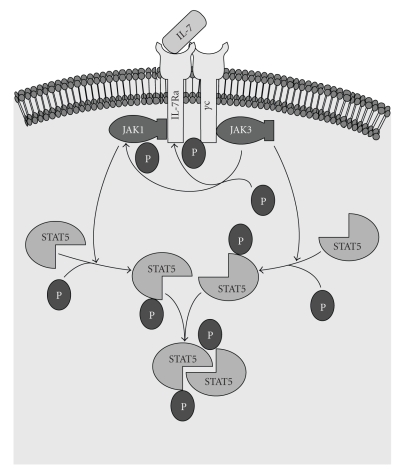
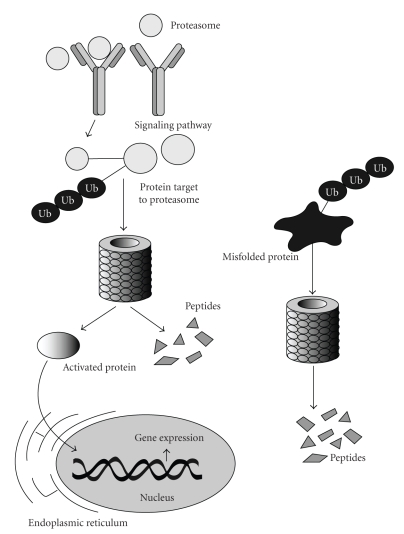
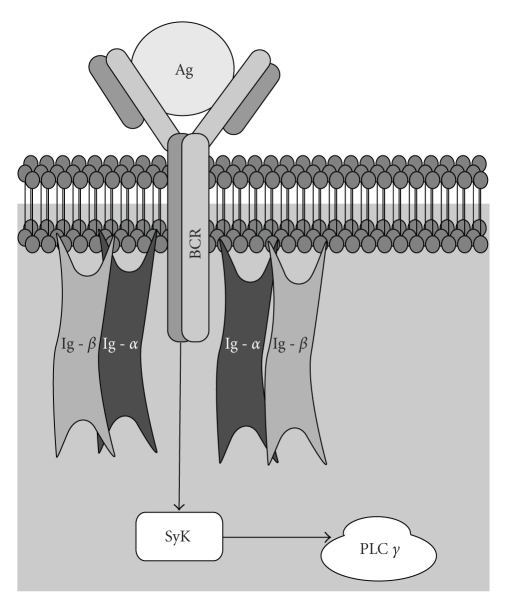
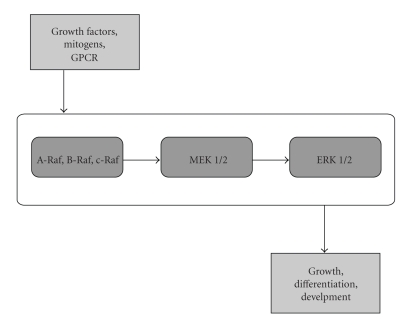
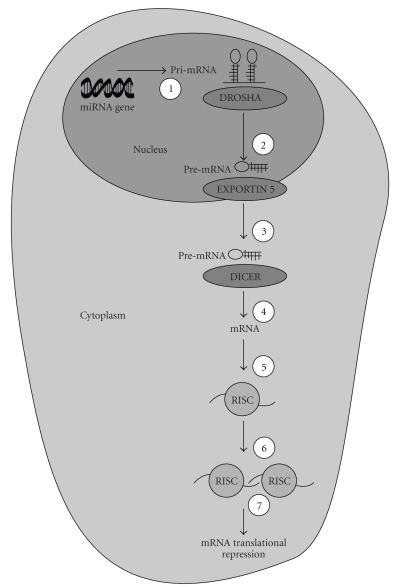
Conventional and biologic disease-modifying antirheumatic drugs have revolutionized the medical therapy of inflammatory arthritis. However, it remains unclear as to what can be done to treat immune-mediated chronic inflammation after patients become refractory to these therapies or develop serious side-effects and/or infections forcing drug withdrawal. Because of these concerns it is imperative that novel targets be continuously identified and experimental strategies designed to test potential arthritis interventions in vitro, but more importantly, in well-validated animal models of inflammatory arthritis. Over the past few years, sphingosine-1-phosphate, interleukin-7 receptor, spleen tyrosine kinase, extracellular signal-regulated kinase, mitogen-activated protein kinase 5/p38 kinase regulated/activated protein kinase, micro-RNAs, tumor necrosis factor-related apoptosis inducing ligand and the polyubiquitin-proteasome pathway were identified as promising novel targets for potential antiarthritis drug development. Indeed several experimental compounds alter the biological activity of these targets and have shown clinical efficacy in animal models of arthritis. A few of them have even entered the first phase of human clinical trials.
传统和生物疾病修饰抗风湿药物彻底改变了炎症性关节炎的医学治疗方法。然而,目前尚不清楚在患者对这些治疗方法产生抗药性或出现严重副作用和/或感染而被迫停药后,如何治疗免疫介导的慢性炎症。由于这些担忧,不断识别新的靶点并设计实验策略以在体外但更重要的是在经过充分验证的炎症性关节炎动物模型中测试潜在的关节炎干预措施是至关重要的。在过去的几年中,鞘氨醇-1-磷酸、白细胞介素-7 受体、脾酪氨酸激酶、细胞外信号调节激酶、丝裂原激活蛋白激酶 5/p38 激酶调节/激活蛋白激酶、微小 RNA、肿瘤坏死因子相关凋亡诱导配体和多聚泛素-蛋白酶体途径被确定为有希望的新靶点用于潜在的抗关节炎药物开发。事实上,几种实验化合物改变了这些靶点的生物学活性,并在关节炎动物模型中显示出临床疗效。其中一些甚至已经进入了人体临床试验的第一阶段。