Golby Neurosurgical Brain Mapping Laboratory, Departments of Neurosurgery and Radiology, Brigham and Women's Hospital, Harvard Medical School, Boston, MA, USA.
Brain Cogn. 2010 Jul;73(2):85-92. doi: 10.1016/j.bandc.2010.03.004. Epub 2010 Apr 7.
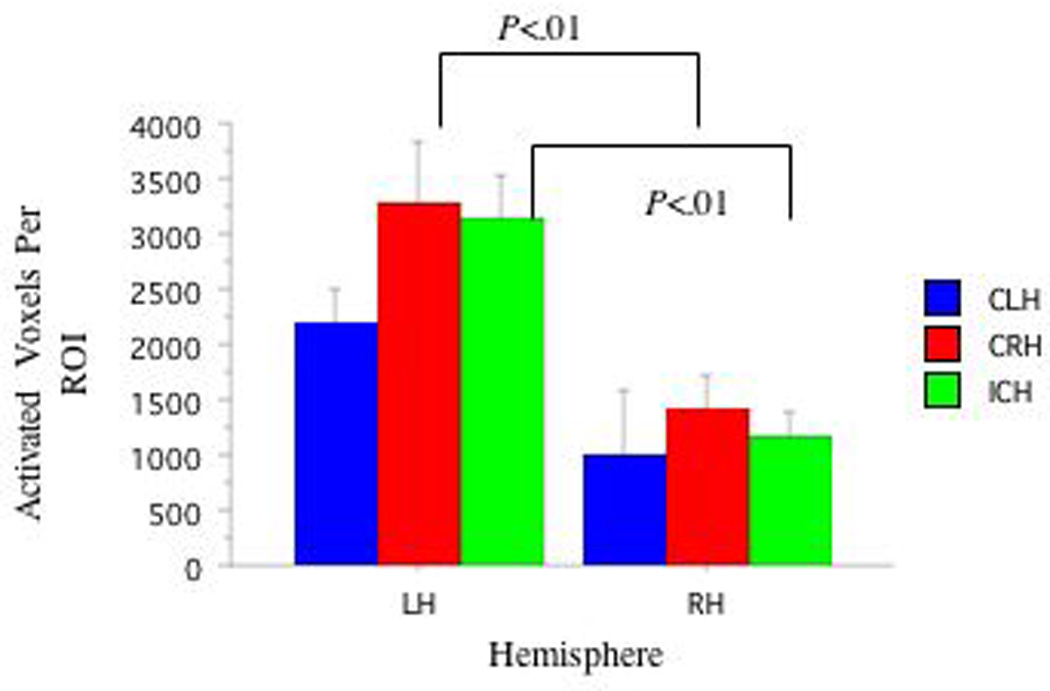
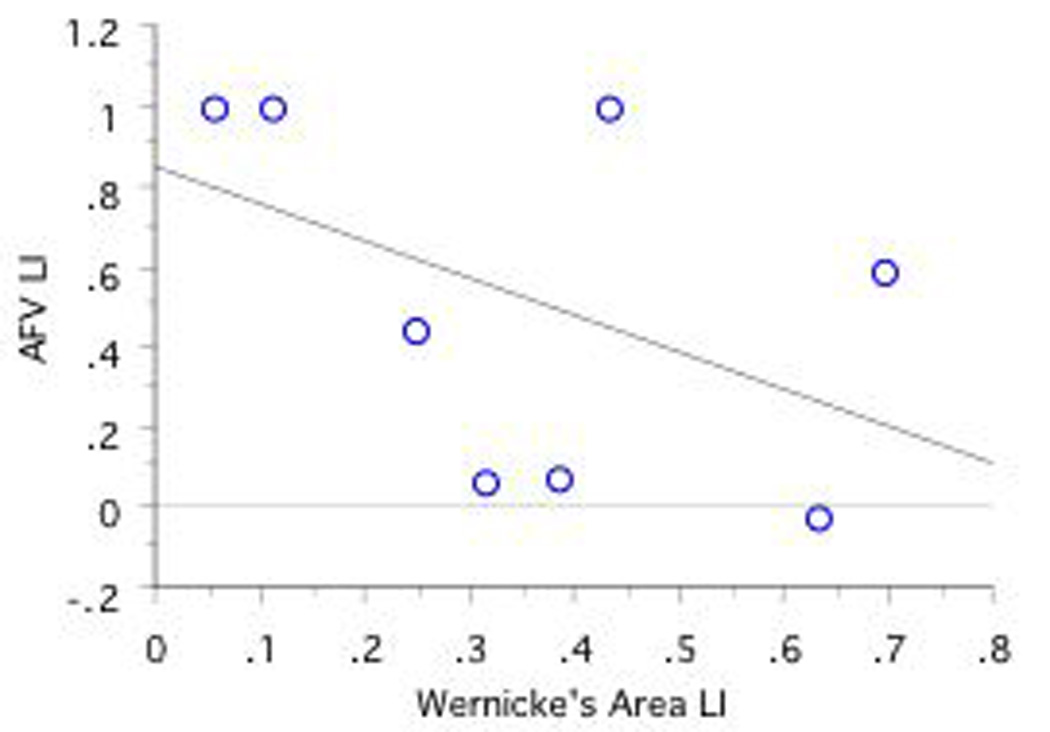
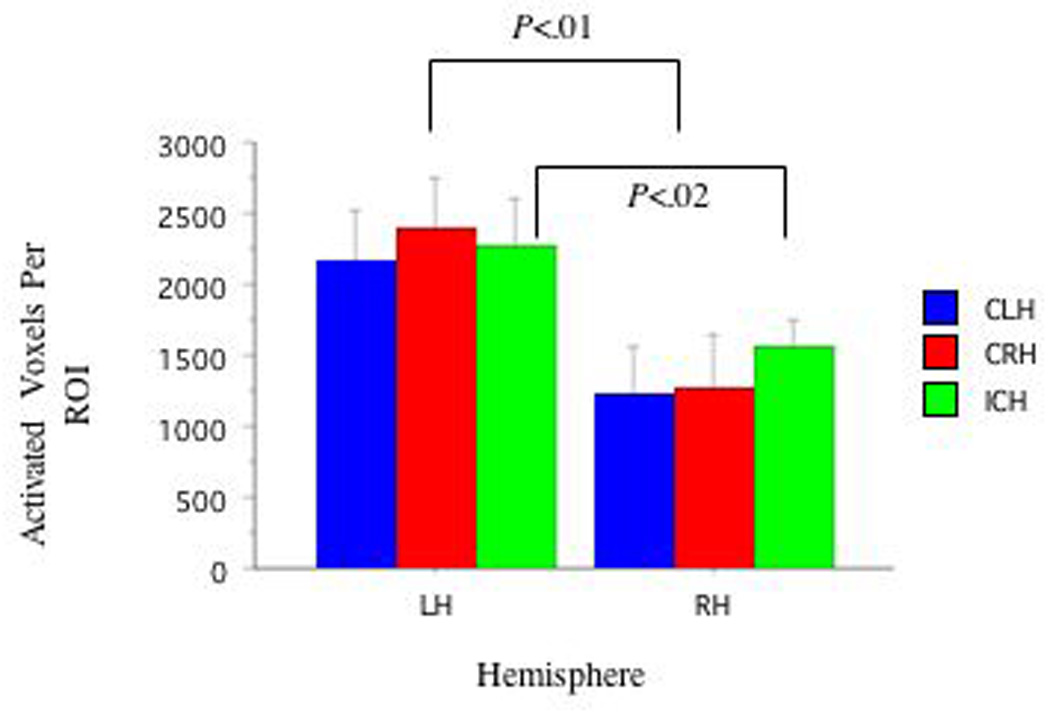
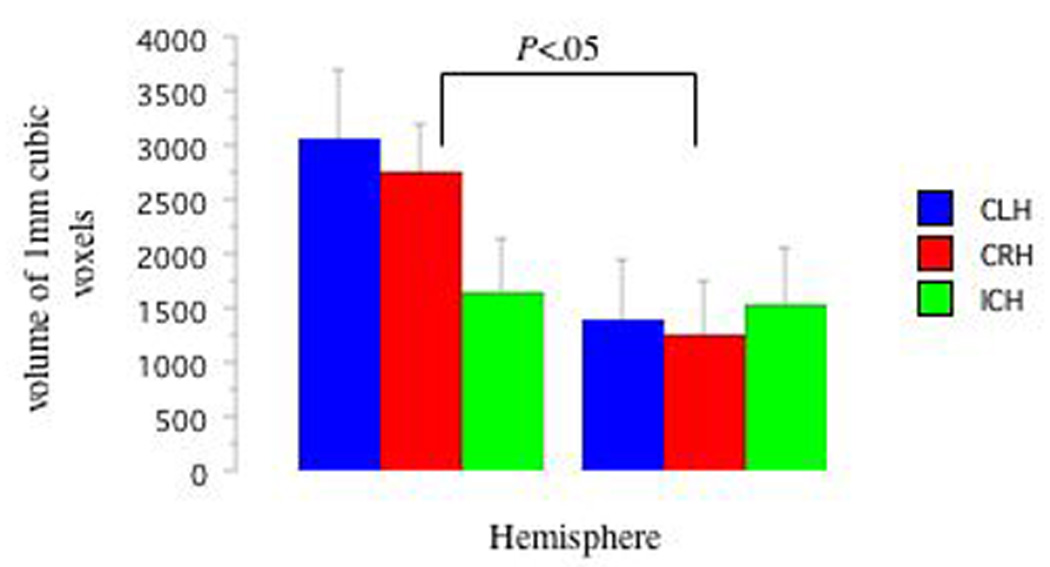
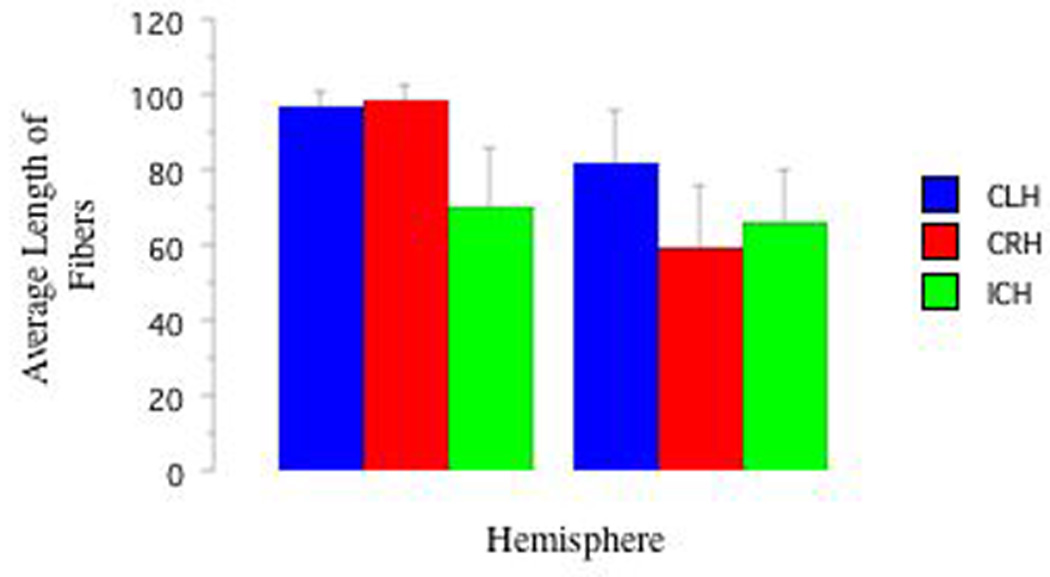
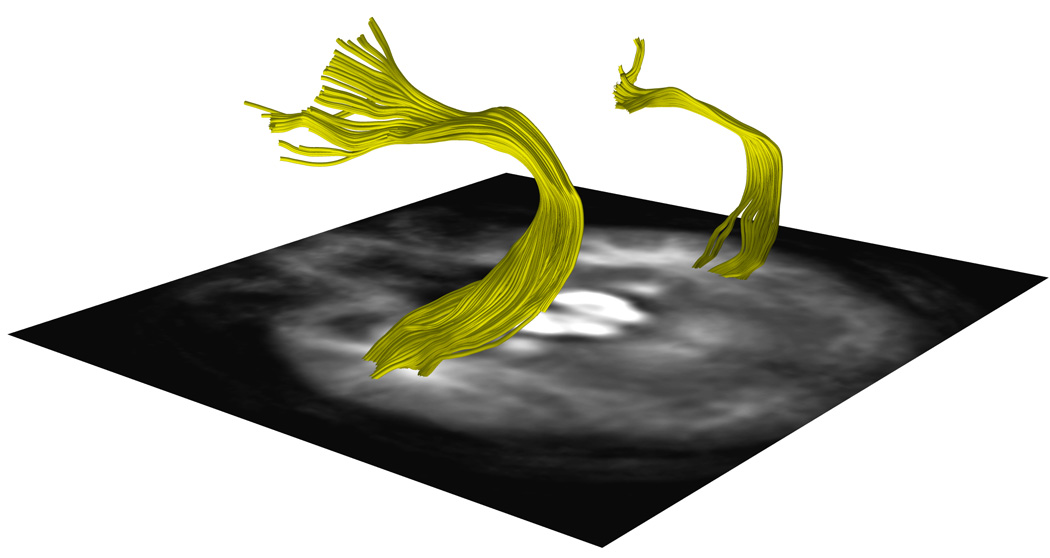
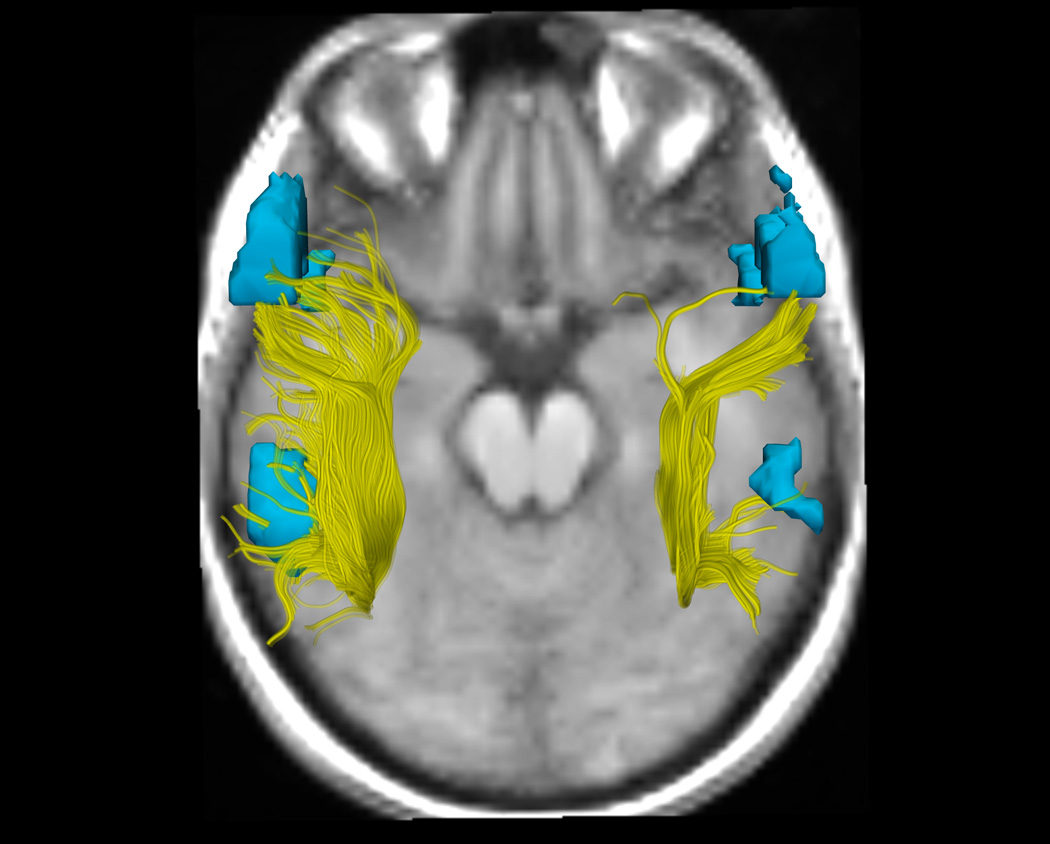
The present study examined the relationship between hand preference degree and direction, functional language lateralization in Broca's and Wernicke's areas, and structural measures of the arcuate fasciculus. Results revealed an effect of degree of hand preference on arcuate fasciculus structure, such that consistently-handed individuals, regardless of the direction of hand preference, demonstrated the most asymmetric arcuate fasciculus, with larger left versus right arcuate, as measured by DTI. Functional language lateralization in Wernicke's area, measured via fMRI, was related to arcuate fasciculus volume in consistent-left-handers only, and only in people who were not right hemisphere lateralized for language; given the small sample size for this finding, future investigation is warranted. Results suggest handedness degree may be an important variable to investigate in the context of neuroanatomical asymmetries.
本研究考察了手偏好程度和方向、布罗卡区和韦尼克区的功能语言侧化以及弓状束的结构测量之间的关系。结果显示,手偏好程度对手弓状束结构有影响,即无论手偏好的方向如何,惯用手的个体表现出最不对称的弓状束,左弓状束相对于右弓状束较大,这是通过 DTI 测量的。通过 fMRI 测量的韦尼克区的功能语言侧化仅与一致性左撇子的弓状束体积有关,并且仅与非右半球语言偏侧化的人有关;鉴于这一发现的样本量较小,未来的研究是有必要的。结果表明,手性程度可能是在神经解剖学不对称的背景下进行研究的一个重要变量。