Scripps Genomic Medicine, Scripps Translational Science Institute, Scripps Health, United States.
Brain Res Bull. 2010 Sep 30;83(3-4):177-88. doi: 10.1016/j.brainresbull.2010.04.012. Epub 2010 Apr 28.
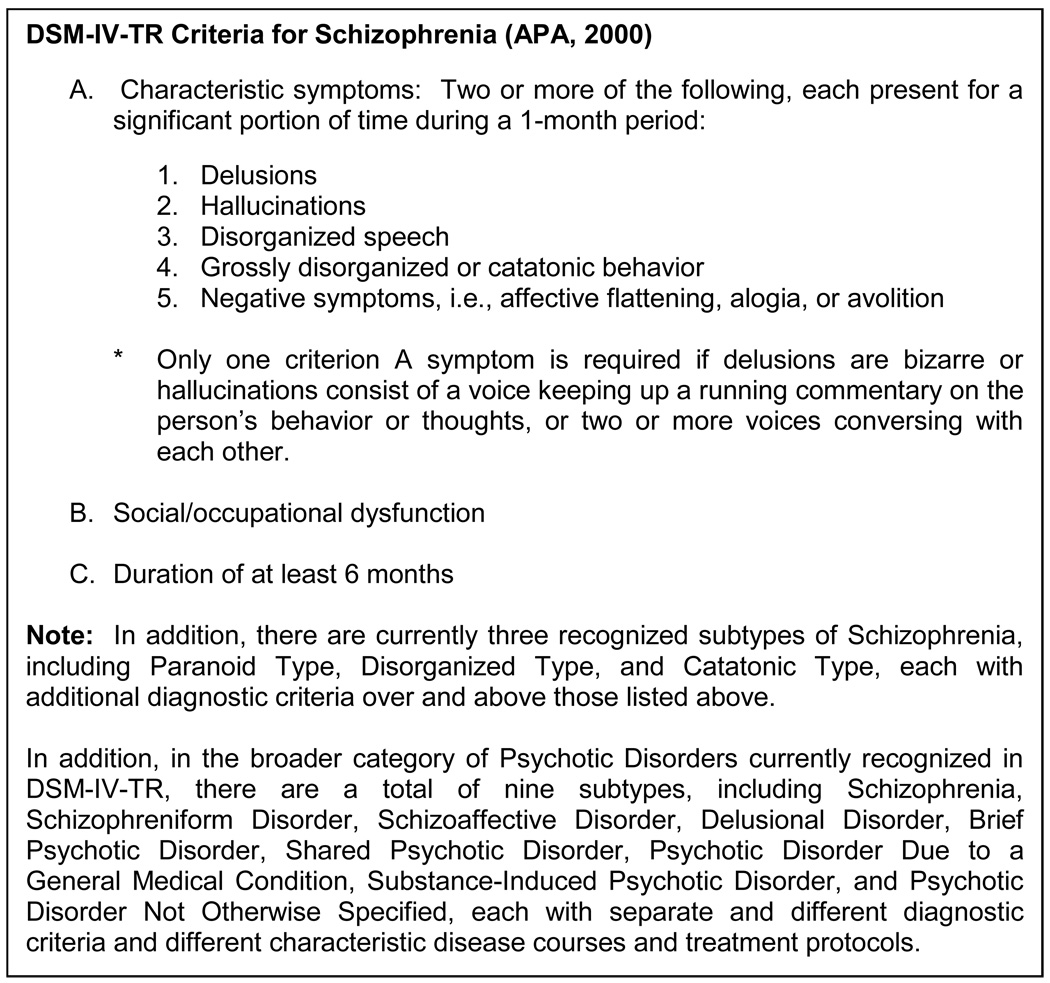
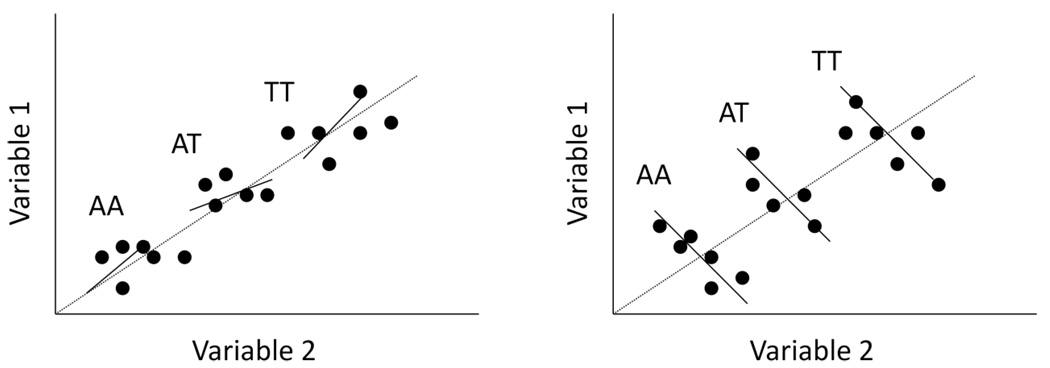
While genome-wide association (GWA) studies have yielded notable findings with regard to the identification of risk variants in diseases such as obesity and diabetes, similar studies of schizophrenia - and neuropsychiatric diseases in general - have failed to produce strong findings. One, plausible explanation for this relates to phenotypic heterogeneity and what may be inherent imprecision associated with diagnostic categories in neuropsychiatric disorders. In this review we discuss a general approach to addressing the problem of heterogeneity that draws on concepts in behavioral informatics and the use of multivariable behavioral profiles in genetic studies of neuropsychiatric disease. The use of behavioral profiles as phenotypes eliminates the need for categorizing individuals with different 'subtypes' of a disease into one group and provides a way to investigate genetic susceptibility to different neuropsychiatric disorders that share similar clinical characteristics, such as schizophrenia and bipolar disorder. Further, behavioral profiles are a direct, quantitative representation of the emotional, personality, and neurocognitive functioning of the individuals being studied, and as such, the use of these profiles may provide increased statistical power to detect genetic associations and linkages. We describe and discuss four general data analysis approaches that can be used to analyze and integrate multivariate behavioral profile data and high-dimensional genomic data. Ultimately, we propose that behavioral profile-based phenotypes provide a meaningful alternative to the use of single measures, such as diagnostic category, in genetic association studies of neuropsychiatric disease.
虽然全基因组关联 (GWA) 研究在鉴定肥胖和糖尿病等疾病的风险变异方面取得了显著发现,但针对精神分裂症和一般神经精神疾病的类似研究未能产生强有力的发现。一种合理的解释与表型异质性以及神经精神障碍诊断类别中固有的不准确性有关。在这篇综述中,我们讨论了一种解决异质性问题的一般方法,该方法借鉴了行为信息学中的概念以及多变量行为特征在神经精神疾病遗传研究中的应用。使用行为特征作为表型消除了将具有不同“亚型”疾病的个体分类为一个组的需要,并为研究具有相似临床特征的不同神经精神障碍(如精神分裂症和双相情感障碍)的遗传易感性提供了一种方法。此外,行为特征是正在研究的个体的情感、个性和神经认知功能的直接、定量表示,因此,使用这些特征可能会提供更高的统计能力来检测遗传关联和连锁。我们描述和讨论了四种可用于分析和整合多变量行为特征数据和高维基因组数据的一般数据分析方法。最终,我们提出基于行为特征的表型为神经精神疾病遗传关联研究中使用单一测量(例如诊断类别)提供了有意义的替代方法。