Department of Cellular & Molecular Physiology, Penn State University College of Medicine, 500 University Drive H166, Hershey, PA 17033, USA.
Physiol Behav. 2010 Jul 14;100(5):519-24. doi: 10.1016/j.physbeh.2010.04.024. Epub 2010 May 1.
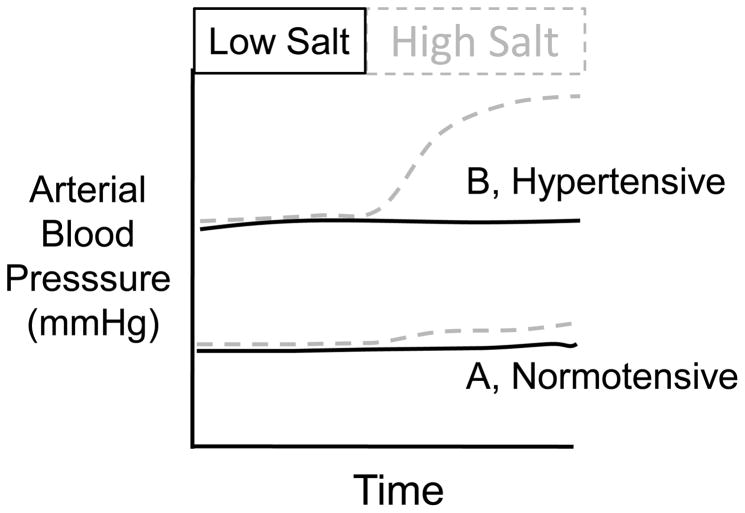
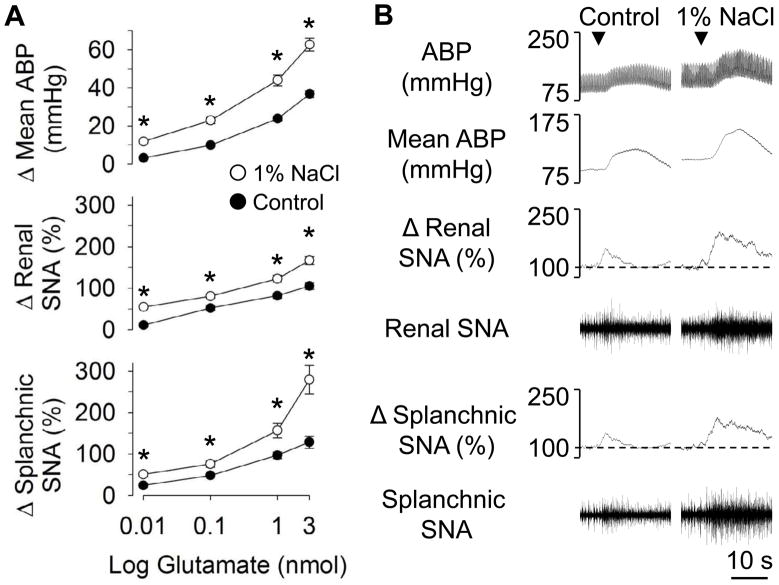
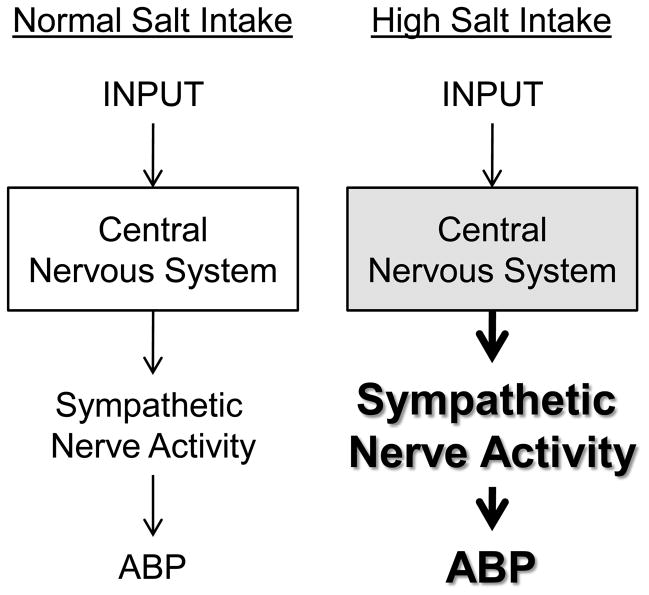
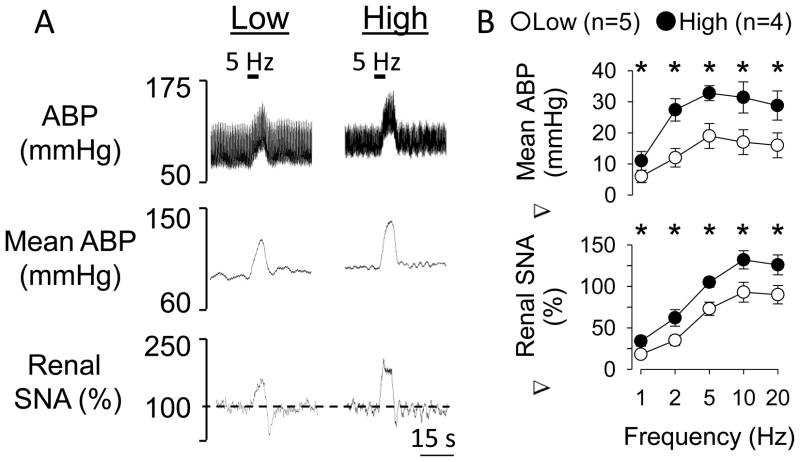
The ingestion of excess dietary salt (defined as NaCl) is strongly correlated with cardiovascular disease, morbidity, mortality, and is regarded as a major contributing factor to the pathogenesis of hypertension. Although several mechanisms contribute to the adverse consequences of dietary salt intake, accumulating evidence suggests that dietary salt loading produces neurogenically-mediated increases in total peripheral resistance to raise arterial blood pressure (ABP). Evidence from clinical studies and experimental models clearly establishes a hypertensive effect of dietary salt loading in a subset of individuals who are deemed "salt-sensitive". However, we will discuss and present evidence to develop a novel hypothesis to suggest that while chronic increases in dietary salt intake do not elevate mean ABP in "non-salt-sensitive" animals, dietary salt intake does enhance several sympathetic reflexes thereby predisposing these animals and/or individuals to the development of salt-sensitive hypertension. Additional evidence raises an intriguing hypothesis that these enhanced sympathetic reflexes are largely attributed to the ability of excess dietary salt intake to selectively enhance the excitability of sympathetic-regulatory neurons in the rostral ventrolateral medulla. Insight into the cellular mechanisms by which dietary salt intake alters the responsiveness of RVLM circuits will likely provide a foundation for developing new therapeutic approaches to treat salt-sensitive hypertension. The paper represents an invited review by a symposium, award winner or keynote speaker at the Society for the Study of Ingestive Behavior [SSIB] Annual Meeting in Portland, July 2009.
过量摄入膳食盐(定义为 NaCl)与心血管疾病、发病率和死亡率密切相关,被认为是高血压发病机制的主要因素之一。尽管有几种机制导致膳食盐摄入的不良后果,但越来越多的证据表明,膳食盐负荷会产生神经介导的总外周阻力增加,从而升高动脉血压(ABP)。来自临床研究和实验模型的证据清楚地确立了膳食盐负荷在一部分被认为是“盐敏感”的个体中具有高血压作用。然而,我们将讨论并提出证据,提出一个新的假设,即虽然慢性增加膳食盐摄入不会使“非盐敏感”动物的平均 ABP 升高,但膳食盐摄入确实增强了几种交感反射,从而使这些动物和/或个体易患盐敏感型高血压。更多的证据提出了一个有趣的假设,即这些增强的交感反射主要归因于过量膳食盐摄入选择性增强延髓头端腹外侧区(RVLM)交感调节神经元兴奋性的能力。深入了解膳食盐摄入改变 RVLM 电路反应性的细胞机制,可能为开发治疗盐敏感型高血压的新治疗方法提供基础。本文是在波特兰举行的摄食行为学会(SSIB)年会上,作为研讨会、获奖者或主题演讲者邀请的综述。