Department of Clinical Laboratory, Japan Community Healthcare Organization, Kyushu Hospital, 1-8-1, Kishinoura, Yahatanishi-ku, Kitakyushu, 806-8501, Japan.
Environ Health Prev Med. 2020 Aug 31;25(1):45. doi: 10.1186/s12199-020-00883-4.
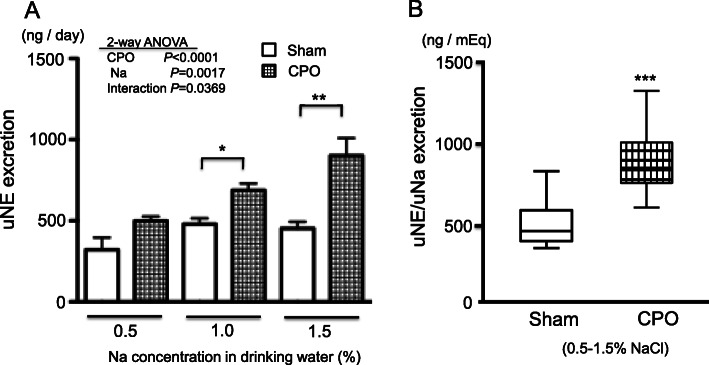
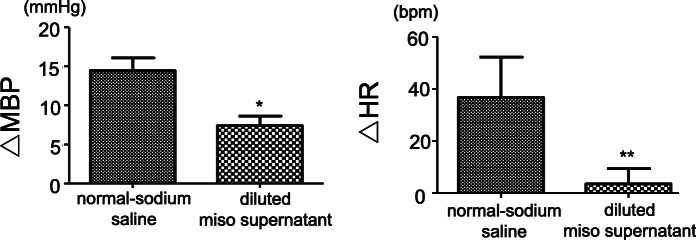
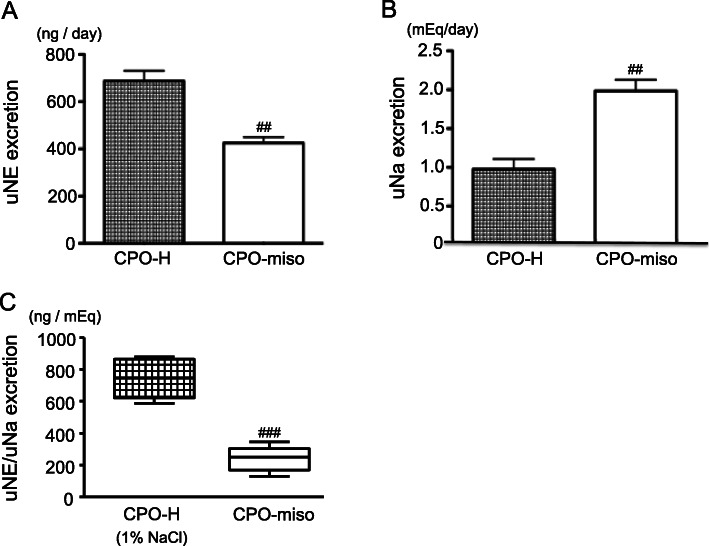
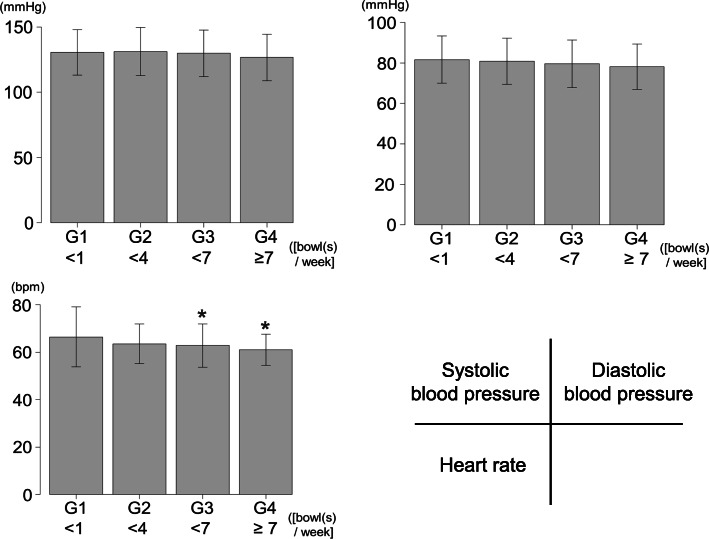
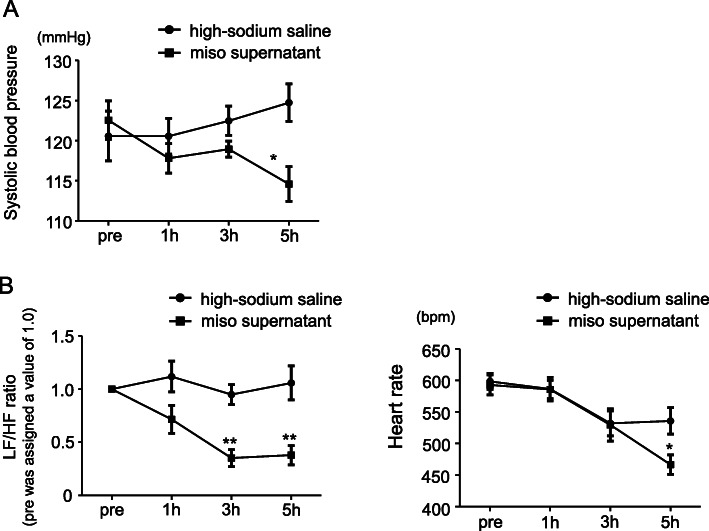
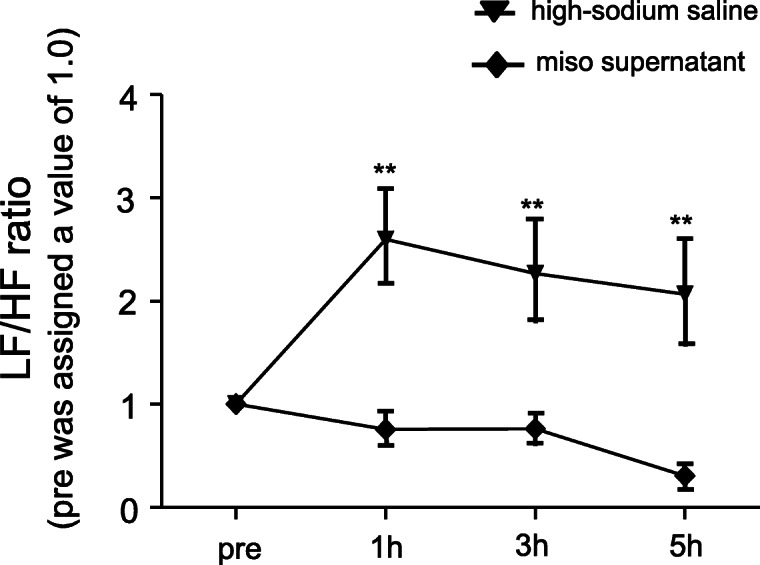
High salt intake increases blood pressure, and dietary salt intake has been clearly demonstrated to be associated with hypertension incidence. Japanese people consume higher amounts of salt than Westerners. It has been reported that miso soup was one of the major sources of daily salt intake in Japanese people. Adding salt is indispensable to make miso, and therefore, in some cases, refraining from miso soup is recommended to reduce dietary salt intake. However, recent studies using salt-sensitive hypertensive models have revealed that miso lessens the effects of salt on blood pressure. In other word, the intake of miso dose not increase the blood pressure compared to the equivalent intake of salt. In addition, many clinical observational studies have demonstrated the absence of a relationship between the frequency of miso soup intake and blood pressure levels or hypertension incidence. The mechanism of this phenomenon seen in the subjects with miso soup intake has not been fully elucidated yet. However, in basic studies, it was found that the ingredients of miso attenuate sympathetic nerve activity, resulting in lowered blood pressure and heart rate. Therefore, this review focused on the differences between the effects of miso intake and those of the equivalent salt intake on sympathetic nerve activity, blood pressure, and heart rate.
高盐摄入会导致血压升高,而膳食盐摄入与高血压的发生明显相关。日本人的盐摄入量比西方人高。有报道称,味噌汤是日本人日常盐摄入量的主要来源之一。制作味噌离不开加盐,因此,在某些情况下,建议减少味噌汤的摄入以减少膳食盐的摄入。然而,最近使用盐敏感型高血压模型的研究表明,味噌可以减轻盐对血压的影响。换句话说,与等量的盐摄入相比,味噌的摄入不会导致血压升高。此外,许多临床观察性研究表明,味噌汤摄入频率与血压水平或高血压发生率之间没有关系。在摄入味噌的受试者中观察到的这种现象的机制尚未完全阐明。然而,在基础研究中发现,味噌的成分可以减弱交感神经活动,从而降低血压和心率。因此,本综述重点关注味噌摄入与等量盐摄入对交感神经活性、血压和心率的影响的差异。