Max-Planck Research Group on Stem Cell Aging, University of Ulm, Ulm, Germany.
Aging Cell. 2010 Aug;9(4):607-15. doi: 10.1111/j.1474-9726.2010.00583.x. Epub 2010 Jun 17.
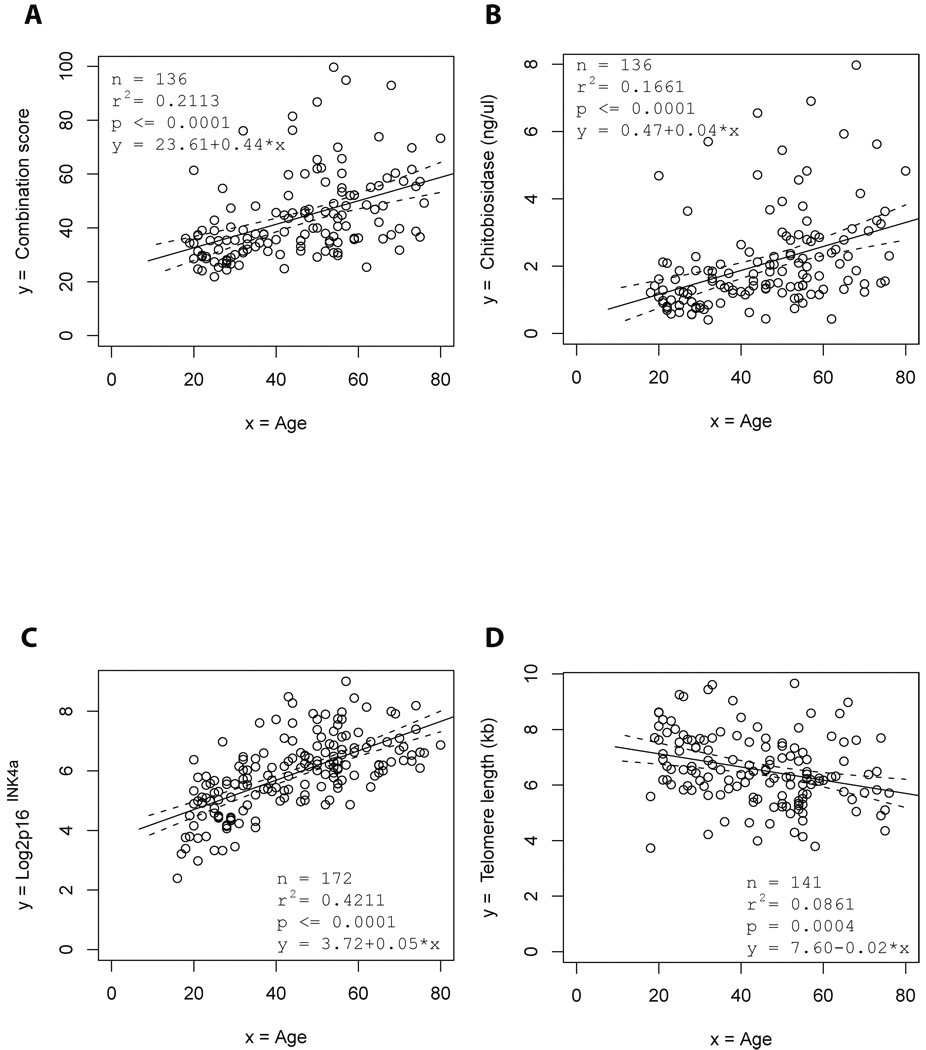
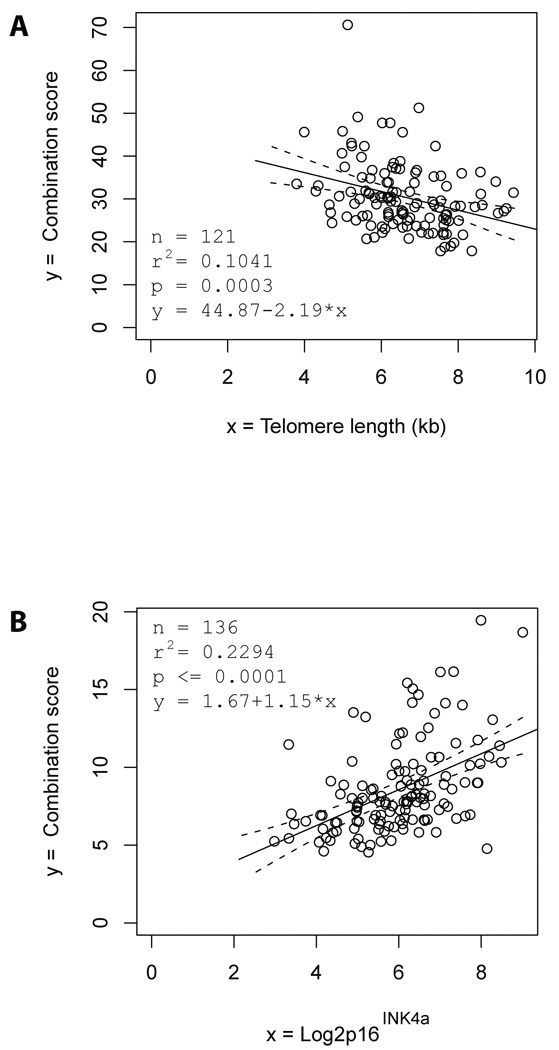
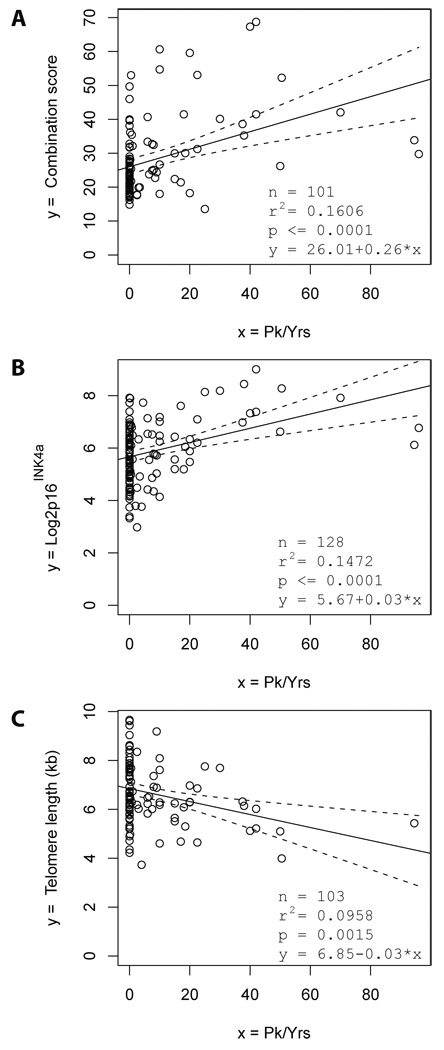
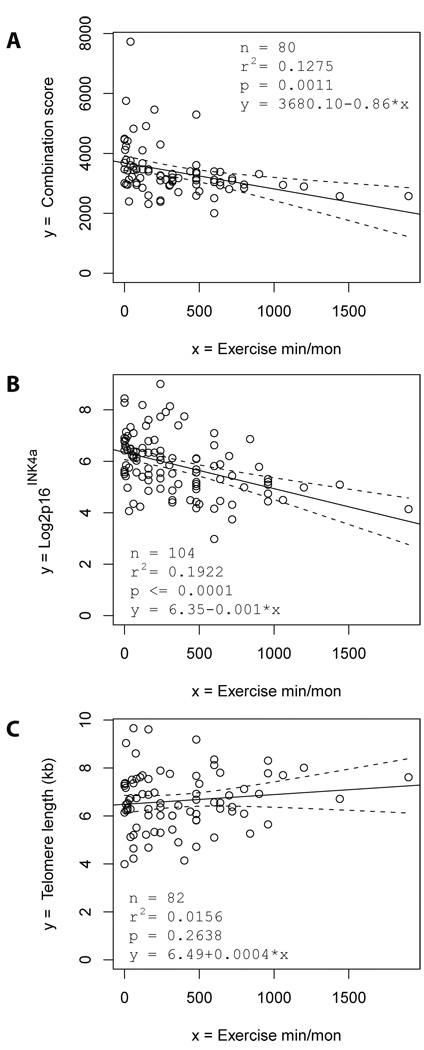
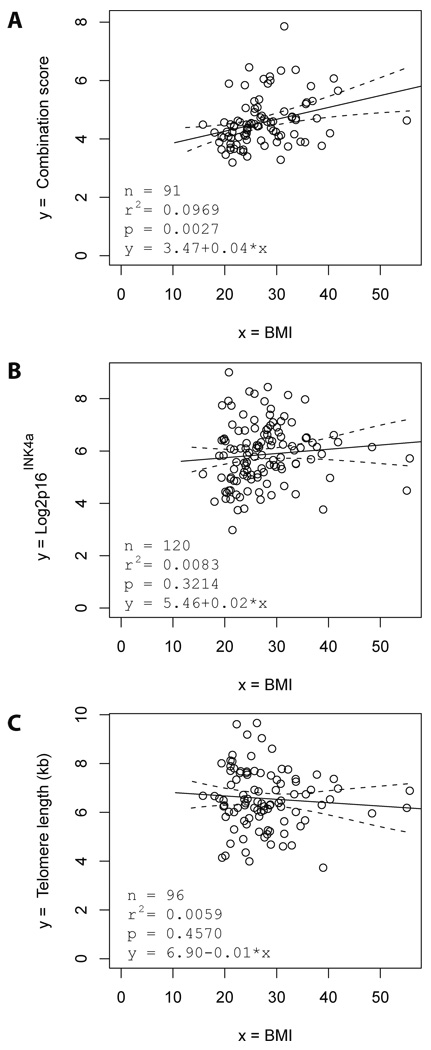
Cellular aging is characterized by telomere shortening, which can lead to uncapping of chromosome ends (telomere dysfunction) and activation of DNA damage responses. There is some evidence that DNA damage accumulates during human aging and that lifestyle factors contribute to the accumulation of DNA damage. Recent studies have identified a set of serum markers that are induced by telomere dysfunction and DNA damage, and these markers showed an increased expression in blood during human aging. Here, we investigated the influence of lifestyle factors (such as exercise, smoking, body mass) on the aging-associated expression of serum markers of DNA damage (CRAMP, EF-1alpha, stathmin, n-acetyl-glucosaminidase and chitinase) in comparison with other described markers of cellular aging (p16(INK4a) upregulation and telomere shortening) in human peripheral blood. The study shows that lifestyle factors have an age-independent impact on the expression level of biomarkers of DNA damage. Smoking and increased body mass indices were associated with elevated levels of biomarkers of DNA damage independent of the age of the individuals. In contrast, exercise was associated with an age-independent reduction in the expression of biomarkers of DNA damage in human blood. The expression of biomarkers of DNA damage correlated positively with p16(INK4a) expression and negatively with telomere length in peripheral blood T-lymphocytes. Together, these data provide experimental evidence that both aging and lifestyle impact on the accumulation of DNA damage during human aging.
细胞衰老的特征是端粒缩短,这可能导致染色体末端去帽(端粒功能障碍)和 DNA 损伤反应的激活。有一些证据表明,DNA 损伤在人类衰老过程中积累,并且生活方式因素促成了 DNA 损伤的积累。最近的研究已经确定了一组由端粒功能障碍和 DNA 损伤诱导的血清标志物,这些标志物在人类衰老过程中在血液中表达增加。在这里,我们研究了生活方式因素(如运动、吸烟、体重)对人外周血中 DNA 损伤血清标志物(CRAMP、EF-1alpha、stathmin、n-乙酰葡萄糖胺酶和几丁质酶)的衰老相关表达的影响,与其他描述的细胞衰老标志物(p16(INK4a)上调和端粒缩短)进行了比较。研究表明,生活方式因素对 DNA 损伤生物标志物的表达水平具有独立于年龄的影响。吸烟和体重指数增加与 DNA 损伤生物标志物水平的升高有关,而与个体的年龄无关。相比之下,运动与人类血液中 DNA 损伤生物标志物的表达呈年龄独立的降低有关。DNA 损伤生物标志物的表达与外周血 T 淋巴细胞中的 p16(INK4a)表达呈正相关,与端粒长度呈负相关。总之,这些数据提供了实验证据,表明衰老和生活方式都影响人类衰老过程中 DNA 损伤的积累。