Mahajan Vinit B, Vallone John G, Lin Jonathan H, Mullins Robert F, Ko Audrey C, Folk James C, Stone Edwin M
Vitreoretinal Service, Department of Ophthalmology and Visual Sciences, The University of Iowa Hospitals & Clinics, Iowa City, IA, USA.
Mol Vis. 2010 Jun 8;16:1034-40.
Autosomal dominant neovascular inflammatory vitreoretinopathy (ADNIV) is a familial blinding disease of unknown pathophysiology. The eyes and sera from patients with ADNIV were studied to understand the immune response in this condition.
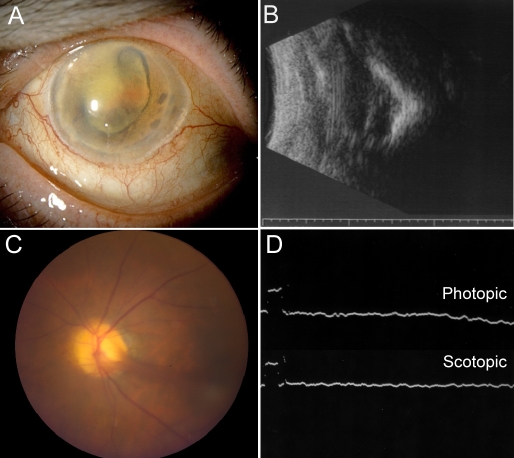
The clinical case of an ADNIV patient was reviewed. Eye specimens from two donors with ADNIV were examined with a panel of standard histopathological stains and immunohistochemical markers. These findings were compared to specimens of noninflammatory eye disease. Sera from twelve patients were also tested against retinal protein western blots for the presence of autoretinal antibodies.
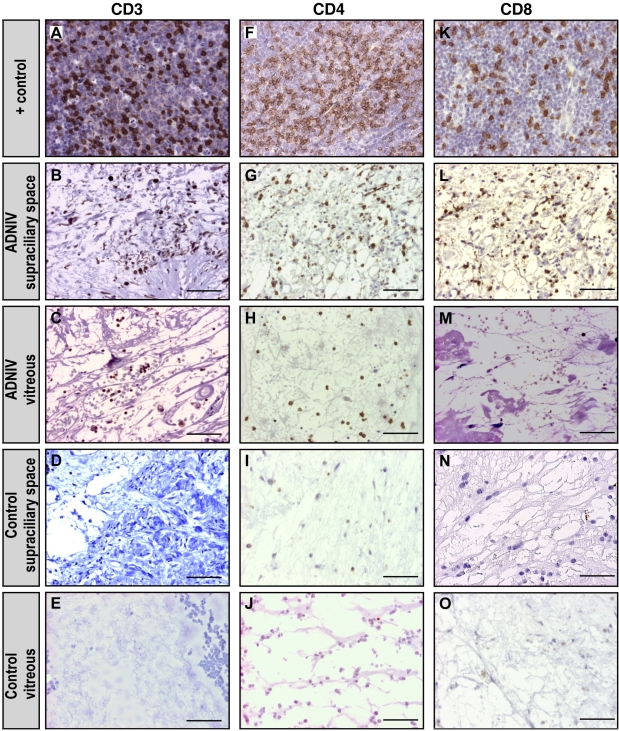
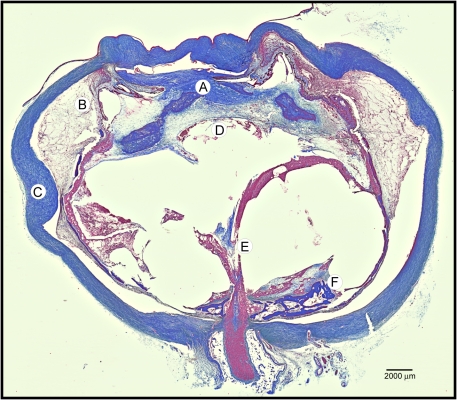
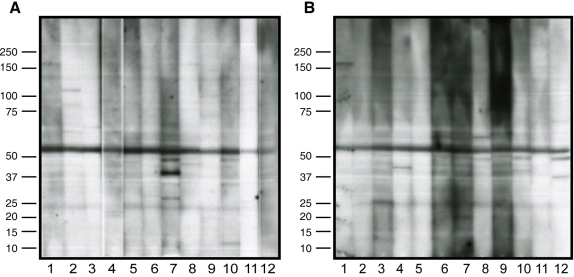
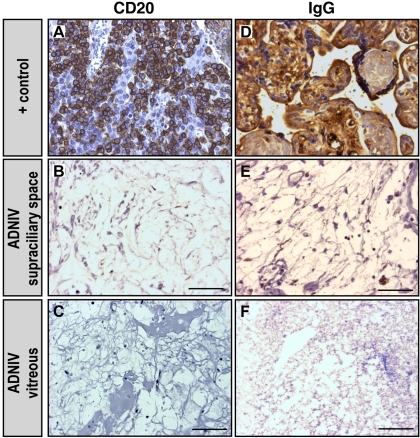
Each of the ADNIV and control eyes showed degenerative features of phthisis bulbi. Immunohistological stains revealed a supraciliary T-cell infiltrate in ADNIV eyes composed of cluster of differentiation-4 (CD4) positive and cluster of differentiation-8 (CD8)-positive cells. No immunoglobulin or B cells were detected in these eyes. Inflammatory cells were absent from the control eyes. No specific autoretinal antibodies were detected in ADNIV sera.
Aberrant T-cell-mediated processes may underlie ADNIV, and therapeutics directed at T cells may better manage inflammation in these patients. Genes related to T-cell function are high priority screening candidates.
常染色体显性遗传性新生血管性炎性玻璃体视网膜病变(ADNIV)是一种病理生理学不明的家族性致盲疾病。对ADNIV患者的眼睛和血清进行研究以了解这种情况下的免疫反应。
回顾了一名ADNIV患者的临床病例。用一组标准组织病理学染色剂和免疫组化标志物检查了两名ADNIV供体的眼标本。将这些结果与非炎性眼病的标本进行比较。还针对视网膜蛋白免疫印迹检测了12名患者血清中自身视网膜抗体的存在情况。
ADNIV眼和对照眼中均显示眼球痨的退行性特征。免疫组织学染色显示ADNIV眼中睫状体上有T细胞浸润,由分化簇4(CD4)阳性和分化簇8(CD8)阳性细胞组成。这些眼中未检测到免疫球蛋白或B细胞。对照眼中无炎性细胞。在ADNIV血清中未检测到特异性自身视网膜抗体。
异常的T细胞介导过程可能是ADNIV的基础,针对T细胞的治疗可能更好地控制这些患者的炎症。与T细胞功能相关的基因是高优先级的筛查候选对象。