Department of Urban and Regional Planning, Jackson State University, Jackson, MS 39211, USA.
Int J Environ Res Public Health. 2010 May;7(5):2101-30. doi: 10.3390/ijerph7052101. Epub 2010 May 4.
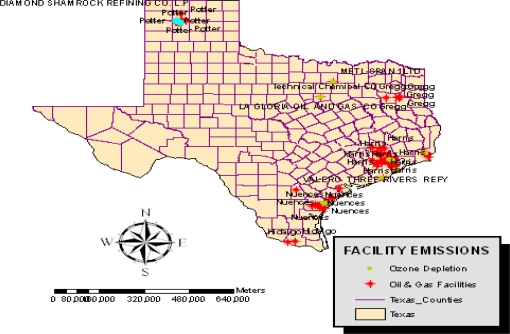
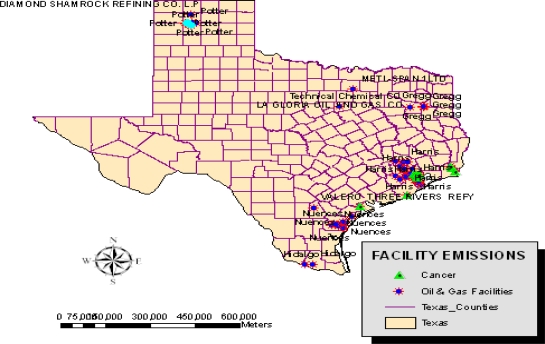
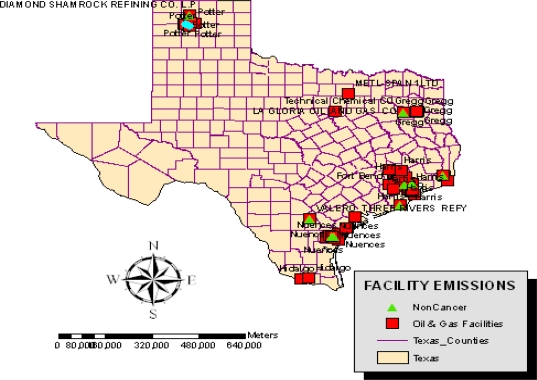
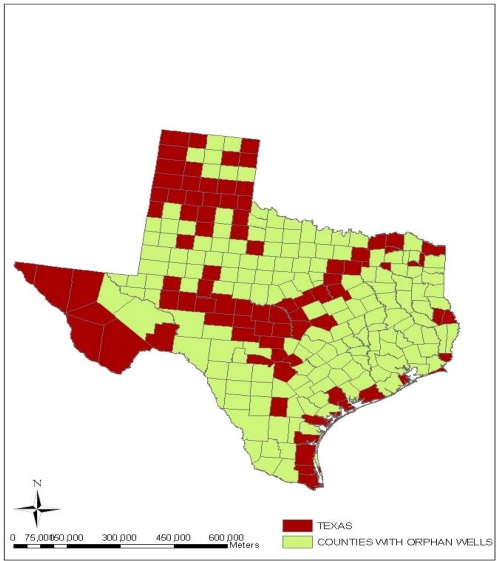
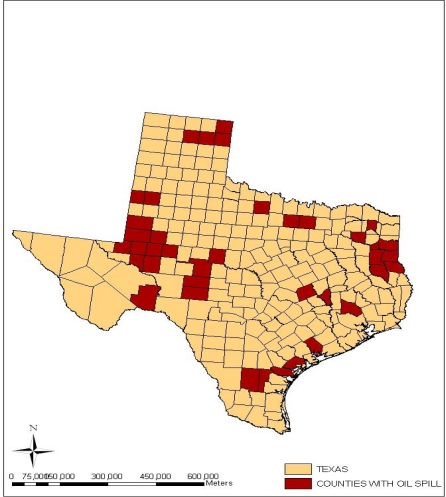
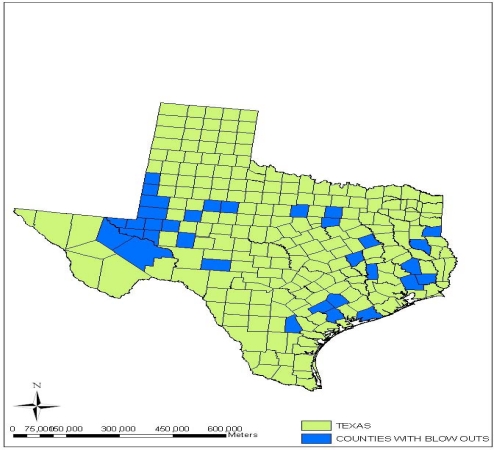
Geo-information technologies are valuable tools for ecological assessment in stressed environments. Visualizing natural features prone to disasters from the oil sector spatially not only helps in focusing the scope of environmental management with records of changes in affected areas, but it also furnishes information on the pace at which resource extraction affects nature. Notwithstanding the recourse to ecosystem protection, geo-spatial analysis of the impacts remains sketchy. This paper uses GIS and descriptive statistics to assess the ecological impacts of petroleum extraction activities in Texas. While the focus ranges from issues to mitigation strategies, the results point to growth in indicators of ecosystem decline.
地理信息技术是评估压力环境下生态状况的有力工具。从空间上展示易受石油部门影响的自然特征,不仅有助于通过受影响地区变化记录,聚焦环境管理范围,还能提供有关资源开采影响自然速度的信息。尽管利用了生态系统保护,但对影响的地理空间分析仍然粗略。本文使用 GIS 和描述性统计来评估德克萨斯州石油开采活动的生态影响。虽然重点范围从问题到缓解策略,但结果表明生态系统衰退指标呈增长趋势。