Avian Disease Research Center, College of Veterinary Medicine of Sichuan Agricultural University, 46# Xinkang Road, Ya'an, Sichuan 625014, China.
Virol J. 2010 Jul 21;7:168. doi: 10.1186/1743-422X-7-168.
Duck viral enteritis, which is caused by duck enteritis virus (DEV), causes significant economic losses in domestic and wild waterfowls because of the high mortality and low egg production rates. With the purpose of eliminating this disease and decreasing economic loss in the commercial duck industry, researching on glycoprotein K (gK) of DEV may be a new kind of method for preventing and curing this disease. Because glycoproteins project from the virus envelope as spikes and are directly involved in the host immune system and elicitation of the host immune responses, and also play an important role in mediating infection of target cells, the entry into cell for free virus and the maturation or egress of virus. The gK is one of the major envelope glycoproteins of DEV. However, little information correlated with gK is known, such as antigenic and functional characterization.
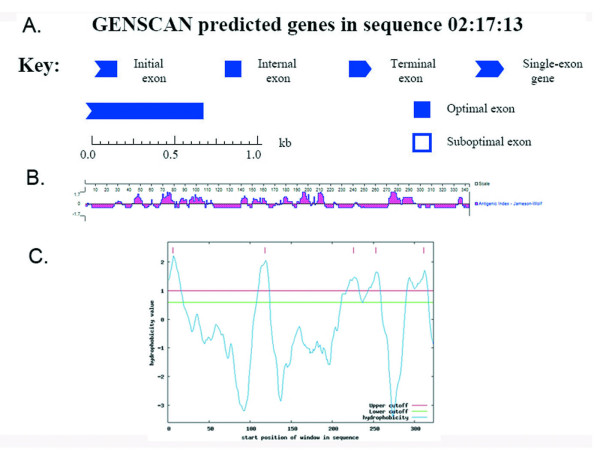
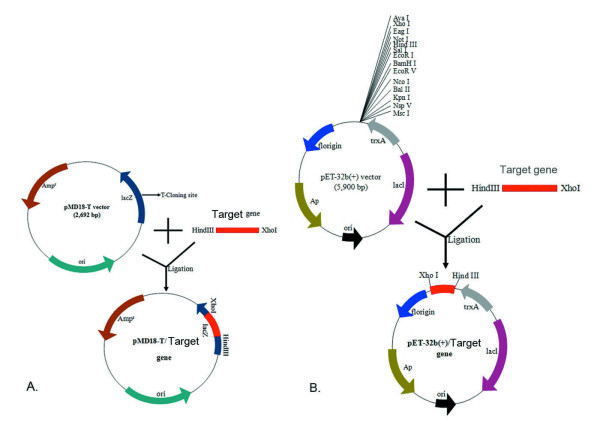
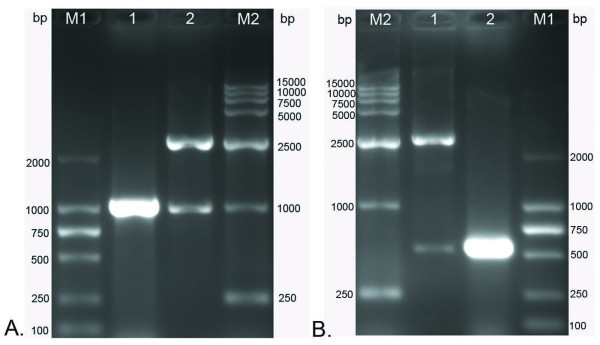
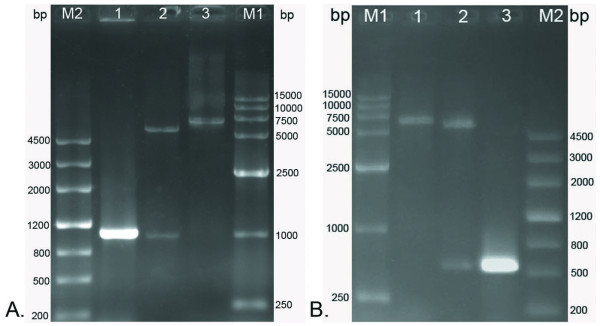
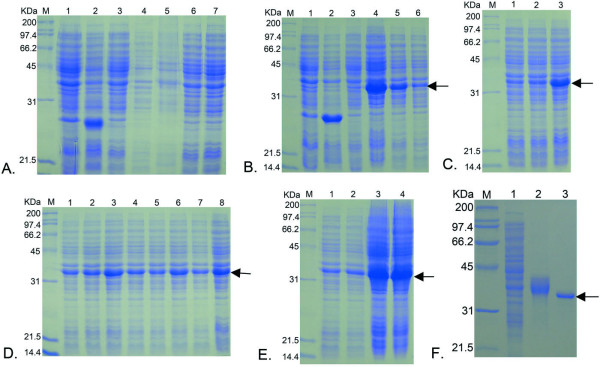
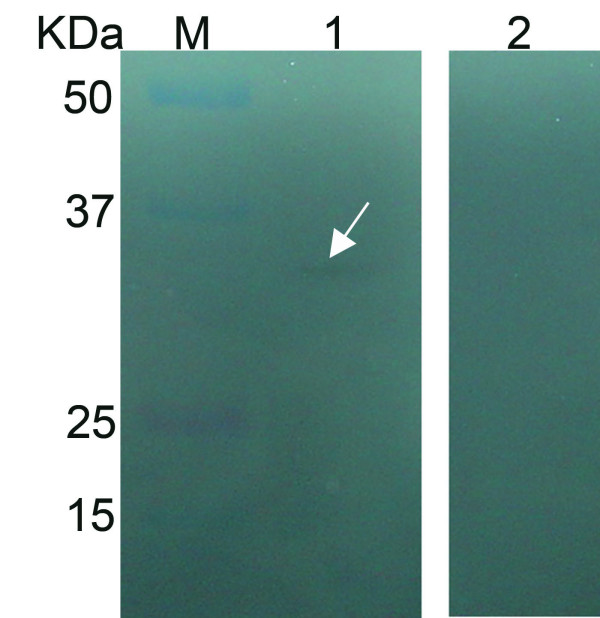
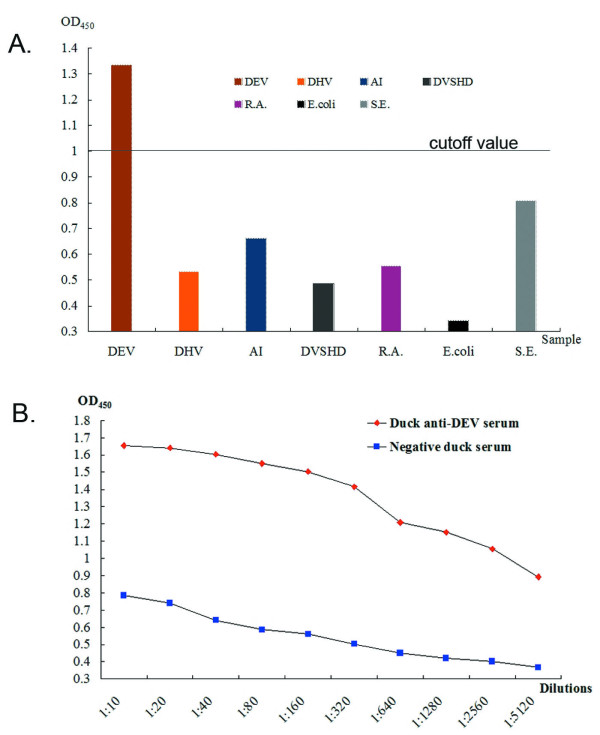
Bioinformatic predictions revealed that the expression of the full-length gK gene (fgK) in a prokaryotic system is difficult because of the presence of suboptimal exon and transmembrane domains at the C-terminal. In this study, we found that the fgK gene might not be expressed in a prokaryotic system in accordance with the bioinformatic predictions. Further, we successfully used bioinformatics tools to guide the prokaryotic expression of the gK gene by designing a novel truncated gK gene (tgK). These findings indicated that bioinformatics provides theoretical data for target gene expression and saves time for our research. The recombinant tgK protein (tgK) was expressed and purified by immobilized metal affinity chromatography (IMAC). Western blotting and indirect enzyme-linked immunosorbent assay (ELISA) showed that the tgK possessed antigenic characteristics similar to native DEV-gK.
In this work, the DEV-tgK was expressed successfully in prokaryotic system for the first time, which will provide usefull information for prokaryotic expression of alphaherpesvirus gK homologs, and the recombinant truncated gK possessed antigenic characteristics similar to native DEV gK. Because of the good reactionogenicity, specificity and sensitivity, the purified tgK could be useful for developing a sensitive serum diagnostic kit to monitor DEV outbreaks.
鸭病毒性肠炎是由鸭肠炎病毒(DEV)引起的,由于死亡率高和产蛋率低,给家养和野生水禽造成了重大的经济损失。为了消除这种疾病并减少商业鸭产业的经济损失,研究 DEV 的糖蛋白 K(gK)可能是预防和治疗这种疾病的一种新方法。由于糖蛋白从病毒包膜突出,直接参与宿主免疫系统和引发宿主免疫反应,并且在介导靶细胞感染、游离病毒进入细胞以及病毒成熟或逸出方面发挥重要作用。gK 是 DEV 的主要包膜糖蛋白之一。然而,与 gK 相关的信息知之甚少,例如抗原性和功能特征。
生物信息学预测表明,由于 C 末端存在次优外显子和跨膜结构域,全长 gK 基因(fgK)在原核系统中的表达较为困难。在本研究中,我们发现根据生物信息学预测,fgK 基因可能无法在原核系统中表达。此外,我们成功地使用生物信息学工具通过设计新型截断 gK 基因(tgK)来指导 gK 基因的原核表达。这些发现表明,生物信息学为靶基因表达提供了理论数据,为我们的研究节省了时间。通过固定化金属亲和层析(IMAC)表达和纯化重组 tgK 蛋白(tgK)。Western blot 和间接酶联免疫吸附试验(ELISA)表明,tgK 具有与天然 DEV-gK 相似的抗原特性。
在这项工作中,DEV-tgK 首次成功在原核系统中表达,这将为我们提供有用的信息,用于原核表达α疱疹病毒 gK 同源物,并且重组截断的 gK 具有与天然 DEV gK 相似的抗原特性。由于具有良好的反应原性、特异性和敏感性,纯化的 tgK 可用于开发敏感的血清诊断试剂盒来监测 DEV 的爆发。