Department of Microbiology, Immunology, and Parasitology, Louisiana State University Health Science Center, New Orleans, LA 70112, USA.
J Immunol. 2010 Sep 15;185(6):3227-38. doi: 10.4049/jimmunol.0903066. Epub 2010 Aug 20.
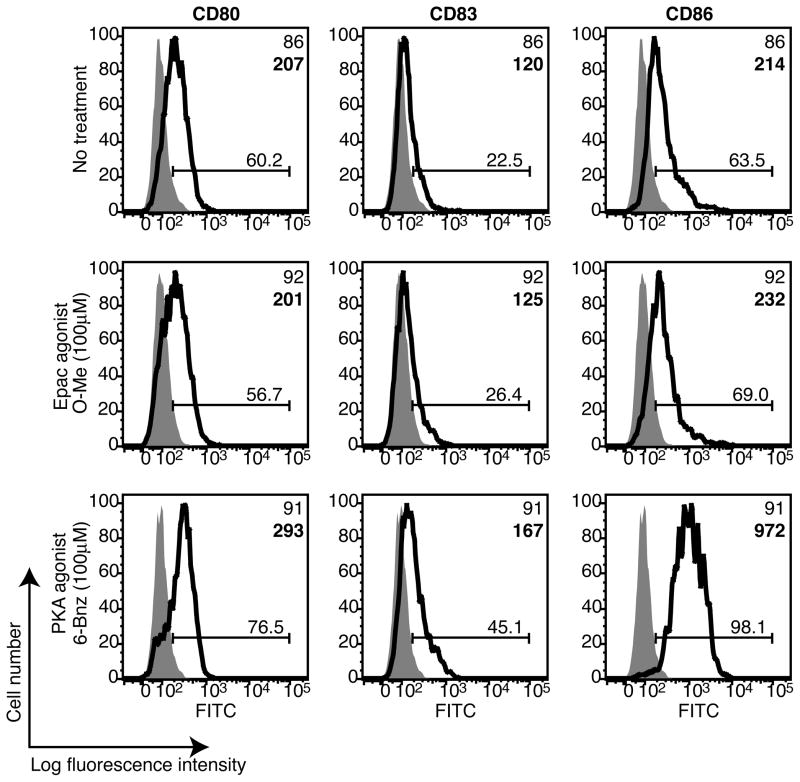
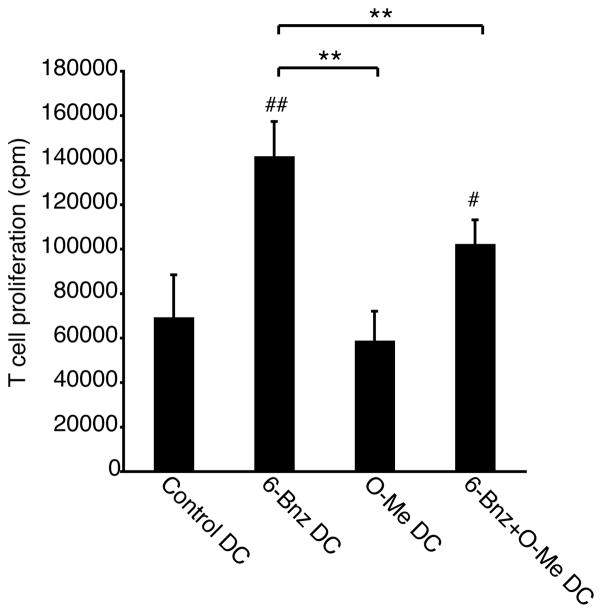
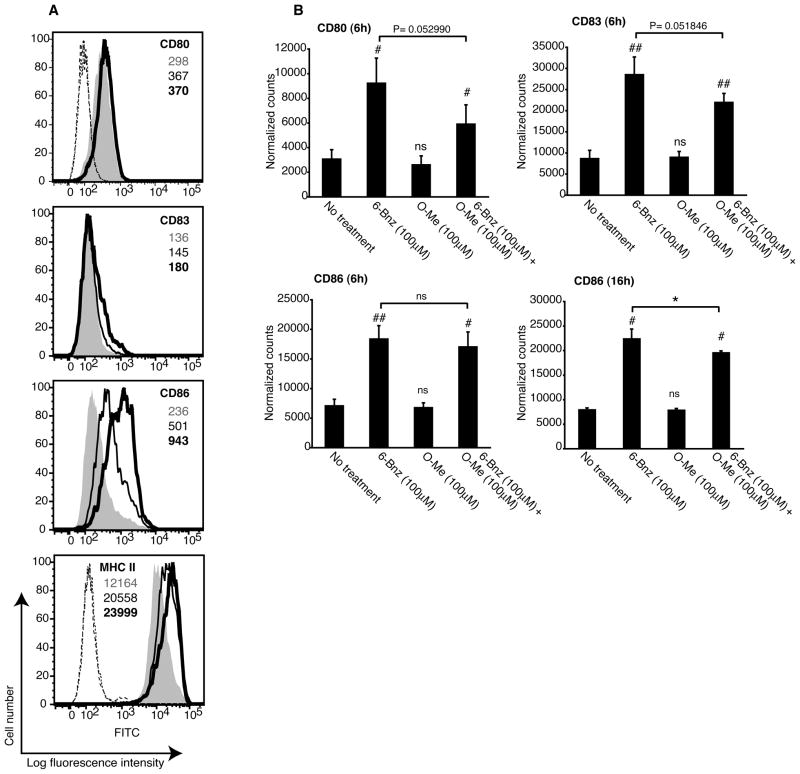
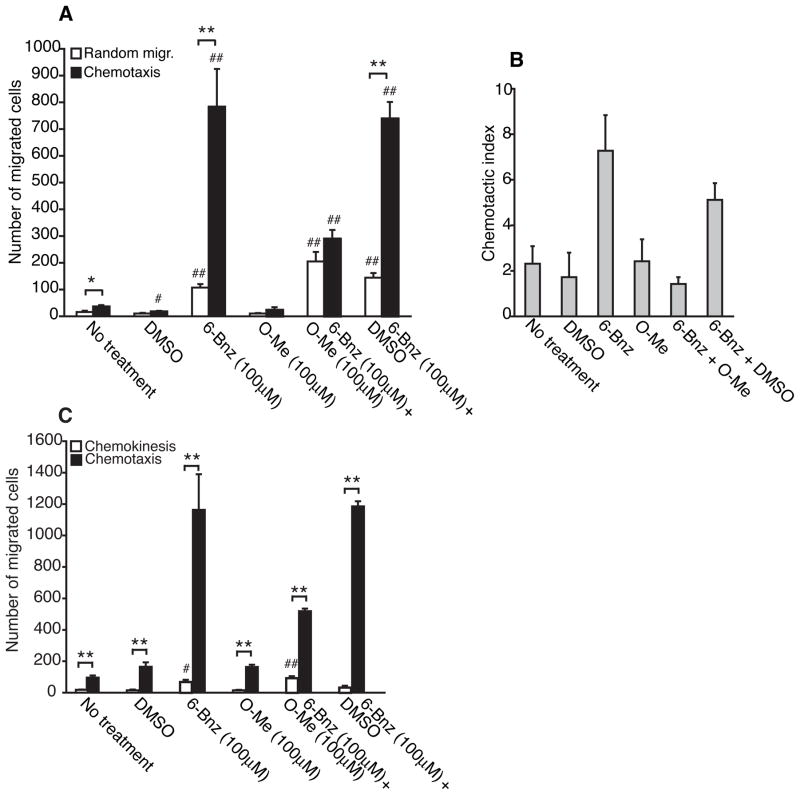
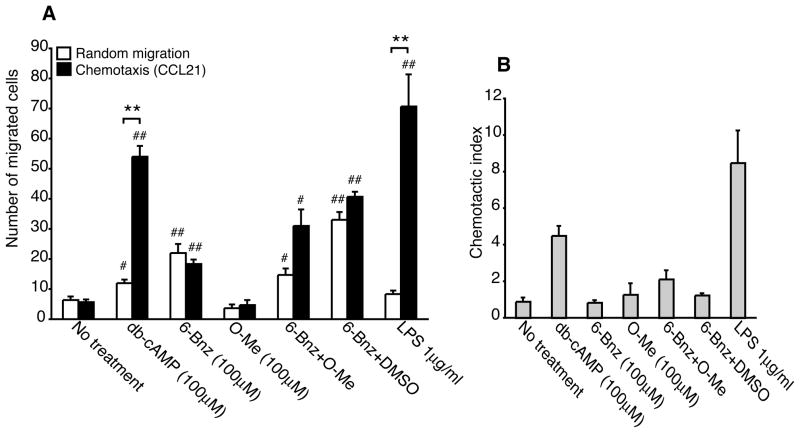
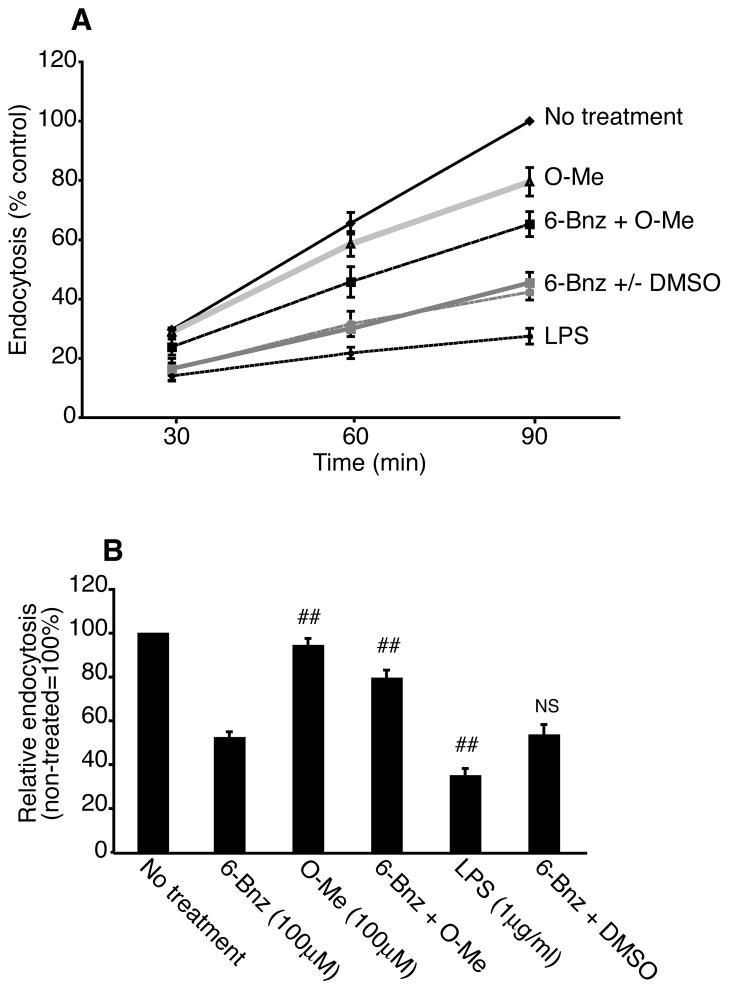
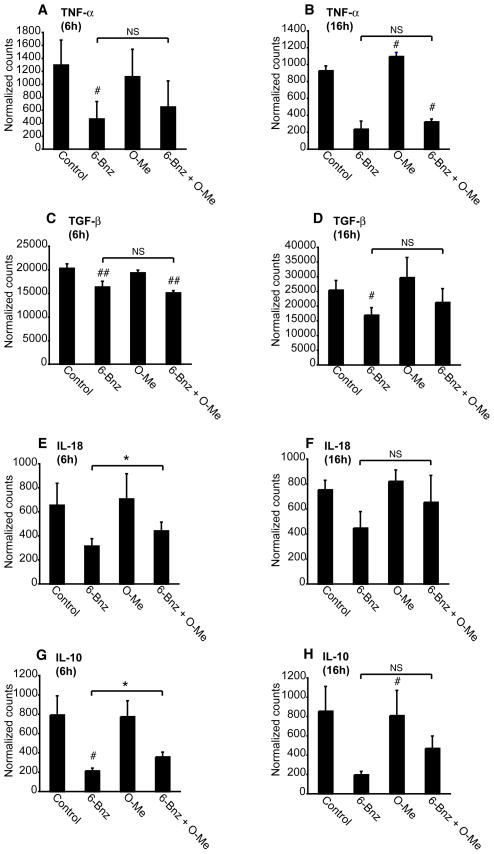
The cAMP-dependent signaling pathways that orchestrate dendritic cell (DC) maturation remain to be defined in detail. Although cAMP was previously thought to signal exclusively through protein kinase A (PKA), it is now clear that cAMP also activates exchange protein activated by cAMP (Epac), a second major cAMP effector. Whether cAMP signaling via PKA is sufficient to drive DC maturation or whether Epac plays a role has not been examined. In this study, we used cAMP analogs to selectively activate PKA or Epac in human monocyte-derived DCs and examined the effect of these signaling pathways on several hallmarks of DC maturation. We show that PKA activation induces DC maturation as evidenced by the increased cell-surface expression of MHC class II, costimulatory molecules, and the maturation marker CD83. PKA activation also reduces DC endocytosis and stimulates chemotaxis to the lymph node-associated chemokines CXCL12 and CCL21. Although PKA signaling largely suppresses cytokine production, the net effect of PKA activation translates to enhanced DC activation of allogeneic T cells. In contrast to the stimulatory effects of PKA, Epac signaling has no effect on DC maturation or function. Rather, Epac suppresses the effects of PKA when both pathways are activated simultaneously. These data reveal a previously unrecognized crosstalk between the PKA and Epac signaling pathways in DCs and raise the possibility that therapeutics targeting PKA may generate immunogenic DCs, whereas those that activate Epac may produce tolerogenic DCs capable of attenuating allergic or autoimmune disease.
cAMP 依赖性信号通路在树突状细胞 (DC) 成熟中起着重要的调节作用,但目前仍需进一步深入研究。虽然 cAMP 以前被认为仅通过蛋白激酶 A (PKA) 发挥信号作用,但现在已经明确 cAMP 还可以激活 cAMP 激活的交换蛋白 (Epac),这是另一种主要的 cAMP 效应分子。cAMP 通过 PKA 信号是否足以驱动 DC 成熟,或者 Epac 是否发挥作用,目前尚未得到检验。在这项研究中,我们使用 cAMP 类似物选择性激活人单核细胞来源的 DC 中的 PKA 或 Epac,并研究这些信号通路对 DC 成熟的几个特征的影响。我们发现 PKA 激活诱导 DC 成熟,表现为 MHC Ⅱ类分子、共刺激分子和成熟标志物 CD83 的细胞表面表达增加。PKA 激活还降低了 DC 的内吞作用,并刺激了对淋巴结相关趋化因子 CXCL12 和 CCL21 的趋化作用。尽管 PKA 信号主要抑制细胞因子的产生,但 PKA 激活的净效应导致同种异体 T 细胞对 DC 的激活增强。与 PKA 的刺激作用相反,Epac 信号对 DC 成熟或功能没有影响。相反,当两条信号通路同时被激活时,Epac 抑制了 PKA 的作用。这些数据揭示了 DC 中 PKA 和 Epac 信号通路之间以前未被认识到的相互作用,并提出了靶向 PKA 的治疗方法可能产生免疫原性 DC,而激活 Epac 的治疗方法可能产生具有耐受性的 DC,从而减轻过敏或自身免疫性疾病的可能性。