Newhauser Wayne D, Fontenot Jonas D, Taddei Phillip J, Mirkovic Dragan, Giebeler Annelise, Zhang Rui, Mahajan Anita, Kornguth David, Stovall Marilyn, Yepes Pablo, Woo Shiao, Mohan Radhe
Department of Radiation Physics, The University of Texas M. D. Anderson Cancer Center, 1515 Holcombe Blvd, Unit 94, Houston, TX 77030, USA.
AIP Conf Proc. 2009 Mar 10;1099(1):450-455. doi: 10.1063/1.3120071.
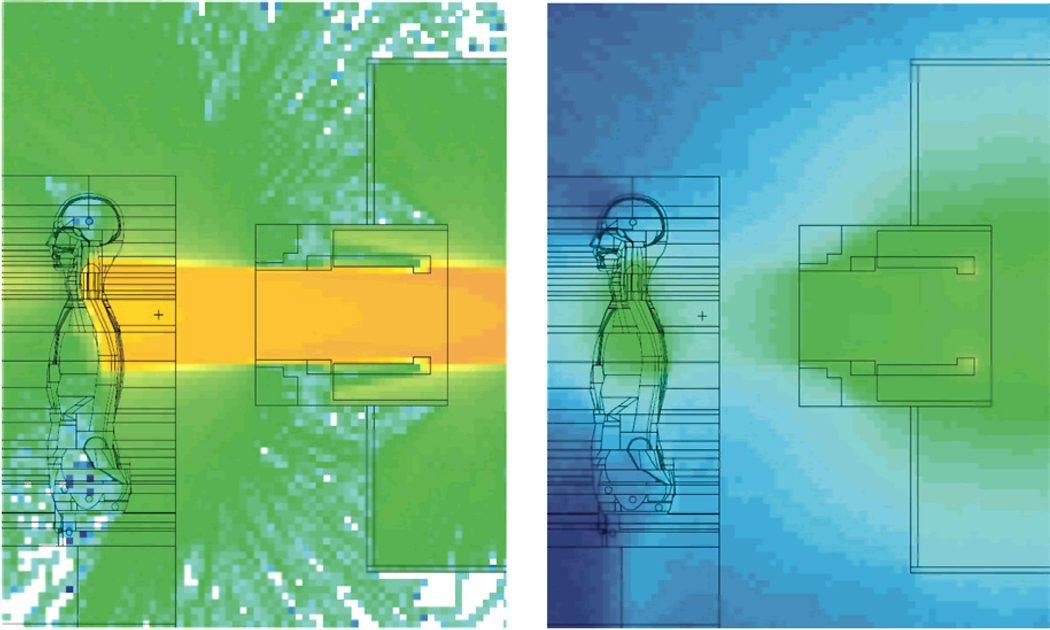
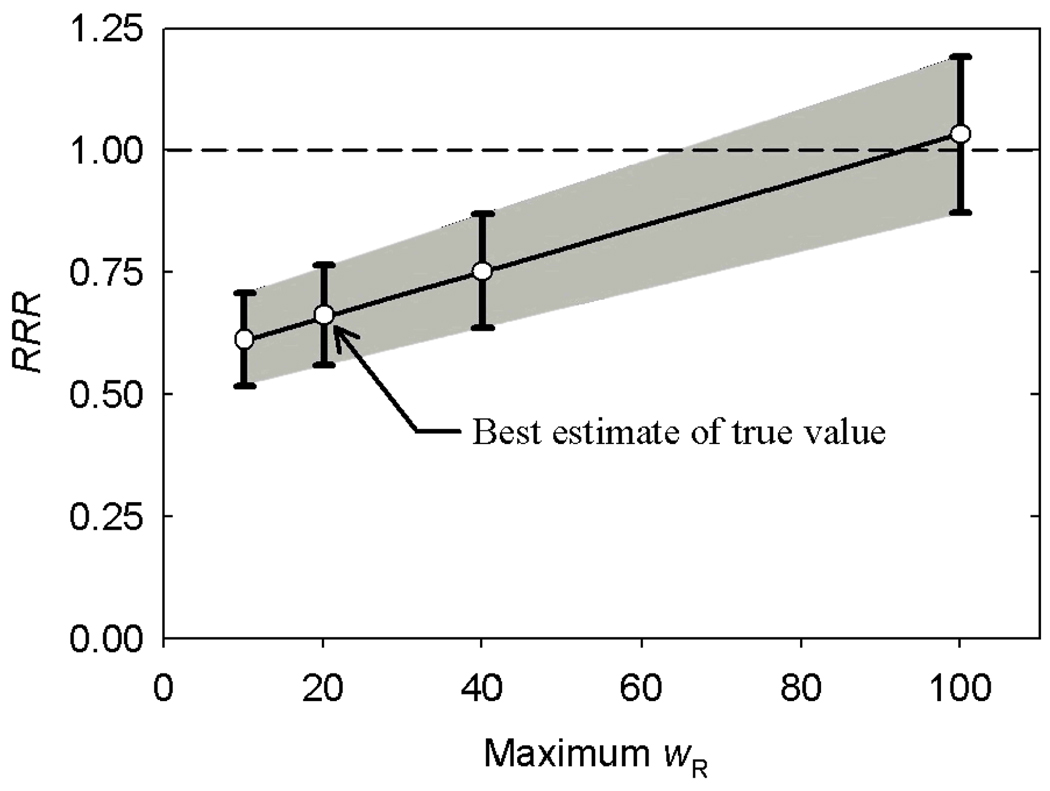
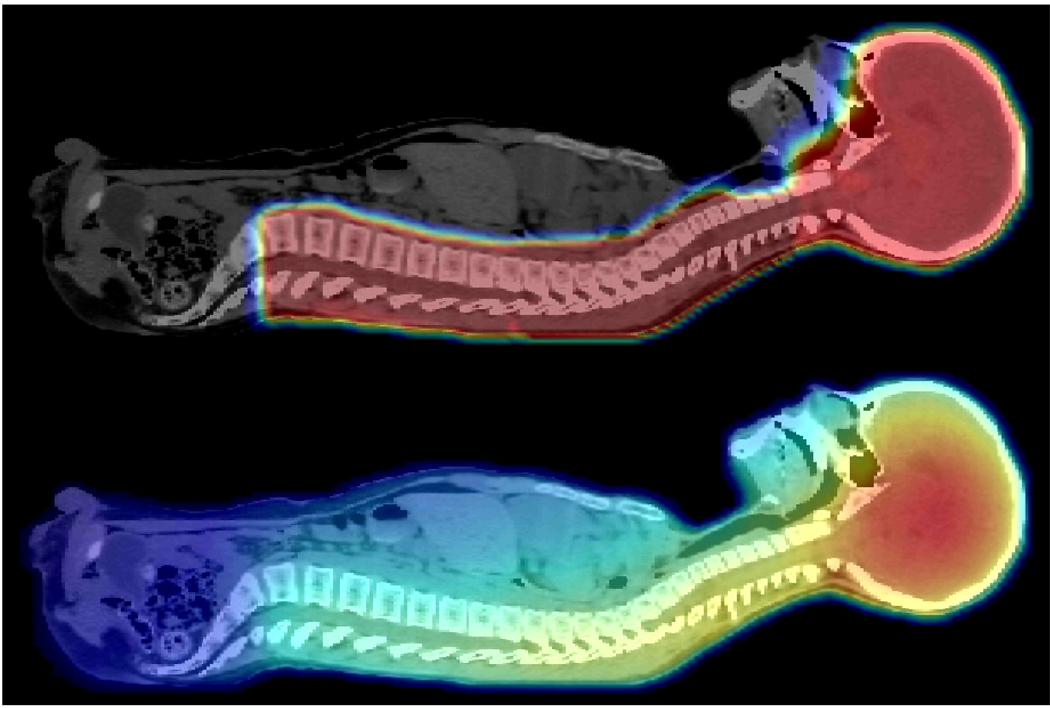
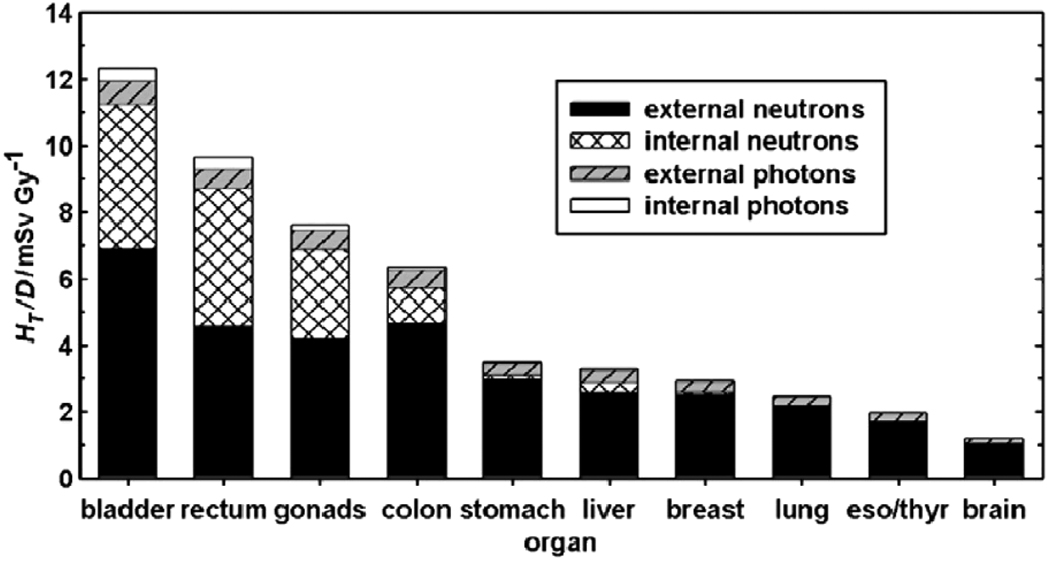
Proton beam therapy has provided safe and effective treatments for a variety of adult cancers. In recent years, there has been increasing interest in utilizing proton therapy for pediatric cancers because it allows better sparing of healthy tissues. Minimizing exposures of normal tissues is especially important in children because they are highly susceptible to consequential late effects, including the development of a radiogenic second cancer, which may occur years or even decades after treatment of the first cancer. While the dosimetric advantage of therapeutic proton beams is well understood, relatively little attention has been paid to the whole-body exposure to stray neutron radiation that is inherent in proton therapy. In this report, we review the physical processes that lead to neutron exposures, discuss the potential for mitigating these exposures using advanced proton beam delivery systems, and present a comparative analysis of predicted second cancer incidence following various external beam therapies. In addition, we discuss uncertainties in the relative biological effectiveness of neutrons for carcinogenesis and the impact that these uncertainties have on second-cancer risk predictions for survivors of adult and childhood cancer who receive proton therapy.
质子束治疗已为多种成人癌症提供了安全有效的治疗方法。近年来,利用质子治疗小儿癌症的兴趣日益增加,因为它能更好地保护健康组织。将正常组织的辐射暴露降至最低对儿童尤为重要,因为他们极易受到后续迟发效应的影响,包括放射性继发癌症的发生,这可能在首次癌症治疗后的数年甚至数十年后出现。虽然治疗性质子束的剂量学优势已得到充分理解,但相对较少关注质子治疗中固有的全身杂散中子辐射暴露。在本报告中,我们回顾了导致中子暴露的物理过程,讨论了使用先进质子束输送系统减轻这些暴露的可能性,并对各种外照射治疗后预测的继发癌症发病率进行了比较分析。此外,我们还讨论了中子致癌相对生物效应的不确定性,以及这些不确定性对接受质子治疗的成人和儿童癌症幸存者继发癌症风险预测的影响。