• 文献检索
  • 文档翻译
  • 深度研究
  • 学术资讯
  • Suppr Zotero 插件Zotero 插件
  • 邀请有礼
  • 套餐&价格
  • 历史记录
应用&插件
Suppr Zotero 插件Zotero 插件浏览器插件Mac 客户端Windows 客户端微信小程序
定价
高级版会员购买积分包购买API积分包
服务
文献检索文档翻译深度研究API 文档MCP 服务
关于我们
关于 Suppr公司介绍联系我们用户协议隐私条款
关注我们

Suppr 超能文献

核心技术专利:CN118964589B侵权必究
粤ICP备2023148730 号-1Suppr @ 2026

文献检索

告别复杂PubMed语法,用中文像聊天一样搜索,搜遍4000万医学文献。AI智能推荐,让科研检索更轻松。

立即免费搜索

文件翻译

保留排版,准确专业,支持PDF/Word/PPT等文件格式,支持 12+语言互译。

免费翻译文档

深度研究

AI帮你快速写综述,25分钟生成高质量综述,智能提取关键信息,辅助科研写作。

立即免费体验

具有失败风险因素的患者高度肝损伤的非手术治疗:我们是否做得太过了?

Nonoperative management of high degree hepatic trauma in the patient with risk factors for failure: have we gone too far?

作者信息

Beuran Mircea, Nego Ionuţ, Ispas Alexandru Teodor, Păun Softin, Runcanu Alexandru, Lupu Giorgica, Venter Dan

机构信息

Section Surgery, Emergency Hospital, Bucharest, Romania 8 Calea Floreasca, District 1, Bucharest, 014461, Romania.

出版信息

J Med Life. 2010 Jul-Sep;3(3):289-96.

PMID:20945820
原文链接:https://pmc.ncbi.nlm.nih.gov/articles/PMC3018996/
Abstract

BACKGROUND

Nonoperative management (NOM) of liver trauma is currently rather the rule than the exception. However, the current evidence presents subgroups of patients at higher risk for NOM failure. These patients must be treated more cautiously regarding the NOM approach.

METHOD

A case report of 3 polytrauma patients (Injury Severity Score > 17) with high-degree liver trauma managed nonoperatively.

RESULTS

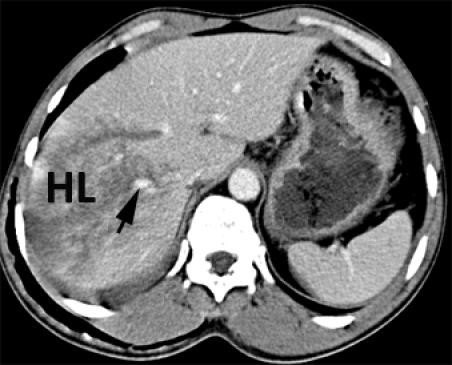
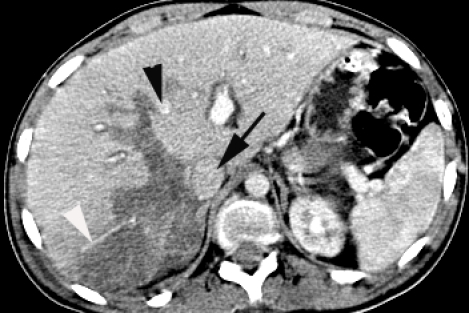
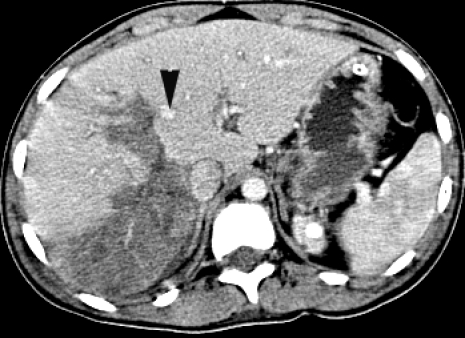
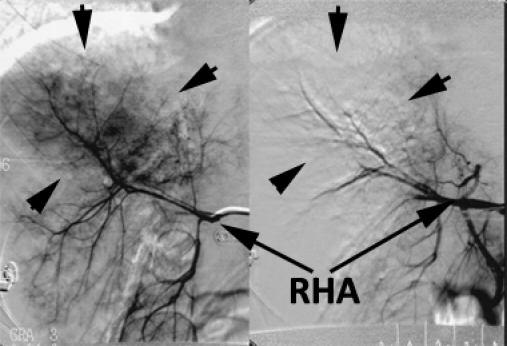
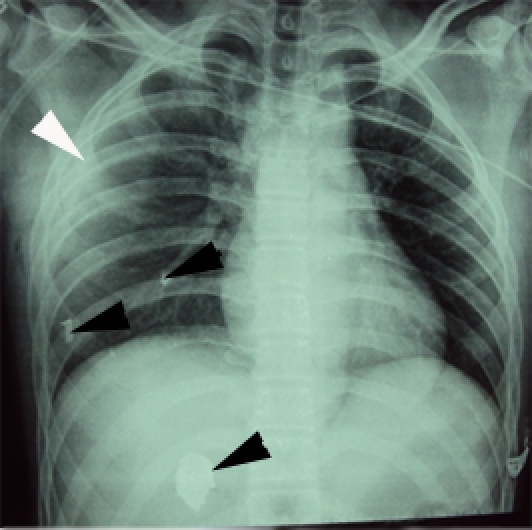
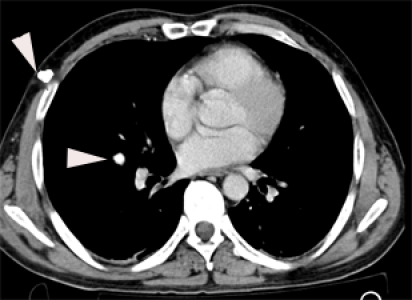
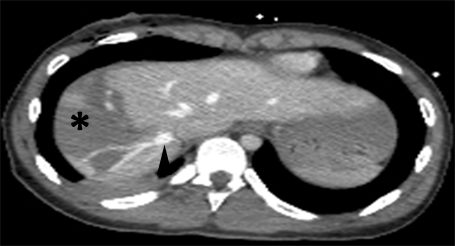
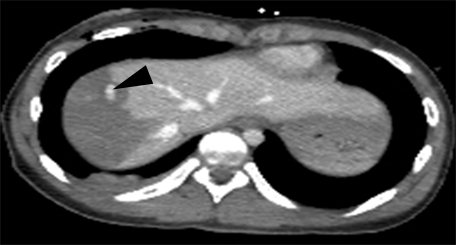
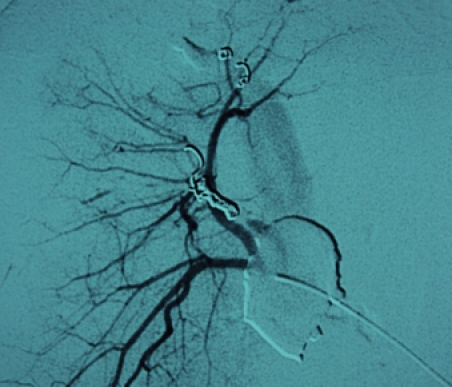
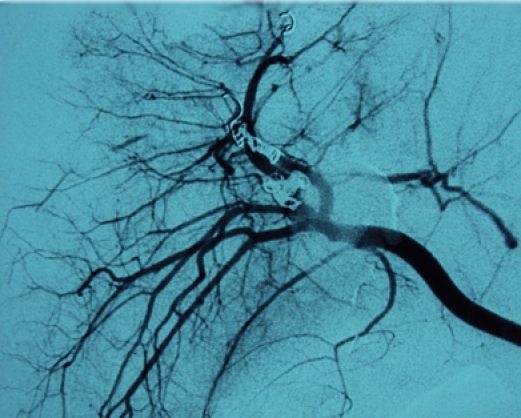
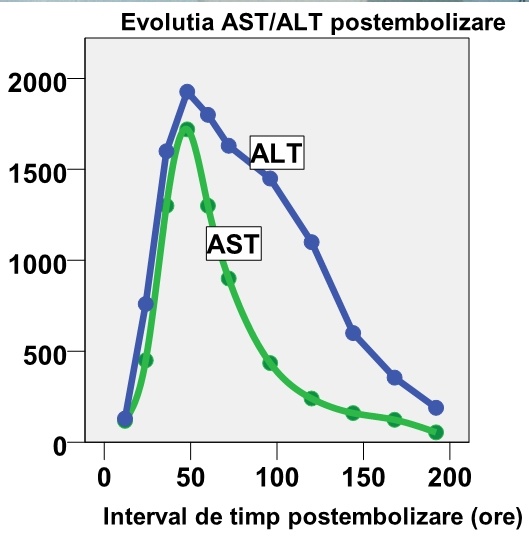
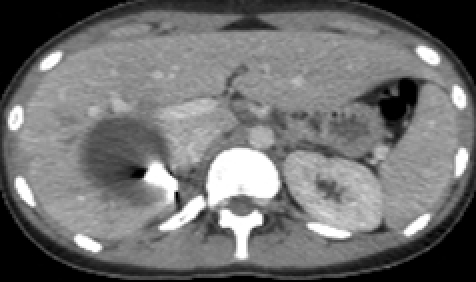
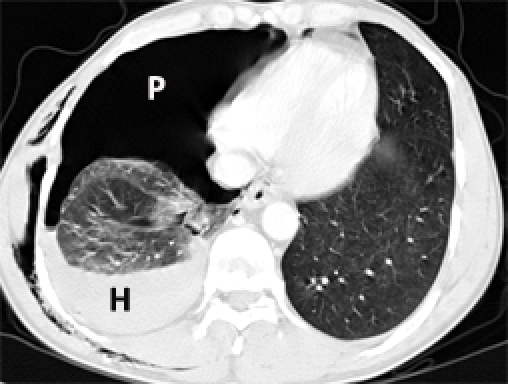
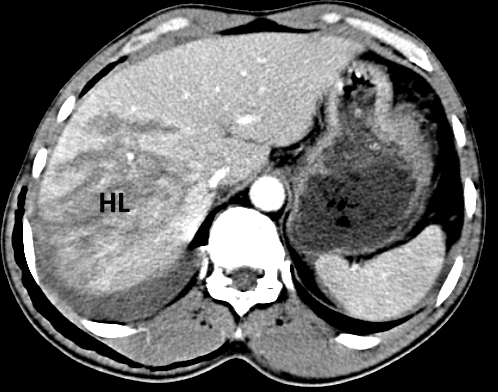
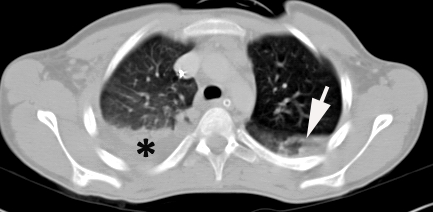
The first case presented is the one of a polytrauma patient with degree IV liver injury and impaired mental status. It was a high risk for NOM failure because there was an angiographically hemostasis. The second case is one of a polytrauma patient who became hemodynamically stable after the administration of 2000 ml of fluid intravenously. There was a nonoperative approach with angiography and embolization of degree IV liver injury. Despite the success of the nonoperative treatment, there was an important hepatic necrosis following embolization. The third case is one of a polytrauma patient with a degree IV hepatic injury. Success was accomplished in NOM without an angiography.

CONCLUSIONS

Nonoperative management of liver injuries can be applied safely even in high degree hepatic trauma. In hemodynamically metastable patients or impaired mental status patients, the nonoperative approach can be applied successfully, but the trauma surgeon must be very cautious.

摘要

背景

目前,肝外伤的非手术治疗(NOM)已相当普遍,而非个别情况。然而,现有证据表明存在NOM失败风险较高的患者亚组。对于这些患者,在采用NOM方法时必须更加谨慎。

方法

报告3例多发伤患者(损伤严重度评分>17)伴有严重肝外伤且采用非手术治疗的病例。

结果

首例病例是一名多发伤患者,肝脏损伤为IV级且意识状态受损。由于血管造影显示有止血情况,该病例NOM失败风险较高。第二例病例是一名多发伤患者,静脉输注2000毫升液体后血流动力学稳定。对IV级肝损伤采用血管造影和栓塞的非手术方法。尽管非手术治疗成功,但栓塞后出现了重要的肝坏死。第三例病例是一名多发伤患者,肝脏损伤为IV级。未进行血管造影的NOM取得了成功。

结论

即使在严重肝外伤中,肝损伤的非手术治疗也可安全应用。对于血流动力学稳定或意识状态受损的患者,非手术方法可成功应用,但创伤外科医生必须非常谨慎。
https://cdn.ncbi.nlm.nih.gov/pmc/blobs/b7c9/3018996/3819709fa1a1/JMedLife-03-289-g0020.jpg
https://cdn.ncbi.nlm.nih.gov/pmc/blobs/b7c9/3018996/89b686f1e30f/JMedLife-03-289-g001.jpg
https://cdn.ncbi.nlm.nih.gov/pmc/blobs/b7c9/3018996/4af677dcb1ce/JMedLife-03-289-g002.jpg
https://cdn.ncbi.nlm.nih.gov/pmc/blobs/b7c9/3018996/a3eb9a39774f/JMedLife-03-289-g003.jpg
https://cdn.ncbi.nlm.nih.gov/pmc/blobs/b7c9/3018996/a2f42a73b467/JMedLife-03-289-g004.jpg
https://cdn.ncbi.nlm.nih.gov/pmc/blobs/b7c9/3018996/116f3f630db6/JMedLife-03-289-g005.jpg
https://cdn.ncbi.nlm.nih.gov/pmc/blobs/b7c9/3018996/4ced99eb28df/JMedLife-03-289-g006.jpg
https://cdn.ncbi.nlm.nih.gov/pmc/blobs/b7c9/3018996/df734442c7f9/JMedLife-03-289-g007.jpg
https://cdn.ncbi.nlm.nih.gov/pmc/blobs/b7c9/3018996/e3a393bcae40/JMedLife-03-289-g008.jpg
https://cdn.ncbi.nlm.nih.gov/pmc/blobs/b7c9/3018996/080d9d1bedfc/JMedLife-03-289-g009.jpg
https://cdn.ncbi.nlm.nih.gov/pmc/blobs/b7c9/3018996/c0393eb0b965/JMedLife-03-289-g0010.jpg
https://cdn.ncbi.nlm.nih.gov/pmc/blobs/b7c9/3018996/fdec7c0a863b/JMedLife-03-289-g0011.jpg
https://cdn.ncbi.nlm.nih.gov/pmc/blobs/b7c9/3018996/0fd71048cb83/JMedLife-03-289-g0012.jpg
https://cdn.ncbi.nlm.nih.gov/pmc/blobs/b7c9/3018996/a38bb4e35f35/JMedLife-03-289-g0013.jpg
https://cdn.ncbi.nlm.nih.gov/pmc/blobs/b7c9/3018996/3091eafbcadf/JMedLife-03-289-g0014.jpg
https://cdn.ncbi.nlm.nih.gov/pmc/blobs/b7c9/3018996/dfaee1acdcec/JMedLife-03-289-g0015.jpg
https://cdn.ncbi.nlm.nih.gov/pmc/blobs/b7c9/3018996/c4077b87a53b/JMedLife-03-289-g0016.jpg
https://cdn.ncbi.nlm.nih.gov/pmc/blobs/b7c9/3018996/a38bb4e35f35/JMedLife-03-289-g0013.jpg
https://cdn.ncbi.nlm.nih.gov/pmc/blobs/b7c9/3018996/8c548b7b1402/JMedLife-03-289-g0018.jpg
https://cdn.ncbi.nlm.nih.gov/pmc/blobs/b7c9/3018996/aecee212d8c0/JMedLife-03-289-g0019.jpg
https://cdn.ncbi.nlm.nih.gov/pmc/blobs/b7c9/3018996/3819709fa1a1/JMedLife-03-289-g0020.jpg
https://cdn.ncbi.nlm.nih.gov/pmc/blobs/b7c9/3018996/89b686f1e30f/JMedLife-03-289-g001.jpg
https://cdn.ncbi.nlm.nih.gov/pmc/blobs/b7c9/3018996/4af677dcb1ce/JMedLife-03-289-g002.jpg
https://cdn.ncbi.nlm.nih.gov/pmc/blobs/b7c9/3018996/a3eb9a39774f/JMedLife-03-289-g003.jpg
https://cdn.ncbi.nlm.nih.gov/pmc/blobs/b7c9/3018996/a2f42a73b467/JMedLife-03-289-g004.jpg
https://cdn.ncbi.nlm.nih.gov/pmc/blobs/b7c9/3018996/116f3f630db6/JMedLife-03-289-g005.jpg
https://cdn.ncbi.nlm.nih.gov/pmc/blobs/b7c9/3018996/4ced99eb28df/JMedLife-03-289-g006.jpg
https://cdn.ncbi.nlm.nih.gov/pmc/blobs/b7c9/3018996/df734442c7f9/JMedLife-03-289-g007.jpg
https://cdn.ncbi.nlm.nih.gov/pmc/blobs/b7c9/3018996/e3a393bcae40/JMedLife-03-289-g008.jpg
https://cdn.ncbi.nlm.nih.gov/pmc/blobs/b7c9/3018996/080d9d1bedfc/JMedLife-03-289-g009.jpg
https://cdn.ncbi.nlm.nih.gov/pmc/blobs/b7c9/3018996/c0393eb0b965/JMedLife-03-289-g0010.jpg
https://cdn.ncbi.nlm.nih.gov/pmc/blobs/b7c9/3018996/fdec7c0a863b/JMedLife-03-289-g0011.jpg
https://cdn.ncbi.nlm.nih.gov/pmc/blobs/b7c9/3018996/0fd71048cb83/JMedLife-03-289-g0012.jpg
https://cdn.ncbi.nlm.nih.gov/pmc/blobs/b7c9/3018996/a38bb4e35f35/JMedLife-03-289-g0013.jpg
https://cdn.ncbi.nlm.nih.gov/pmc/blobs/b7c9/3018996/3091eafbcadf/JMedLife-03-289-g0014.jpg
https://cdn.ncbi.nlm.nih.gov/pmc/blobs/b7c9/3018996/dfaee1acdcec/JMedLife-03-289-g0015.jpg
https://cdn.ncbi.nlm.nih.gov/pmc/blobs/b7c9/3018996/c4077b87a53b/JMedLife-03-289-g0016.jpg
https://cdn.ncbi.nlm.nih.gov/pmc/blobs/b7c9/3018996/a38bb4e35f35/JMedLife-03-289-g0013.jpg
https://cdn.ncbi.nlm.nih.gov/pmc/blobs/b7c9/3018996/8c548b7b1402/JMedLife-03-289-g0018.jpg
https://cdn.ncbi.nlm.nih.gov/pmc/blobs/b7c9/3018996/aecee212d8c0/JMedLife-03-289-g0019.jpg
https://cdn.ncbi.nlm.nih.gov/pmc/blobs/b7c9/3018996/3819709fa1a1/JMedLife-03-289-g0020.jpg

相似文献

1
Nonoperative management of high degree hepatic trauma in the patient with risk factors for failure: have we gone too far?具有失败风险因素的患者高度肝损伤的非手术治疗:我们是否做得太过了?
J Med Life. 2010 Jul-Sep;3(3):289-96.
2
Nonoperative management of blunt liver injury in hemodynamically stable versus unstable patients: a retrospective study.血流动力学稳定与不稳定患者钝性肝损伤的非手术治疗:一项回顾性研究
Emerg Radiol. 2018 Dec;25(6):647-652. doi: 10.1007/s10140-018-1627-6. Epub 2018 Jul 19.
3
Nonoperative management of blunt hepatic trauma is the treatment of choice for hemodynamically stable patients. Results of a prospective trial.钝性肝外伤的非手术治疗是血流动力学稳定患者的首选治疗方法。一项前瞻性试验的结果。
Ann Surg. 1995 Jun;221(6):744-53; discussion 753-5. doi: 10.1097/00000658-199506000-00013.
4
Selective hepatic arterial embolization of grade IV and V blunt hepatic injuries: an extension of resuscitation in the nonoperative management of traumatic hepatic injuries.IV级和V级钝性肝损伤的选择性肝动脉栓塞术:创伤性肝损伤非手术治疗中复苏的扩展
J Trauma. 1998 Aug;45(2):353-8; discussion 358-9. doi: 10.1097/00005373-199808000-00025.
5
Nonoperative management of blunt hepatic injury: an Eastern Association for the Surgery of Trauma practice management guideline.钝性肝损伤的非手术治疗:东部创伤外科学会实践管理指南。
J Trauma Acute Care Surg. 2012 Nov;73(5 Suppl 4):S288-93. doi: 10.1097/TA.0b013e318270160d.
6
Prospective trial of angiography and embolization for all grade III to V blunt splenic injuries: nonoperative management success rate is significantly improved.前瞻性研究 III 至 V 级钝性脾损伤的血管造影和栓塞治疗:非手术治疗成功率显著提高。
J Am Coll Surg. 2014 Apr;218(4):644-8. doi: 10.1016/j.jamcollsurg.2014.01.040. Epub 2014 Jan 28.
7
Nonoperative management for extensive hepatic and splenic injuries with significant hemoperitoneum in adults.成人广泛肝脾损伤伴大量腹腔积血的非手术治疗
J Trauma. 1998 Aug;45(2):360-4; discussion 365. doi: 10.1097/00005373-199808000-00026.
8
Status of nonoperative management of blunt hepatic injuries in 1995: a multicenter experience with 404 patients.1995年钝性肝损伤的非手术治疗现状:404例患者的多中心经验
J Trauma. 1996 Jan;40(1):31-8. doi: 10.1097/00005373-199601000-00007.
9
Nonoperative management of blunt splenic injury in adults: there is (still) a long way to go. The results of the Bologna-Maggiore Hospital trauma center experience and development of a clinical algorithm.成人钝性脾损伤的非手术治疗:(仍)有很长的路要走。博洛尼亚-马焦雷医院创伤中心的经验及临床算法的发展成果。
Surg Today. 2015 Oct;45(10):1210-7. doi: 10.1007/s00595-014-1084-0. Epub 2014 Dec 5.
10
Selective angiographic embolization of blunt splenic traumatic injuries in adults decreases failure rate of nonoperative management.成人钝性脾创伤选择性血管造影栓塞术可降低非手术治疗的失败率。
J Trauma Acute Care Surg. 2012 May;72(5):1127-34. doi: 10.1097/TA.0b013e3182569849.

引用本文的文献

1
Selective Angiographic Embolization of Blunt Hepatic Trauma Reduces Failure Rate of Nonoperative Therapy and Incidence of Post-Traumatic Complications.选择性血管造影栓塞治疗钝性肝外伤可降低非手术治疗失败率和创伤后并发症发生率。
Med Sci Monit. 2017 Nov 20;23:5522-5533. doi: 10.12659/msm.905115.
2
Non-operative management versus operative management in high-grade blunt hepatic injury.重度钝性肝损伤的非手术治疗与手术治疗对比
Cochrane Database Syst Rev. 2015 Aug 24;2015(8):CD010989. doi: 10.1002/14651858.CD010989.pub2.

本文引用的文献

1
Trends in nonoperative management of traumatic injuries - A synopsis.创伤性损伤非手术治疗的趋势——概述
Int J Crit Illn Inj Sci. 2017 Jan-Mar;7(1):38-57. doi: 10.4103/IJCIIS.IJCIIS_7_17.
2
[Selective nonoperative management of solid abdominal visceral lesions].
Chirurgia (Bucur). 2010 May-Jun;105(3):317-26.
3
The academic challenge of teaching psychomotor skills for hemostasis of solid organ injury.
J Trauma. 2009 Mar;66(3):636-40. doi: 10.1097/TA.0b013e3181897ec5.
4
Hepatic resection in the management of complex injury to the liver.肝切除术在复杂肝损伤处理中的应用
J Trauma. 2008 Dec;65(6):1264-9; discussion 1269-70. doi: 10.1097/TA.0b013e3181904749.
5
Safety of early mobilization of patients with blunt solid organ injuries.钝性实性器官损伤患者早期活动的安全性
Arch Surg. 2008 Oct;143(10):972-6; discussion 977. doi: 10.1001/archsurg.143.10.972.
6
Eleven years of liver trauma: the Scottish experience.十一年的肝脏创伤:苏格兰的经验
World J Surg. 2005 Jun;29(6):744-9. doi: 10.1007/s00268-005-7752-x.
7
CT in blunt liver trauma.钝性肝外伤的CT检查
Radiographics. 2005 Jan-Feb;25(1):87-104. doi: 10.1148/rg.251045079.
8
High success with nonoperative management of blunt hepatic trauma: the liver is a sturdy organ.钝性肝外伤非手术治疗成功率高:肝脏是一个坚固的器官。
Arch Surg. 2003 May;138(5):475-80; discussion 480-1. doi: 10.1001/archsurg.138.5.475.
9
Technology-driven triage of abdominal trauma: the emerging era of nonoperative management.技术驱动的腹部创伤分诊:非手术治疗的新兴时代
Annu Rev Med. 2003;54:1-15. doi: 10.1146/annurev.med.54.101601.152512. Epub 2001 Dec 3.
10
Associated injuries in blunt solid organ trauma: implications for missed injury in nonoperative management.钝性实性器官创伤中的相关损伤:对非手术治疗中漏诊损伤的影响。
J Trauma. 2002 Aug;53(2):238-42; discussion 242-4. doi: 10.1097/00005373-200208000-00008.