Medical Research Council Epidemiology Unit and UK Clinical Research Collaboration Centre for Diet and Activity Research (CEDAR), Cambridge, UK.
BMJ. 2010 Oct 18;341:c5293. doi: 10.1136/bmj.c5293.
To determine what interventions are effective in promoting cycling, the size of the effects of interventions, and evidence of any associated benefits on overall physical activity or anthropometric measures.
Systematic review.
Published and unpublished reports in any language identified by searching 13 electronic databases, websites, reference lists, and existing systematic reviews, and papers identified by experts in the field. Review methods Controlled "before and after" experimental or observational studies of the effect of any type of intervention on cycling behaviour measured at either individual or population level.
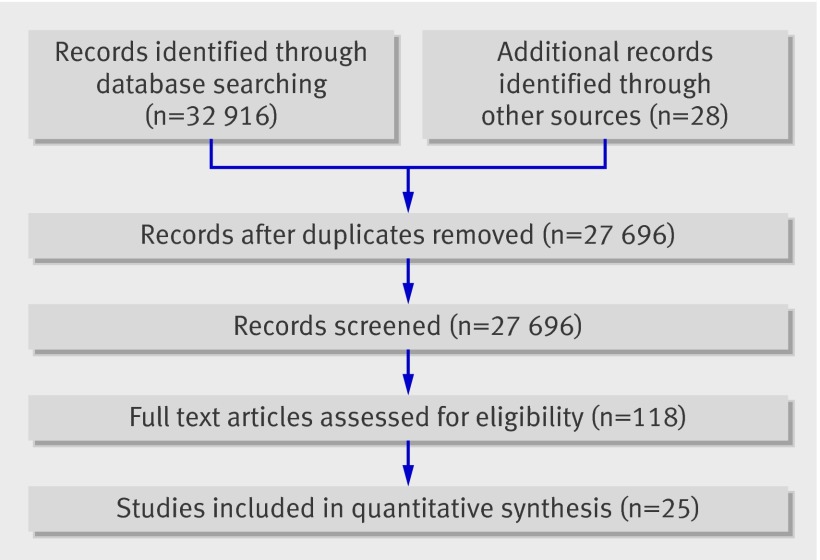
Twenty five studies (of which two were randomised controlled trials) from seven countries were included. Six studies examined interventions aimed specifically at promoting cycling, of which four (an intensive individual intervention in obese women, high quality improvements to a cycle route network, and two multifaceted cycle promotion initiatives at town or city level) were found to be associated with increases in cycling. Those studies that evaluated interventions at population level reported net increases of up to 3.4 percentage points in the population prevalence of cycling or the proportion of trips made by bicycle. Sixteen studies assessing individualised marketing of "environmentally friendly" modes of transport to interested households reported modest but consistent net effects equating to an average of eight additional cycling trips per person per year in the local population. Other interventions that targeted travel behaviour in general were not associated with a clear increase in cycling. Only two studies assessed effects of interventions on physical activity; one reported a positive shift in the population distribution of overall physical activity during the intervention.
Community-wide promotional activities and improving infrastructure for cycling have the potential to increase cycling by modest amounts, but further controlled evaluative studies incorporating more precise measures are required, particularly in areas without an established cycling culture. Studies of individualised marketing report consistent positive effects of interventions on cycling behaviour, but these findings should be confirmed using more robust study designs. Future research should also examine how best to promote cycling in children and adolescents and through workplaces. Whether interventions to promote cycling result in an increase in overall physical activity or changes in anthropometric measures is unclear.
确定哪些干预措施对促进骑行有效,干预措施的效果大小,以及任何与整体身体活动或人体测量指标相关的益处的证据。
系统评价。
以任何语言出版和未出版的报告,通过搜索 13 个电子数据库、网站、参考文献和该领域专家确定的现有系统评价进行识别。
对任何类型的干预措施对个体或人群层面骑行行为的影响进行的控制“前后”实验或观察性研究。
来自七个国家的 25 项研究(其中两项为随机对照试验)被纳入。六项研究考察了专门针对促进骑行的干预措施,其中四项(针对肥胖女性的密集个人干预、自行车路线网络的高质量改进,以及城镇或城市层面的两项多方面的骑行促进倡议)与骑行增加相关。评估人群层面干预措施的研究报告称,在人口中骑自行车的比例或骑自行车的出行比例增加了高达 3.4 个百分点。评估针对感兴趣家庭的“环保”交通方式的个性化营销的 16 项研究报告称,效果适度但一致,相当于当地居民每年每人平均额外增加 8 次骑行。针对一般出行行为的其他干预措施与骑行的明显增加无关。只有两项研究评估了干预措施对身体活动的影响;一项报告称,在干预期间,整体身体活动的人口分布发生了积极转变。
社区范围内的推广活动和改善自行车基础设施有可能适度增加骑行,但需要进行进一步的、有控制的评估性研究,特别是在没有既定骑行文化的地区。个性化营销研究报告称,干预措施对骑行行为有一致的积极影响,但这些发现需要使用更稳健的研究设计加以证实。未来的研究还应研究如何最好地在儿童和青少年以及工作场所促进骑行。干预措施促进骑行是否会导致整体身体活动增加或人体测量指标变化尚不清楚。