Afrimzon Elena, Zurgil Naomi, Shafran Yana, Ehrhart Friederike, Namer Yaniv, Moshkov Sergei, Sobolev Maria, Deutsch Assaf, Howitz Steffen, Greuner Martin, Thaele Michael, Meiser Ina, Zimmermann Heiko, Deutsch Mordechai
The Biophysical Interdisciplinary Schottenstein Center for the Research and Technology of the Cellome, Bar-Ilan University, Ramat Gan, Israel.
BMC Cell Biol. 2010 Oct 25;11:83. doi: 10.1186/1471-2121-11-83.
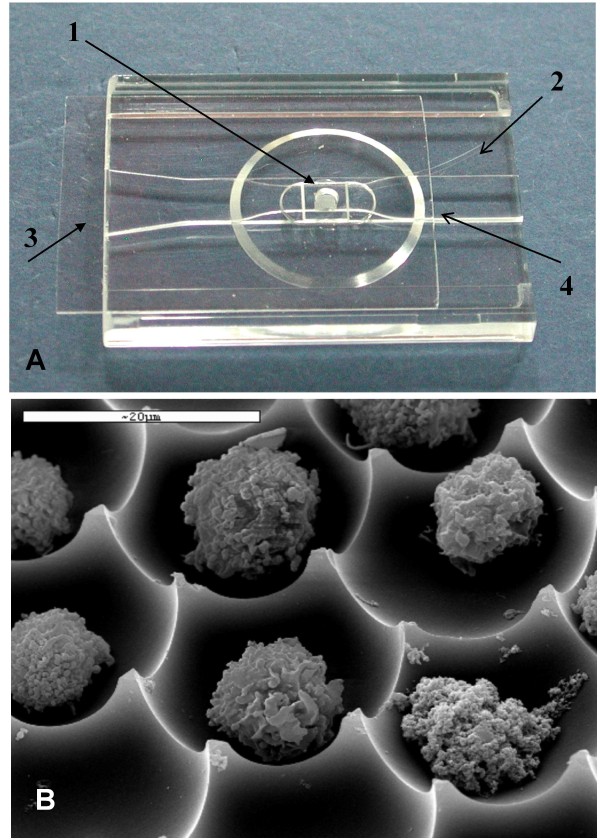
The cryopreservation and thawing processes are known to induce many deleterious effects in cells and might be detrimental to several cell types. There is an inherent variability in cellular responses among cell types and within individual cells of a given population with regard to their ability to endure the freezing and thawing process. The aim of this study was to evaluate the fate of cryopreserved cells within an optical cryo apparatus, the individual-cell-based cryo-chip (i3C), by monitoring several basic cellular functional activities at the resolution of individual cells.
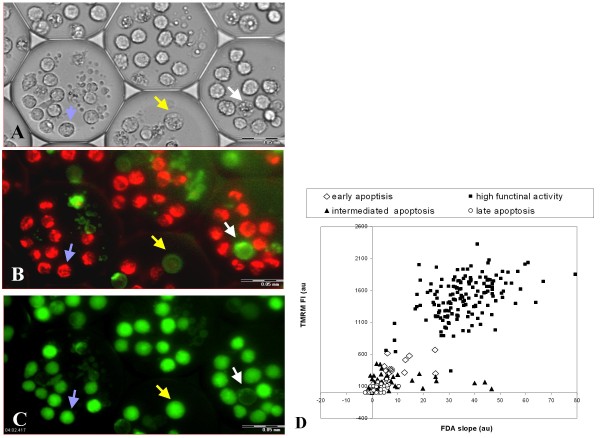
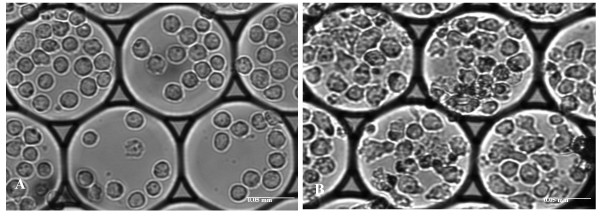
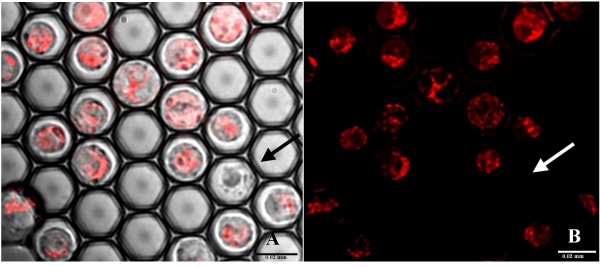
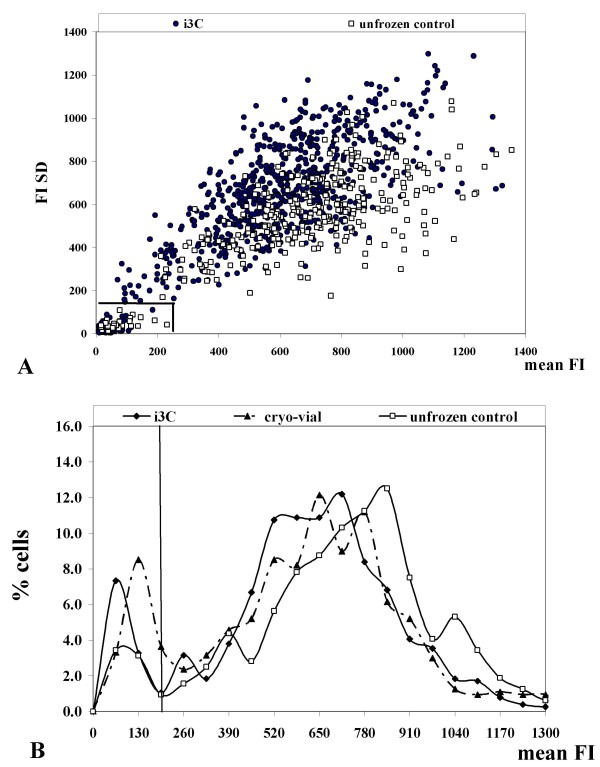
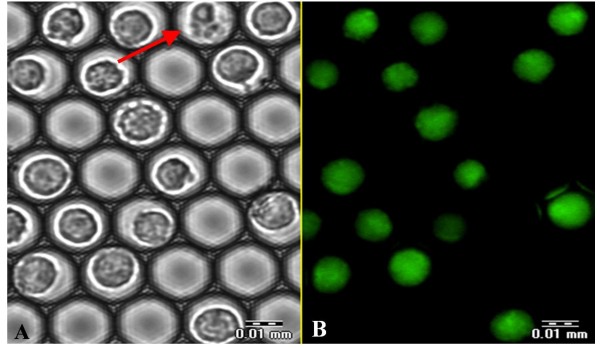
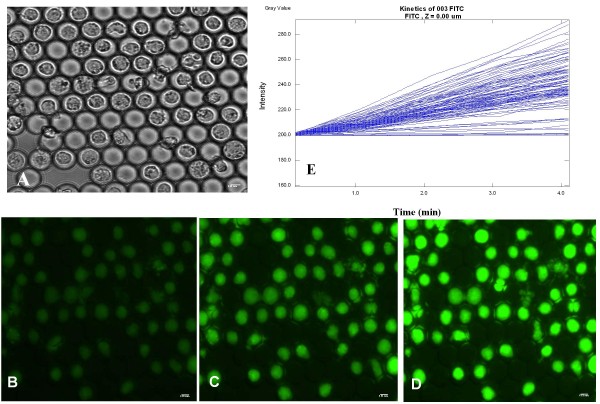
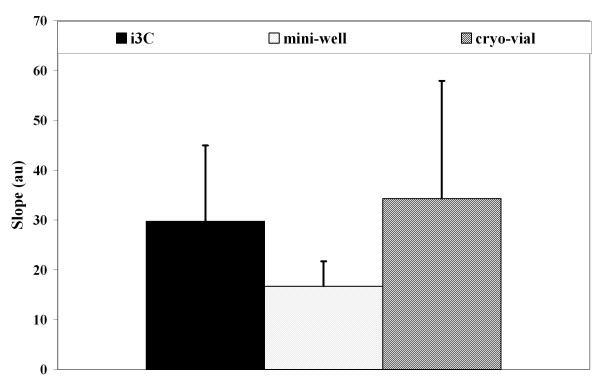
In the present study, U937 cells underwent the freezing and thawing cycle in the i3C device. Then a panel of vital tests was performed, including the number of dead cells (PI staining), apoptotic rate (Annexin V staining), mitochondrial membrane potential (TMRM staining), cytoplasm membrane integrity and intracellular metabolism (FDA staining), as well as post-thawing cell proliferation assays. Cells that underwent the freezing - thawing cycle in i3C devices exhibited the same functional activity as control cells. Moreover, the combination of the multi-parametric analysis at a single cell resolution and the optical and biological features of the device enable an accurate determination of the functional status of individual cells and subsequent retrieval and utilization of the most valuable cells.
The means and methodologies described here enable the freezing and thawing of spatially identifiable cells, as well as the efficient detection of viable, specific, highly biologically active cells for future applications.
已知冷冻保存和解冻过程会在细胞中引发许多有害影响,并且可能对多种细胞类型不利。在细胞类型之间以及给定群体的单个细胞内,关于其耐受冷冻和解冻过程的能力,细胞反应存在内在变异性。本研究的目的是通过在单个细胞分辨率下监测几种基本的细胞功能活动,评估光学冷冻装置(基于单个细胞的冷冻芯片,即i3C)中冷冻保存细胞的命运。
在本研究中,U937细胞在i3C装置中经历了冷冻和解冻循环。然后进行了一系列重要测试,包括死细胞数量(PI染色)、凋亡率(膜联蛋白V染色)、线粒体膜电位(TMRM染色)、细胞质膜完整性和细胞内代谢(FDA染色),以及解冻后细胞增殖测定。在i3C装置中经历冷冻 - 解冻循环的细胞表现出与对照细胞相同的功能活性。此外,在单细胞分辨率下的多参数分析与该装置的光学和生物学特性相结合,能够准确确定单个细胞的功能状态,并随后检索和利用最有价值的细胞。
本文所述的方法和技术能够实现对空间可识别细胞的冷冻和解冻,以及对有活力、特定、高生物活性细胞的高效检测,以供未来应用。