Department of Pathology and Laboratory Medicine, University of Tennessee Health Science Center, Memphis, TN, USA.
J Cancer. 2010 Oct 6;1:150-77. doi: 10.7150/jca.1.150.
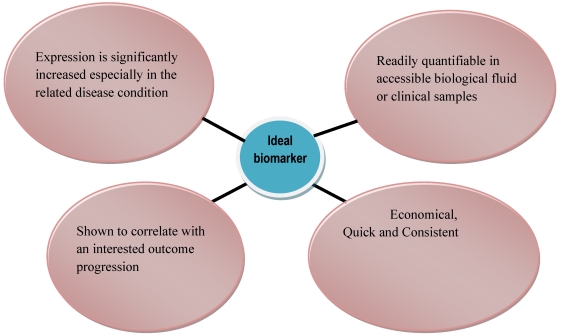
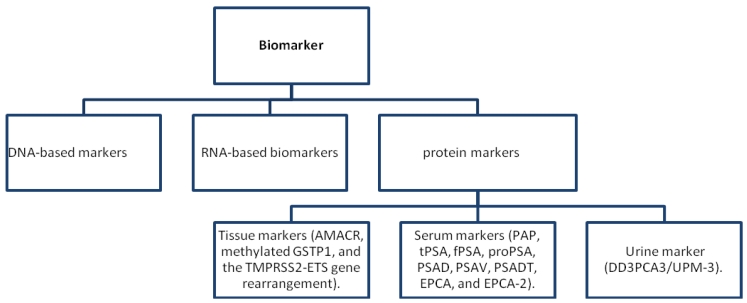
Prostate cancer is the most frequently diagnosed malignancy in American men, and a more aggressive form of the disease is particularly prevalent among African Americans. The therapeutic success rate for prostate cancer can be tremendously improved if the disease is diagnosed early. Thus, a successful therapy for this disease depends heavily on the clinical indicators (biomarkers) for early detection of the presence and progression of the disease, as well as the prediction after the clinical intervention. However, the current clinical biomarkers for prostate cancer are not ideal as there remains a lack of reliable biomarkers that can specifically distinguish between those patients who should be treated adequately to stop the aggressive form of the disease and those who should avoid overtreatment of the indolent form.A biomarker is a characteristic that is objectively measured and evaluated as an indicator of normal biologic processes, pathogenic processes, or pharmacologic responses to a therapeutic intervention. A biomarker reveals further information to presently existing clinical and pathological analysis. It facilitates screening and detecting the cancer, monitoring the progression of the disease, and predicting the prognosis and survival after clinical intervention. A biomarker can also be used to evaluate the process of drug development, and, optimally, to improve the efficacy and safety of cancer treatment by enabling physicians to tailor treatment for individual patients. The form of the prostate cancer biomarkers can vary from metabolites and chemical products present in body fluid to genes and proteins in the prostate tissues.Current advances in molecular techniques have provided new tools facilitating the discovery of new biomarkers for prostate cancer. These emerging biomarkers will be beneficial and critical in developing new and clinically reliable indicators that will have a high specificity for the diagnosis and prognosis of prostate cancer. The purpose of this review is to examine the current status of prostate cancer biomarkers, with special emphasis on emerging markers, by evaluating their diagnostic and prognostic potentials. Both genes and proteins that reveal loss, mutation, or variation in expression between normal prostate and cancerous prostate tissues will be covered in this article. Along with the discovery of prostate cancer biomarkers, we will describe the criteria used when selecting potential biomarkers for further development towards clinical use. In addition, we will address how to appraise and validate candidate markers for prostate cancer and some relevant issues involved in these processes. We will also discuss the new concept of the biomarkers, existing challenges, and perspectives of biomarker development.
前列腺癌是美国男性最常见的恶性肿瘤,而这种疾病的侵袭性形式在非裔美国人中尤为普遍。如果能早期诊断前列腺癌,其治疗成功率将大大提高。因此,这种疾病的成功治疗在很大程度上取决于用于早期发现疾病存在和进展的临床指标(生物标志物),以及临床干预后的预测。然而,目前用于前列腺癌的临床生物标志物并不理想,因为缺乏能够特异性区分哪些患者应接受充分治疗以阻止侵袭性形式的疾病,哪些患者应避免过度治疗惰性形式的疾病的可靠生物标志物。
生物标志物是一种特征,可以客观地测量和评估,作为正常生物学过程、病理过程或药物治疗反应的指标。生物标志物提供了目前存在的临床和病理分析的进一步信息。它有助于筛查和检测癌症,监测疾病的进展,并预测临床干预后的预后和生存。生物标志物还可用于评估药物开发过程,并且通过使医生能够为个体患者量身定制治疗方案,优化提高癌症治疗的疗效和安全性。前列腺癌生物标志物的形式可以从体液中存在的代谢物和化学产物到前列腺组织中的基因和蛋白质不等。
目前,分子技术的进步为发现前列腺癌的新生物标志物提供了新的工具。这些新兴的生物标志物将有助于开发新的、具有临床可靠性的指标,这些指标对前列腺癌的诊断和预后具有高度特异性,具有重要意义。本文旨在通过评估其诊断和预后潜力,检查前列腺癌生物标志物的现状,特别强调新兴标志物。本文将涵盖揭示正常前列腺和癌组织之间表达缺失、突变或变化的基因和蛋白质。
随着前列腺癌生物标志物的发现,我们将描述用于选择具有进一步开发为临床用途的潜力的潜在生物标志物的标准。此外,我们将讨论如何评估和验证前列腺癌候选标志物以及这些过程中涉及的一些相关问题。我们还将讨论生物标志物的新概念、现有挑战和生物标志物开发的观点。