Institute of Experimental Medicine, Hungarian Academy of Sciences, Budapest, H-1083, Szigony utca 43, Hungary.
Neuroscience. 2011 Feb 3;174:50-63. doi: 10.1016/j.neuroscience.2010.10.062. Epub 2010 Oct 28.
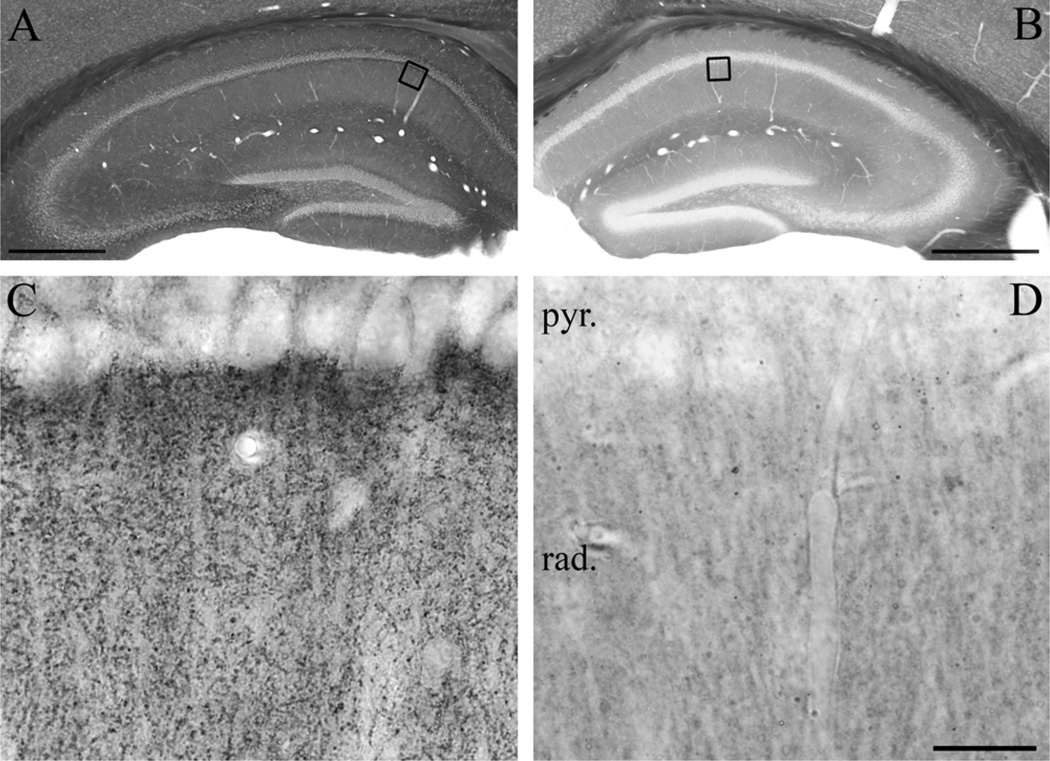
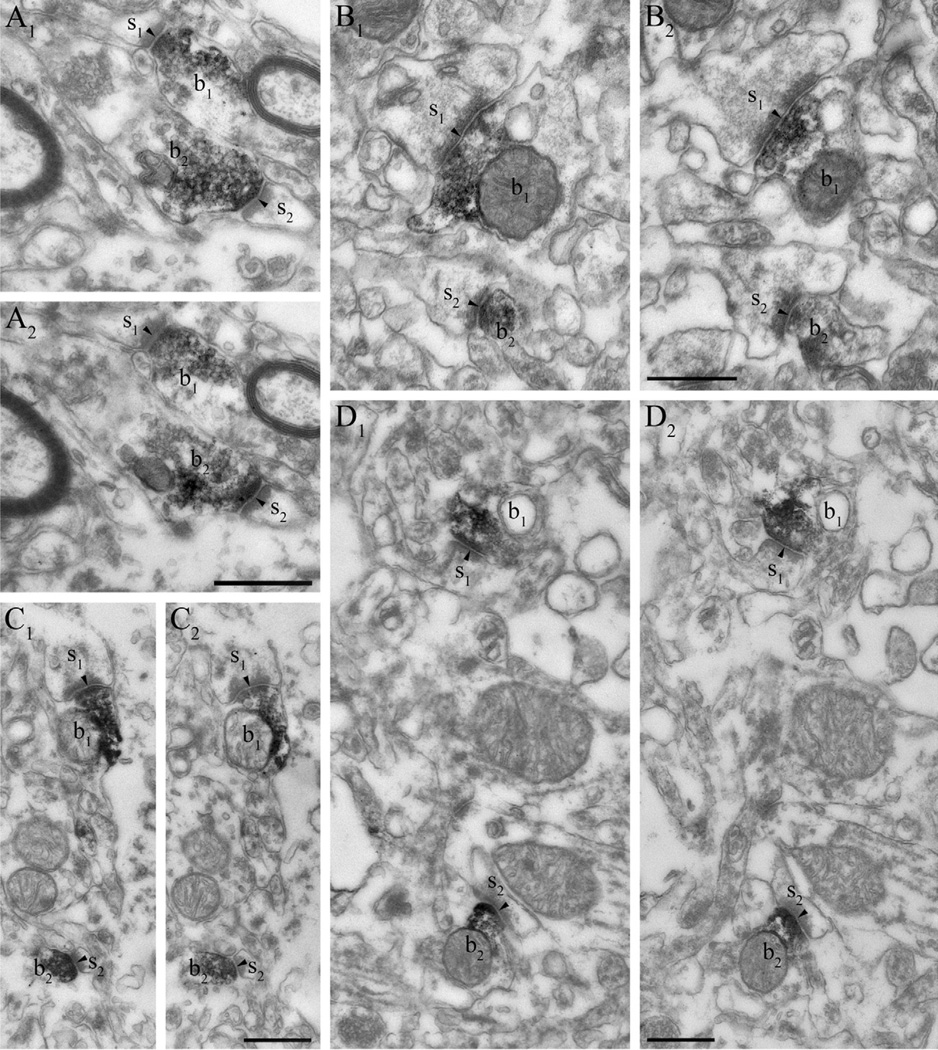
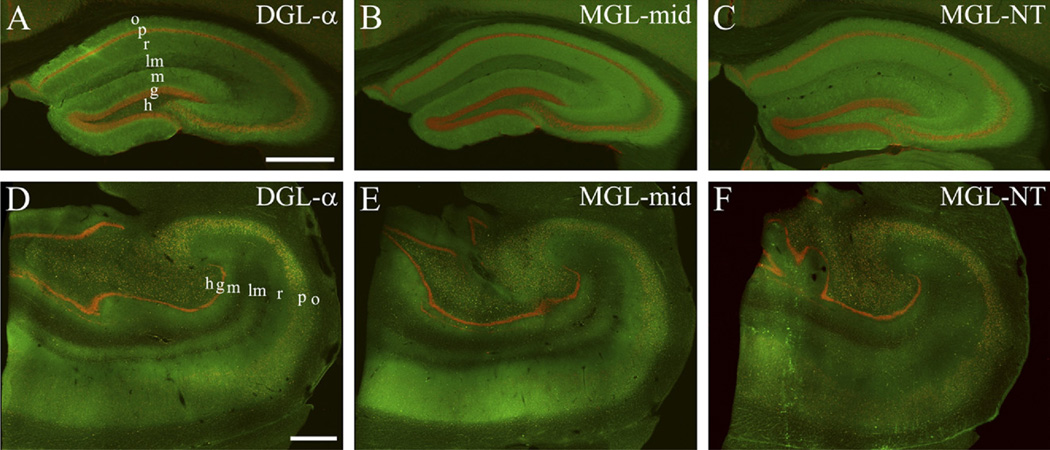
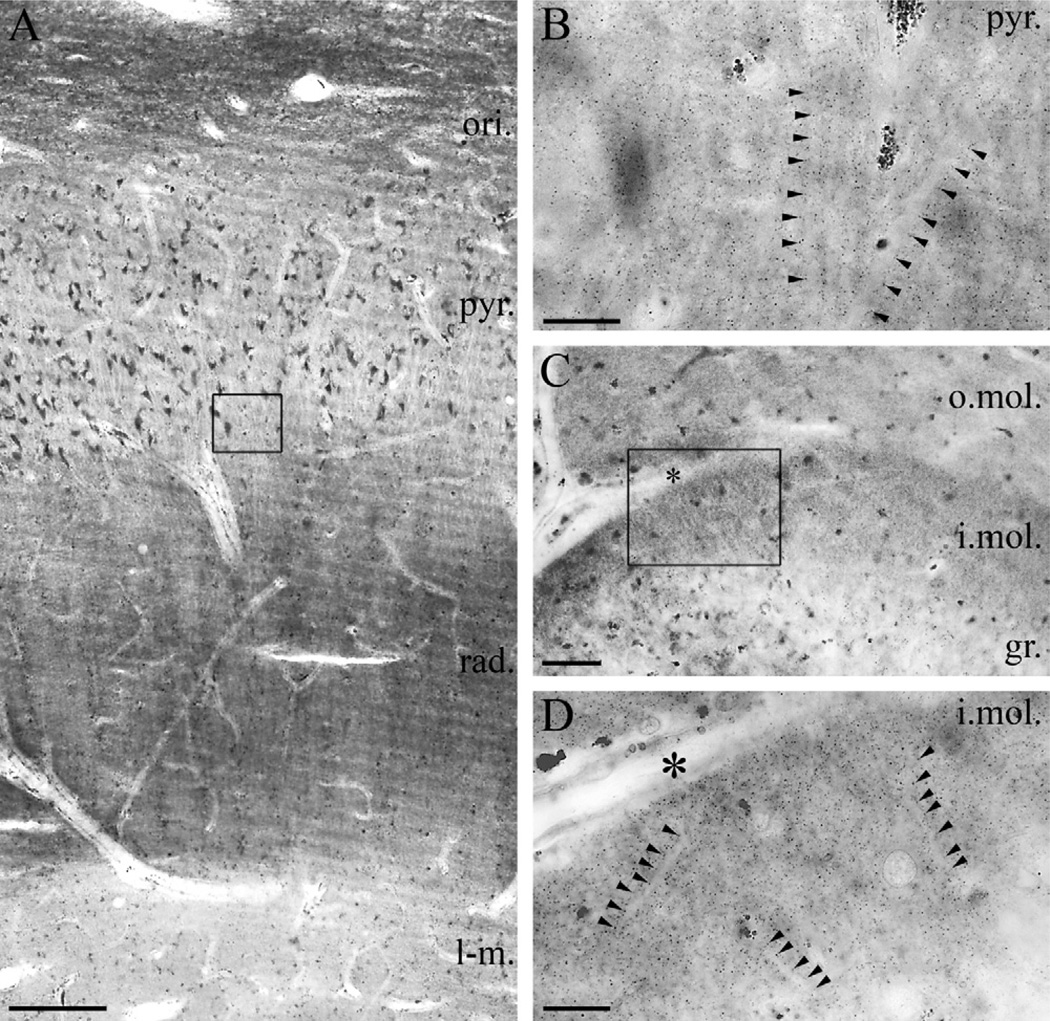
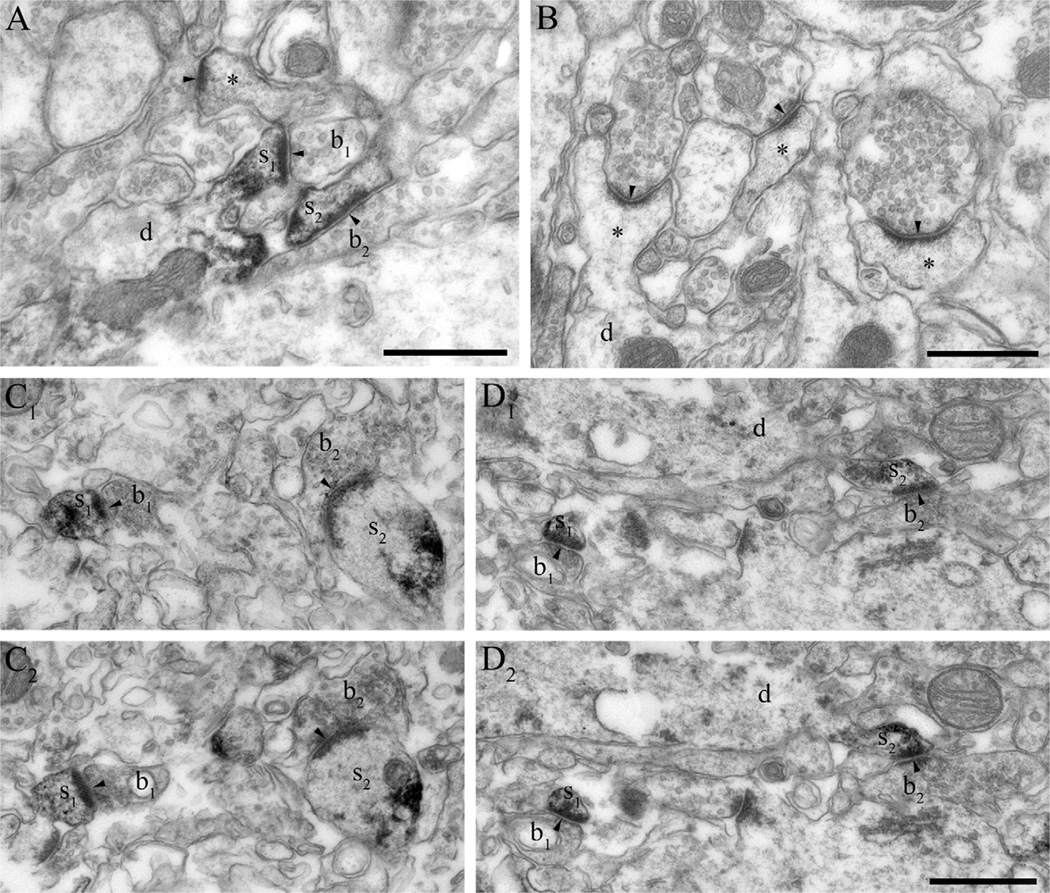
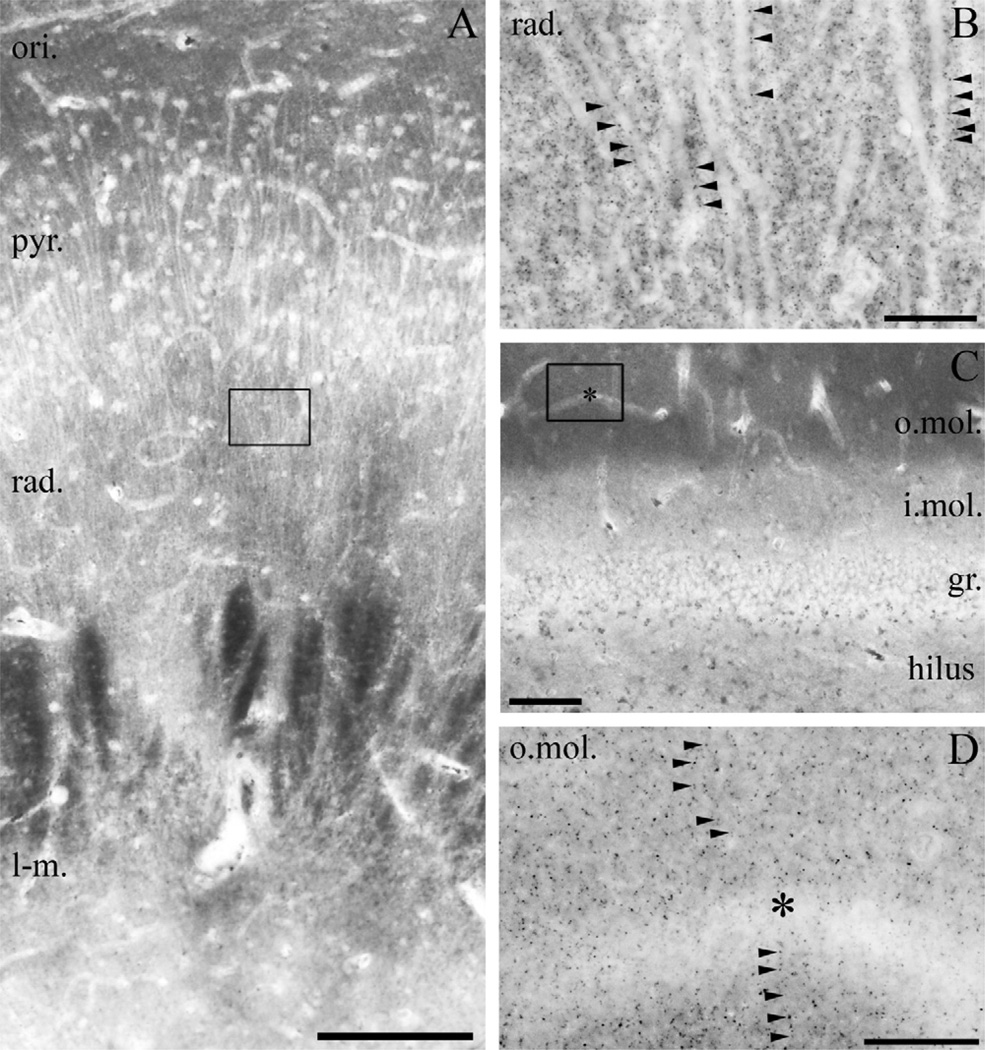
Clinical and experimental evidence demonstrates that endocannabinoids play either beneficial or adverse roles in many neurological and psychiatric disorders. Their medical significance may be best explained by the emerging concept that endocannabinoids are essential modulators of synaptic transmission throughout the central nervous system. However, the precise molecular architecture of the endocannabinoid signaling machinery in the human brain remains elusive. To address this issue, we investigated the synaptic distribution of metabolic enzymes for the most abundant endocannabinoid molecule, 2-arachidonoylglycerol (2-AG), in the postmortem human hippocampus. Immunostaining for diacylglycerol lipase-α (DGL-α), the main synthesizing enzyme of 2-AG, resulted in a laminar pattern corresponding to the termination zones of glutamatergic pathways. The highest density of DGL-α-immunostaining was observed in strata radiatum and oriens of the cornu ammonis and in the inner third of stratum moleculare of the dentate gyrus. At higher magnification, DGL-α-immunopositive puncta were distributed throughout the neuropil outlining the immunonegative main dendrites of pyramidal and granule cells. Electron microscopic analysis revealed that this pattern was due to the accumulation of DGL-α in dendritic spine heads. Similar DGL-α-immunostaining pattern was also found in hippocampi of wild-type, but not of DGL-α knockout mice. Using two independent antibodies developed against monoacylglycerol lipase (MGL), the predominant enzyme inactivating 2-AG, immunostaining also revealed a laminar and punctate staining pattern. However, as observed previously in rodent hippocampus, MGL was enriched in axon terminals instead of postsynaptic structures at the ultrastructural level. Taken together, these findings demonstrate the post- and presynaptic segregation of primary enzymes responsible for synthesis and elimination of 2-AG, respectively, in the human hippocampus. Thus, molecular architecture of the endocannabinoid signaling machinery supports retrograde regulation of synaptic activity, and its similar blueprint in rodents and humans further indicates that 2-AG's physiological role as a negative feed-back signal is an evolutionarily conserved feature of excitatory synapses.
临床和实验证据表明,内源性大麻素在许多神经和精神疾病中发挥有益或有害的作用。它们的医学意义可以通过新兴的概念来最好地解释,即内源性大麻素是整个中枢神经系统突触传递的重要调节剂。然而,人类大脑中内源性大麻素信号机制的精确分子结构仍然难以捉摸。为了解决这个问题,我们研究了代谢酶在死后人类海马体中最丰富的内源性大麻素分子 2-花生四烯酰甘油(2-AG)的突触分布。二酰基甘油脂肪酶-α(DGL-α)的免疫染色,2-AG 的主要合成酶,导致与谷氨酸能途径的终止区相对应的层状模式。DGL-α-免疫染色的最高密度出现在角回的放射层和始层以及齿状回分子层的内三分之一。在更高的放大倍数下,DGL-α-免疫阳性的小点分布在整个神经突周围,勾勒出锥体和颗粒细胞的免疫阴性主树突。电子显微镜分析表明,这种模式是由于 DGL-α在树突棘头中的积累。在野生型海马体中也发现了类似的 DGL-α-免疫染色模式,但在 DGL-α 敲除小鼠中则没有。使用两种针对单酰基甘油脂肪酶(MGL)的独立抗体,MGL 是使 2-AG 失活的主要酶,免疫染色也显示出层状和点状染色模式。然而,如先前在啮齿动物海马体中观察到的,MGL 在超微结构水平上富集在轴突末梢而不是突触后结构中。总之,这些发现表明,在人类海马体中,分别负责 2-AG 合成和消除的主要酶存在突触后和突触前分离。因此,内源性大麻素信号机制的分子结构支持突触活动的逆行调节,其在啮齿动物和人类中的相似蓝图进一步表明,2-AG 作为负反馈信号的生理作用是兴奋性突触的一个进化保守特征。