Department of Neurology and Neuroscience, Weill Cornell Medical College, NY, USA.
Eur J Neurosci. 2010 Oct;32(7):1135-44. doi: 10.1111/j.1460-9568.2010.07420.x.
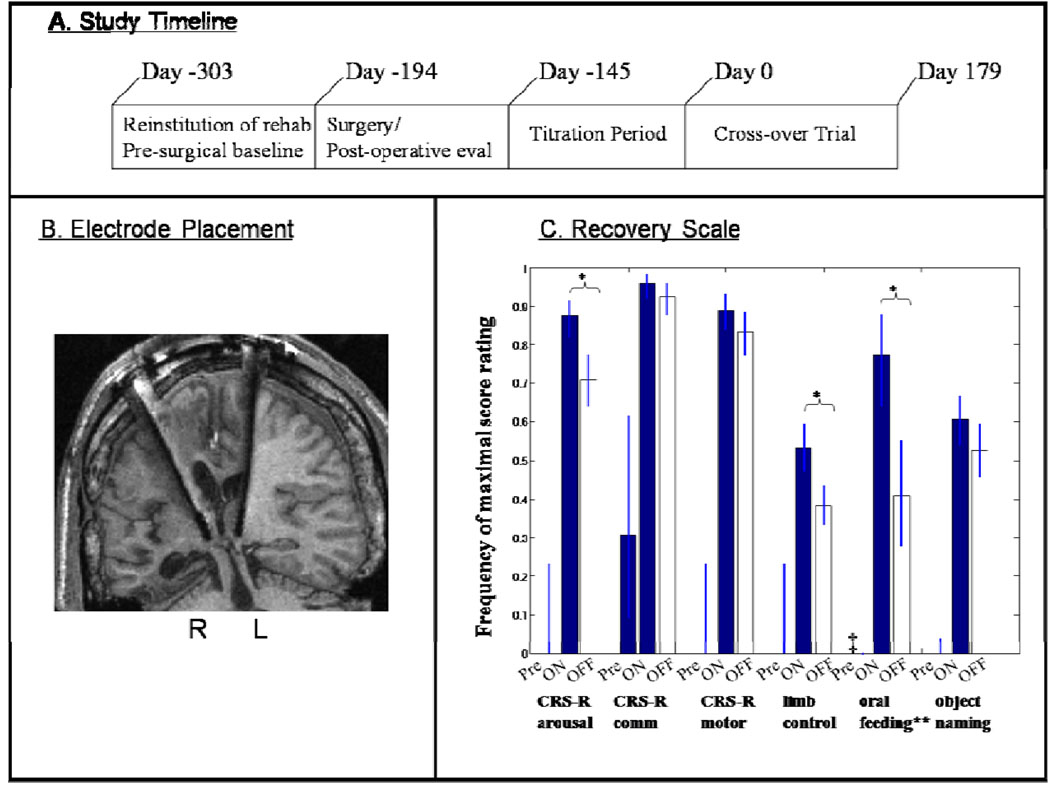
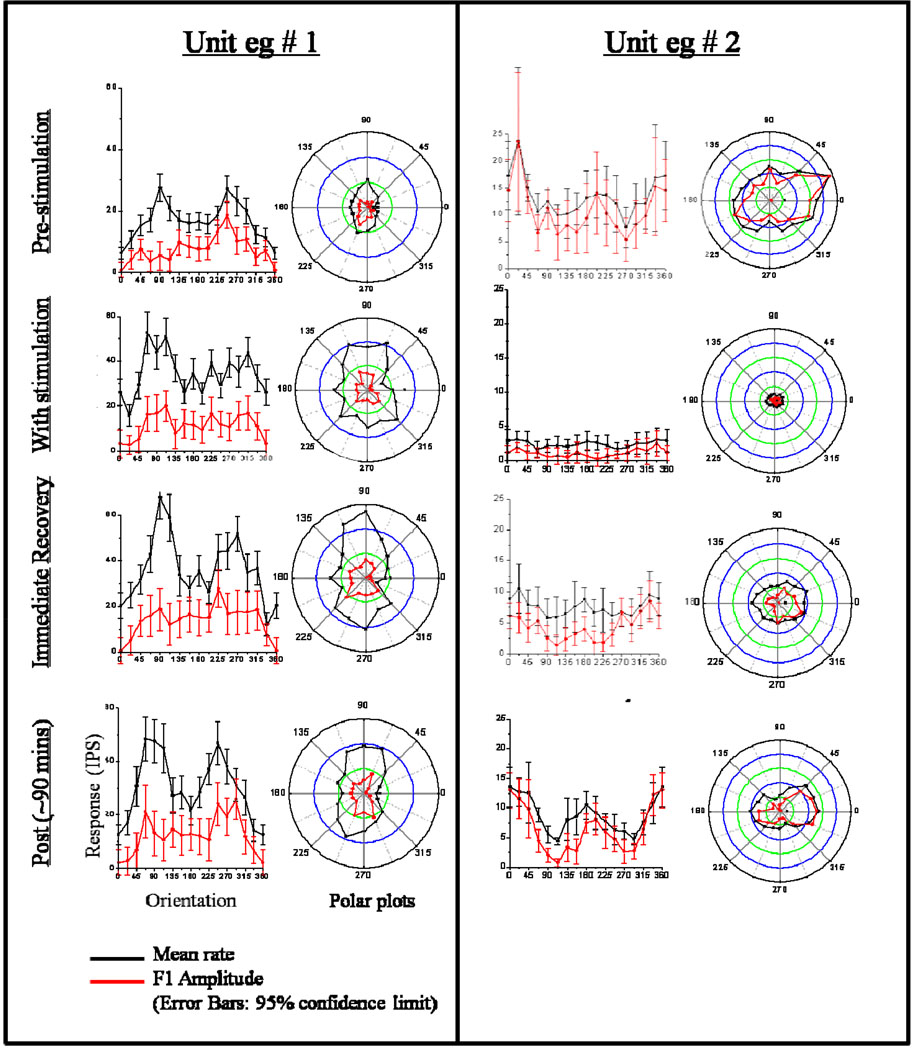
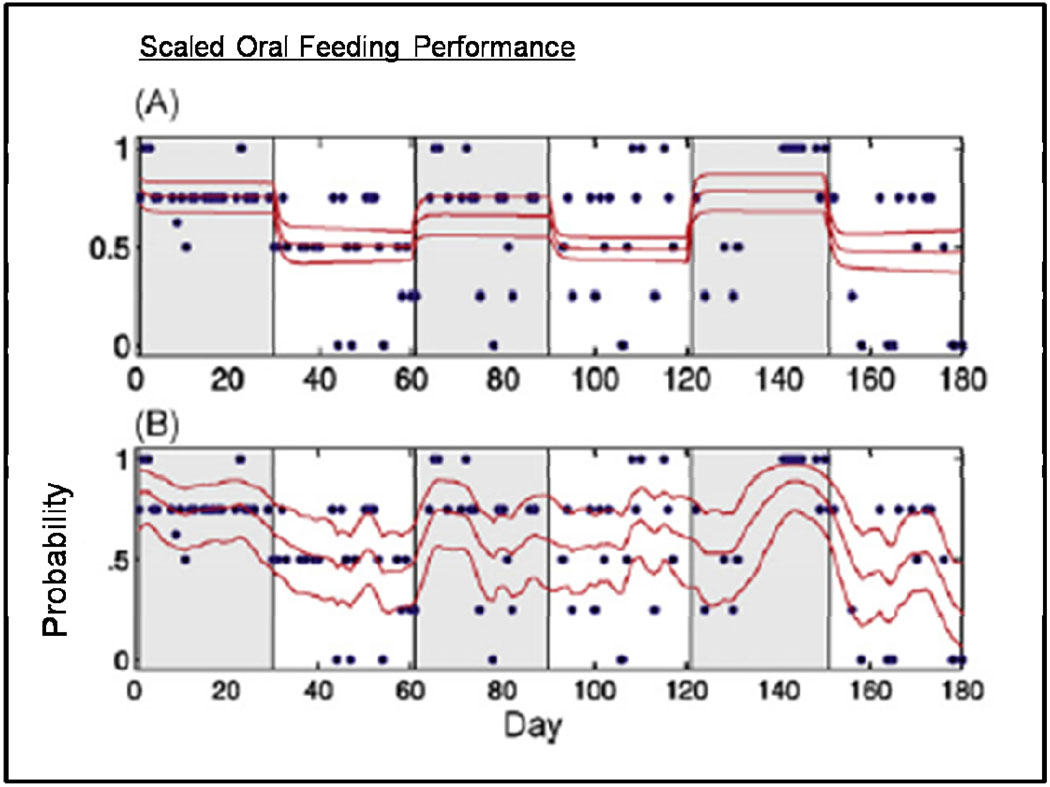
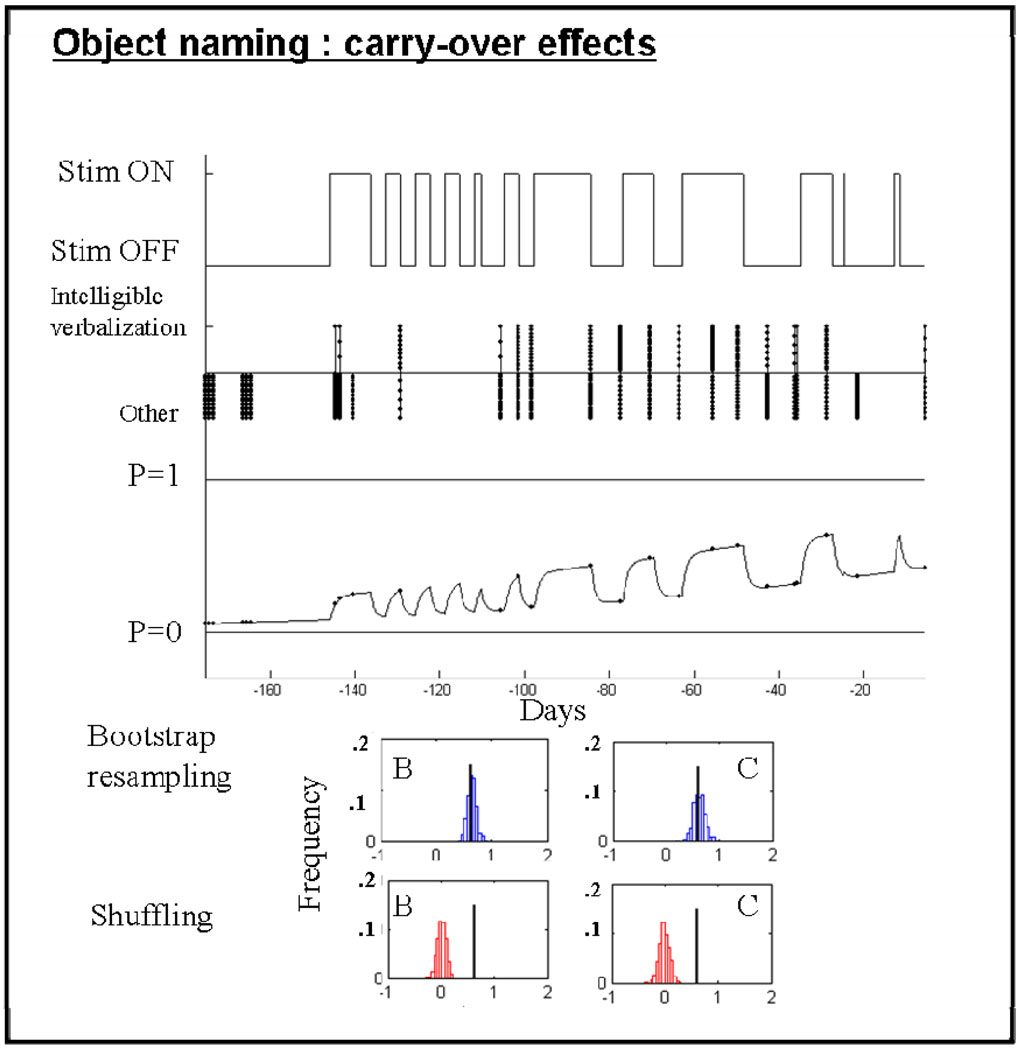
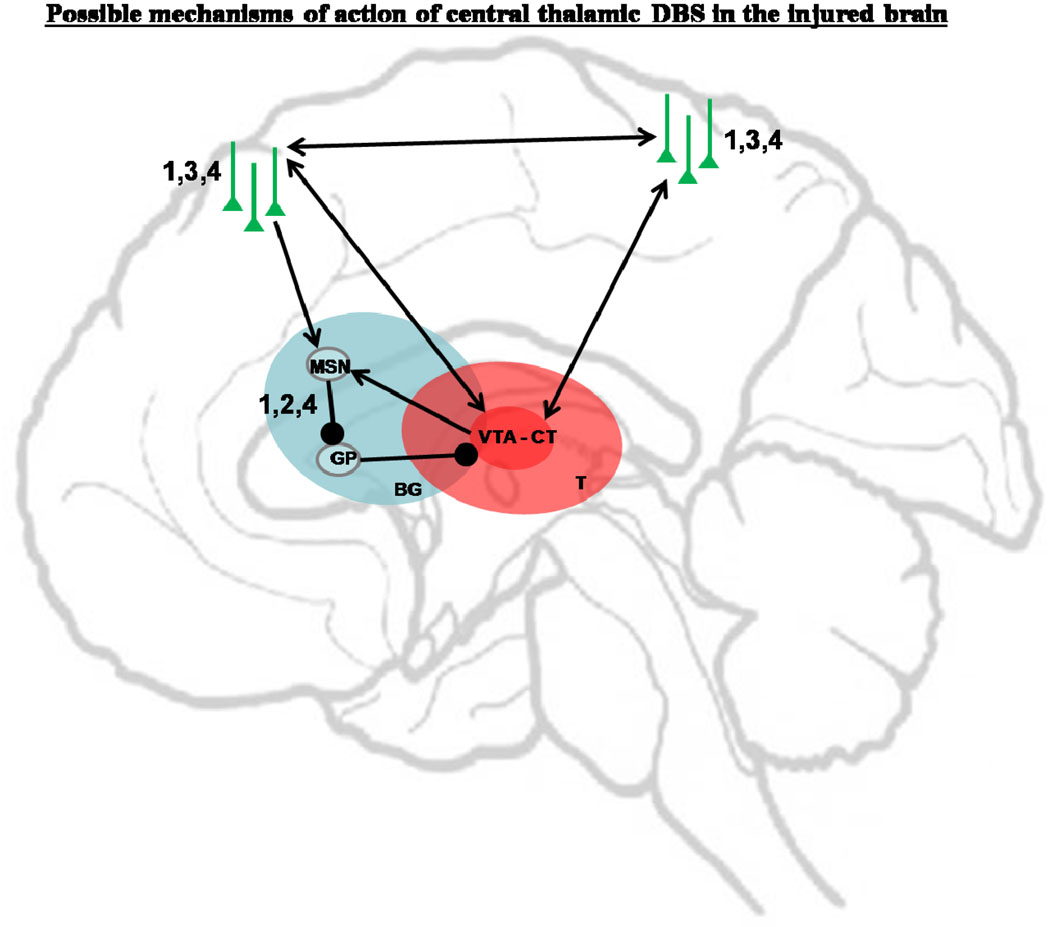
We review the history of efforts to apply central thalamic deep brain stimulation (CT/DBS) to restore consciousness in patients in a coma or vegetative state by changing the arousal state. Early experimental and clinical studies, and the results of a recent single-subject human study that demonstrated both immediate behavioral facilitation and carry-over effects of CT/DBS are reviewed. We consider possible mechanisms underlying CT/DBS effects on cognitively-mediated behaviors in conscious patients in light of the anatomical connectivity and physiological specializations of the central thalamus. Immediate and carry-over effects of CT/DBS are discussed within the context of possible effects on neuronal plasticity and gene expression. We conclude that CT/DBS should be studied as a therapeutic intervention to improve impaired cognitive function in severely brain-injured patients who, in addition to demonstrating clinical evidence of consciousness and goal-directed behavior, retain sufficient preservation of large-scale cerebral networks within the anterior forebrain. Although available data provide evidence for proof-of-concept, very significant challenges for study design and development of CT/DBS for clinical use are identified.
我们回顾了通过改变觉醒状态将丘脑中央深部脑刺激(CT/DBS)应用于昏迷或植物状态患者以恢复意识的历史。回顾了早期的实验和临床研究,以及最近一项单例人体研究的结果,该研究表明 CT/DBS 具有即时行为促进作用和持续作用。鉴于中央丘脑的解剖连接和生理特化,我们考虑了 CT/DBS 对有意识患者认知介导行为的潜在机制。在讨论 CT/DBS 的即时和持续作用时,我们考虑了其对神经元可塑性和基因表达的可能影响。我们得出的结论是,CT/DBS 应该作为一种治疗干预措施进行研究,以改善严重脑损伤患者受损的认知功能,这些患者除了表现出意识和有目标行为的临床证据外,还在前脑前部保留了足够的大脑网络的大量保存。尽管现有数据为概念验证提供了证据,但仍确定了用于 CT/DBS 临床使用的研究设计和开发的非常重大的挑战。