Department of Breast Medical Oncology, The University of Texas M.D. Anderson Cancer Center, 1155 Herman P, Pressler, CPB5.3458, Houston, TX 77030-3721, USA.
Breast Cancer Res. 2010;12 Suppl 2(Suppl 2):S1. doi: 10.1186/bcr2572. Epub 2010 Oct 22.
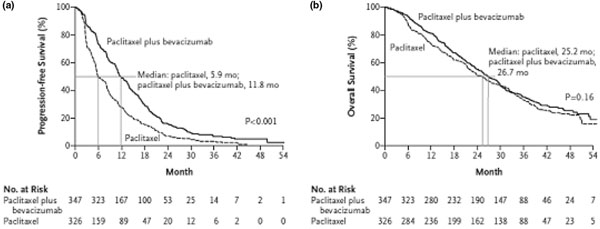
Although the introduction of novel therapies and drug combinations has improved the prognosis of metastatic breast cancer, the disease remains incurable. Increased knowledge of the biology and the molecular alterations in breast cancer has facilitated the design of targeted therapies. These agents include receptor and nonreceptor tyrosine kinase inhibitors (epidermal growth factor receptor family), intracellular signaling pathways (phosphatidylinositol-3-kinase, AKT, mammalian target of rapamycin) angiogenesis inhibitors and agents that interfere with DNA repair (poly(ADP-ribose) polymerase inhibitors). In the present review, we present the most promising studies of these new targeted therapies and novel combinations of targeted therapies with cytotoxic agents.
虽然新型治疗方法和药物组合的引入改善了转移性乳腺癌的预后,但该疾病仍然无法治愈。对乳腺癌生物学和分子改变的深入了解促进了靶向治疗的设计。这些药物包括受体和非受体酪氨酸激酶抑制剂(表皮生长因子受体家族)、细胞内信号通路(磷脂酰肌醇-3-激酶、AKT、雷帕霉素的哺乳动物靶标)、血管生成抑制剂以及干扰 DNA 修复的药物(多聚(ADP-核糖)聚合酶抑制剂)。在本综述中,我们介绍了这些新的靶向治疗方法以及靶向治疗与细胞毒性药物联合应用的最有前途的研究。