Huo Xiongwei, Li Suoni, Shi Tingting, Suo Aili, Ruan Zhiping, Guo Hui, Yao Yu
Department of General Surgery, First Affiliated Hospital of Xi'an Jiaotong University, Xi'an, Shaanxi, 710061, China.
Department of Oncology, Shaanxi Province Tumor Hospital, Xi'an, Shaanxi, 710061, China.
Oncotarget. 2015 Dec 8;6(39):41959-75. doi: 10.18632/oncotarget.5999.
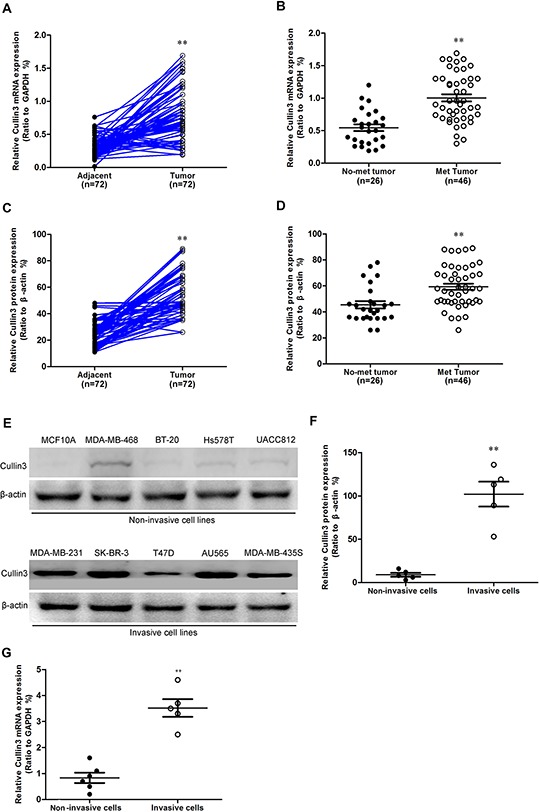
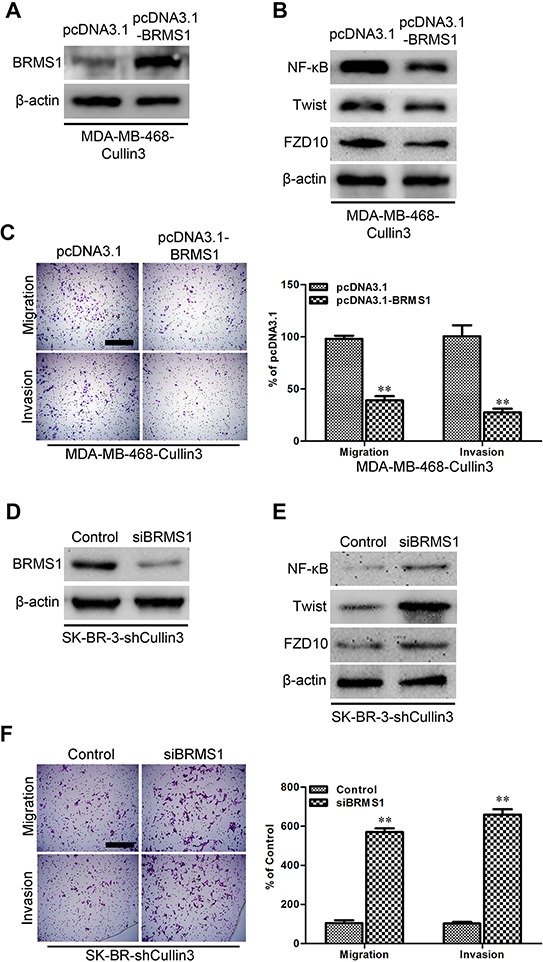
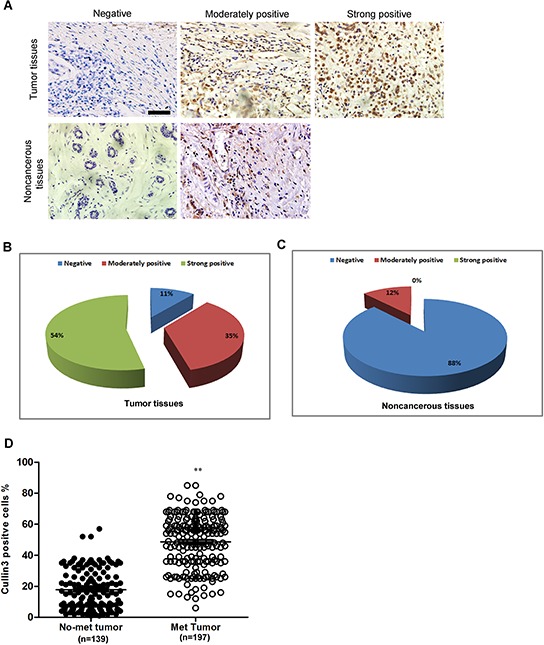
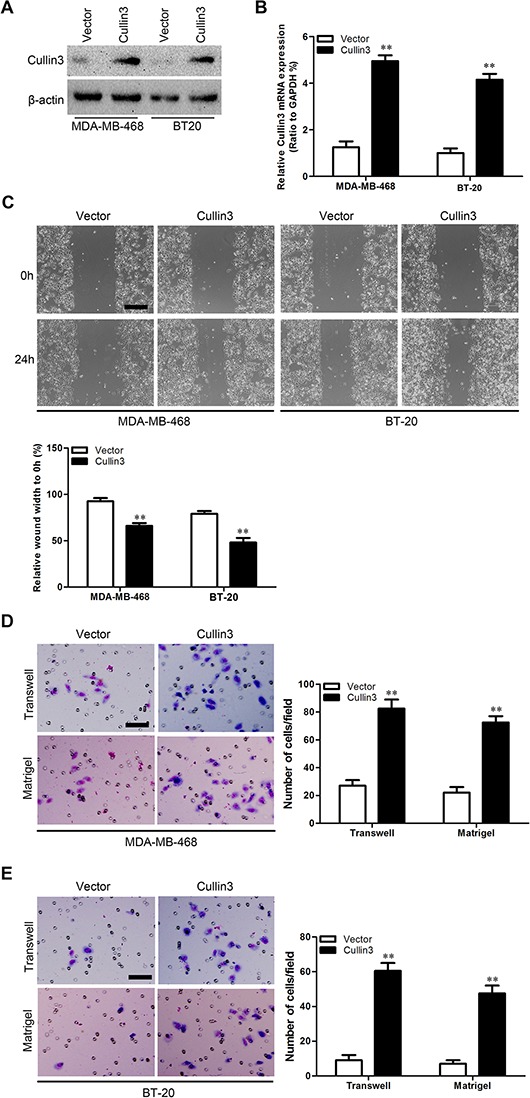
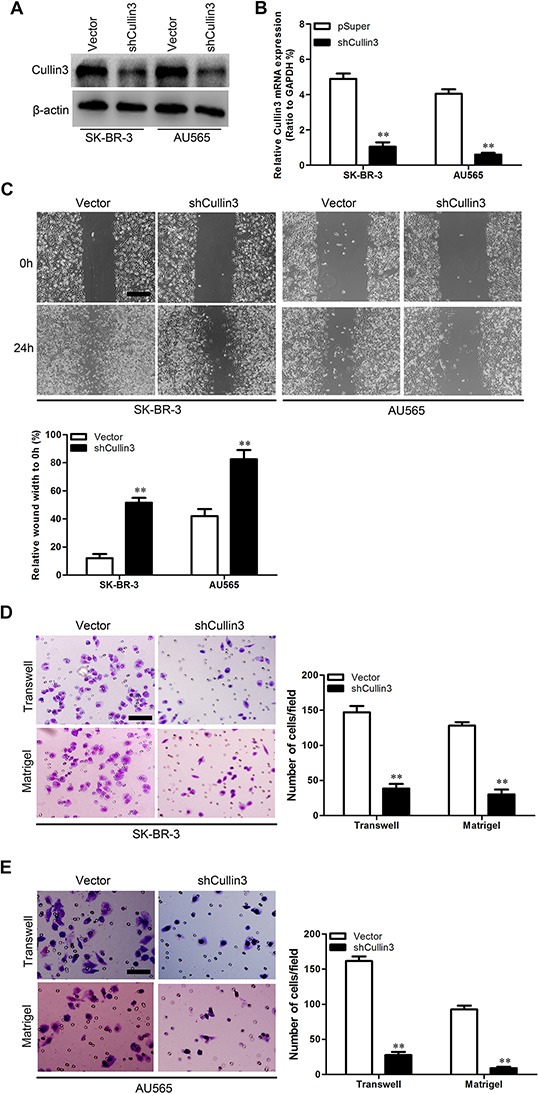
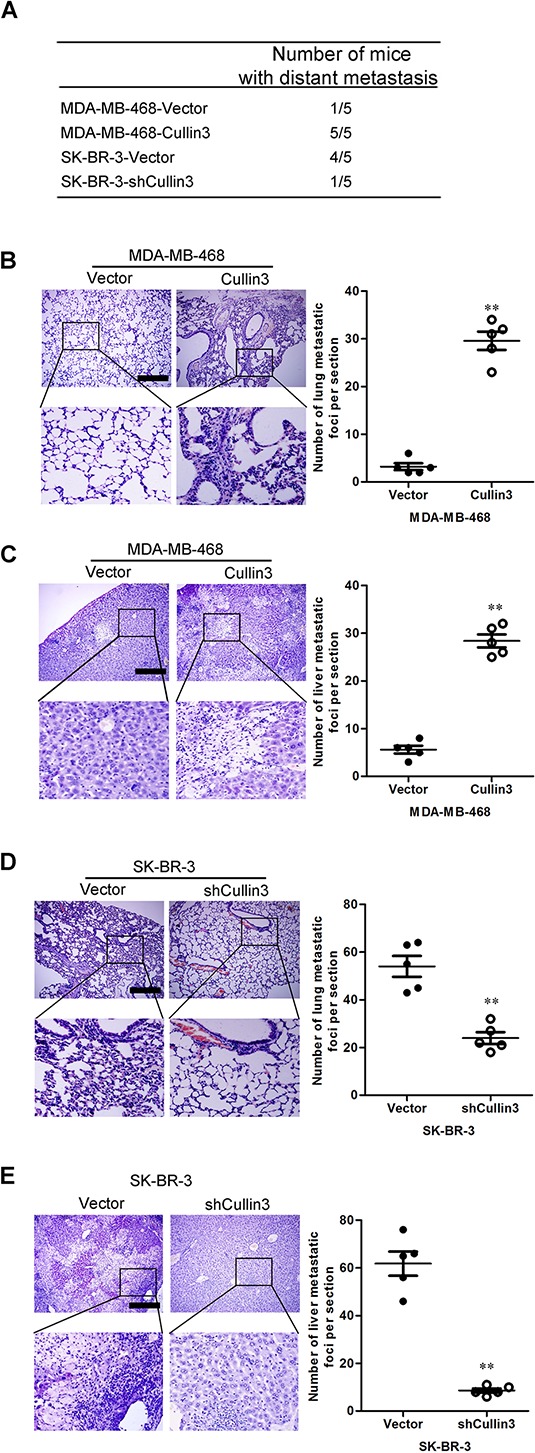
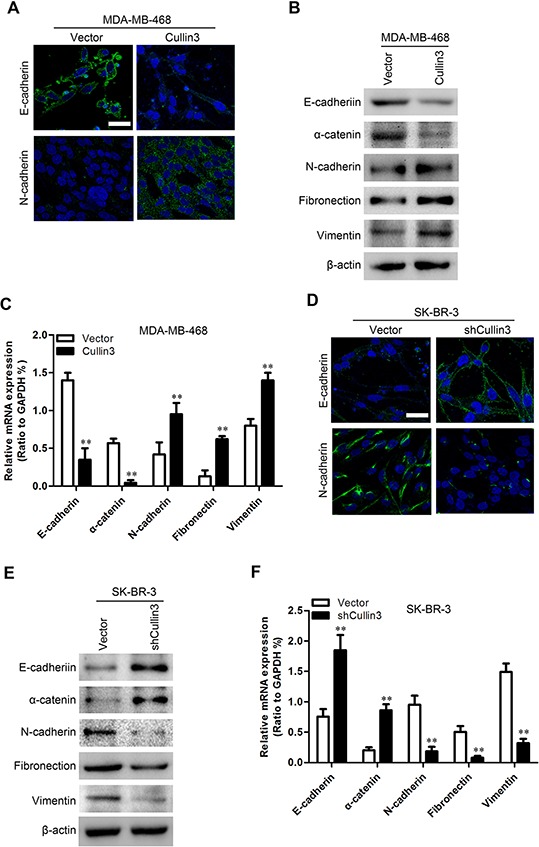
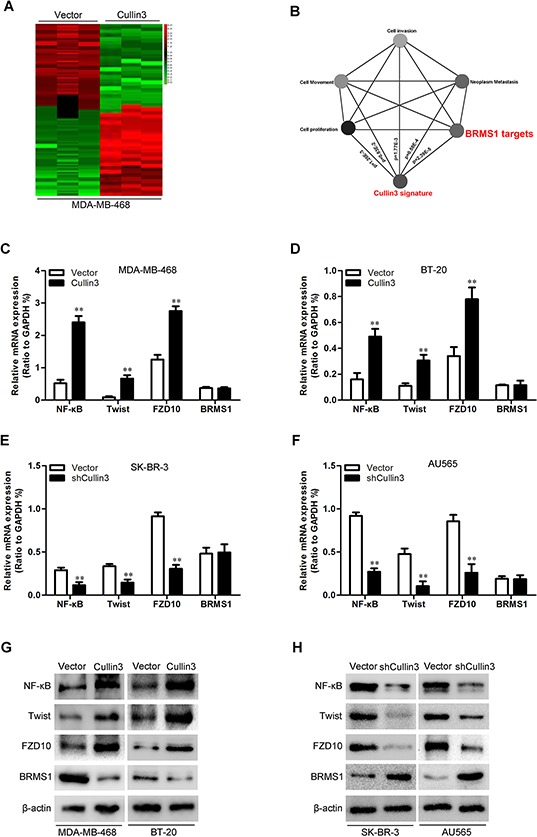
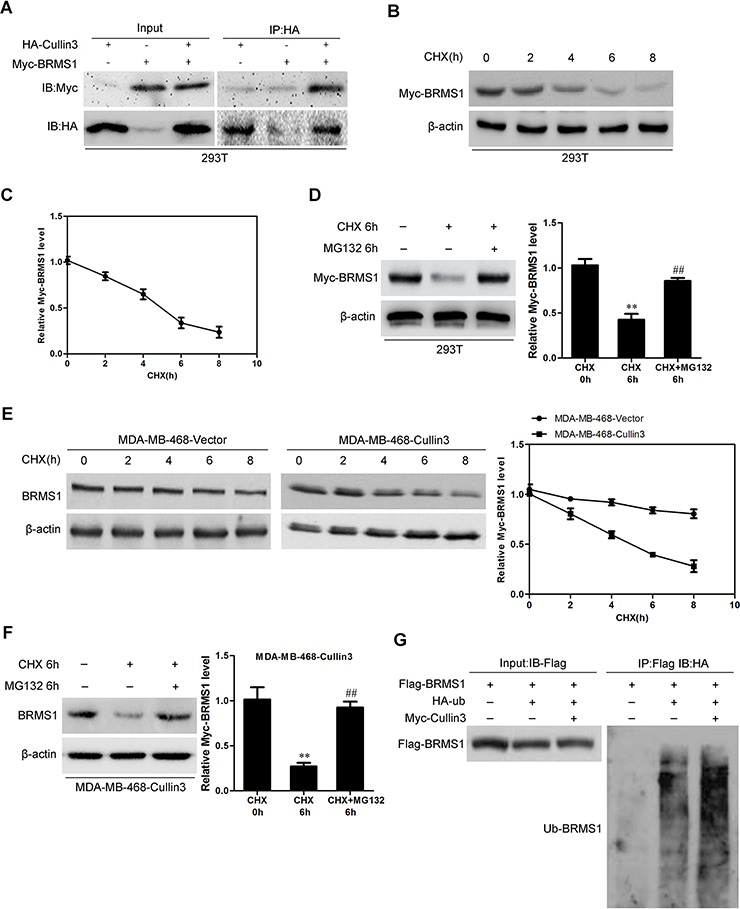
Metastasis is the leading cause of death in breast cancer (BC) patients. However, until now, the mechanisms of BC metastasis remain elusive. Cullin3 is a highly conserved Cullin family member present in the genomes of all eukaryotes, which has been proposed as an oncogene in many types of tumors; however, its role and underlying mechanisms in BC remain unclear. Here we show that Cullin3 is elevated in BC and its expression level is positively correlated with metastasis. Overexpression of Cullin3 in BC cells increased proliferation, epithelial-mesenchymal transition, migration and invasion in vitro, and enhanced tumorigenic and metastatic capacities in vivo. In contrast, silencing Cullin3 in aggressive and invasive BC cells inhibited these processes. Mechanistically, we found Cullin3 exerts its function through promoting BRMS1 protein degradation, which was associated with EMT, migration and invasion. BRMS1 overexpression blocked Cullin3-driven EMT, and metastasis. Our results, for the first time, portray a pivotal role of Cullin3 in stimulating metastatic behaviors of BC cells. Targeting Cullin3 may thus be a useful strategy to impede BC cell invasion and metastasis.
转移是乳腺癌(BC)患者死亡的主要原因。然而,迄今为止,BC转移的机制仍不清楚。Cullin3是所有真核生物基因组中存在的一种高度保守的Cullin家族成员,在许多类型的肿瘤中它被认为是一种癌基因;然而,其在BC中的作用及潜在机制仍不清楚。在此我们表明,Cullin3在BC中表达上调,其表达水平与转移呈正相关。在BC细胞中过表达Cullin3会增加体外增殖、上皮-间质转化、迁移和侵袭,并增强体内致瘤和转移能力。相反,在侵袭性BC细胞中沉默Cullin3会抑制这些过程。从机制上讲,我们发现Cullin3通过促进BRMS1蛋白降解发挥其功能,这与上皮-间质转化、迁移和侵袭相关。BRMS1过表达可阻断Cullin3驱动的上皮-间质转化和转移。我们的结果首次描绘了Cullin3在刺激BC细胞转移行为中的关键作用。因此,靶向Cullin3可能是阻碍BC细胞侵袭和转移的一种有用策略。