Department of Molecular and Medical Pharmacology, University of California, Los Angeles, 90095, United States.
ACS Chem Biol. 2011 Jan 21;6(1):34-46. doi: 10.1021/cb100294v. Epub 2010 Nov 30.
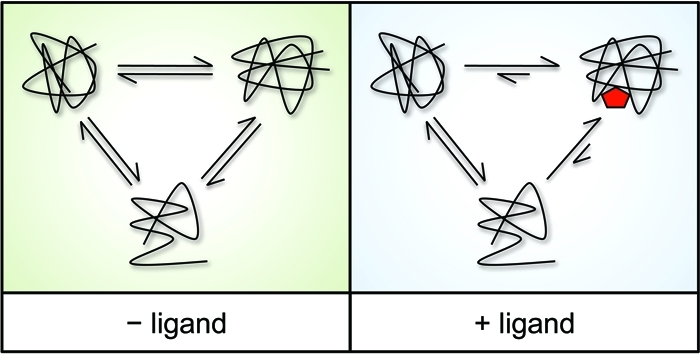
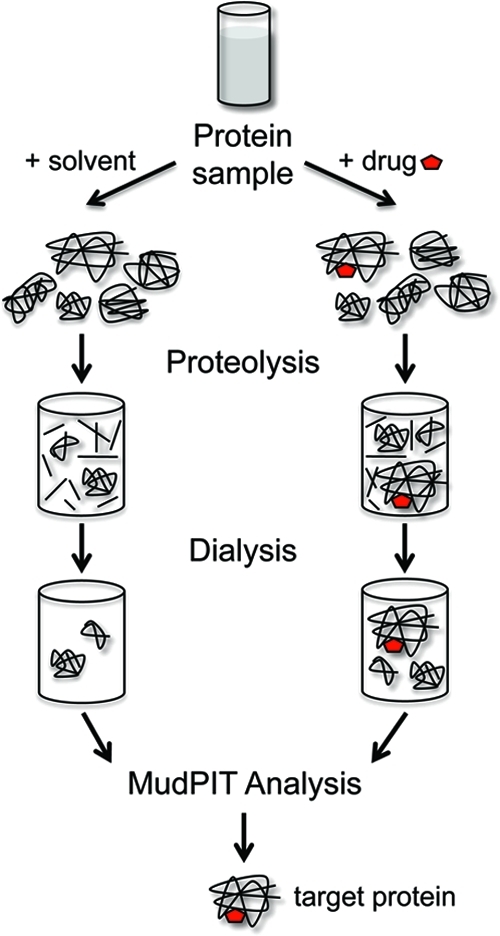
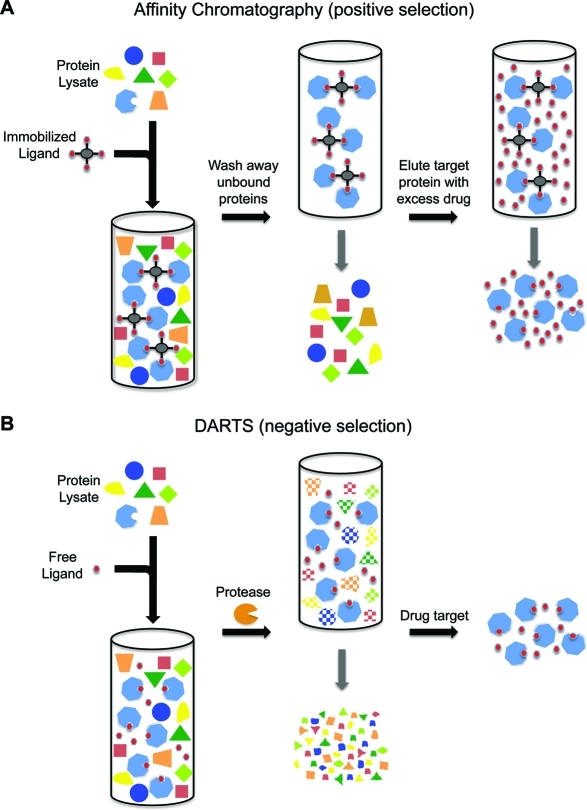
Small-molecule target identification is a vital and daunting task for the chemical biology community as well as for researchers interested in applying the power of chemical genetics to impact biology and medicine. To overcome this "target ID" bottleneck, new technologies are being developed that analyze protein-drug interactions, such as drug affinity responsive target stability (DARTS), which aims to discover the direct binding targets (and off targets) of small molecules on a proteome scale without requiring chemical modification of the compound. Here, we review the DARTS method, discuss why it works, and provide new perspectives for future development in this area.
小分子靶标鉴定是化学生物学领域以及将化学遗传学应用于生物学和医学领域的研究人员面临的一项艰巨而重要的任务。为了克服这一“靶标 ID”瓶颈,正在开发新的技术来分析蛋白质-药物相互作用,如药物亲和反应靶标稳定性(DARTS),旨在在不要求化合物化学修饰的情况下,在蛋白质组范围内发现小分子的直接结合靶标(和脱靶)。在这里,我们回顾了 DARTS 方法,讨论了它为什么有效,并为该领域的未来发展提供了新的视角。