Research Center for Biological Therapy, Beijing 302 Hospital, Beijing, China.
PLoS One. 2010 Nov 8;5(11):e13869. doi: 10.1371/journal.pone.0013869.
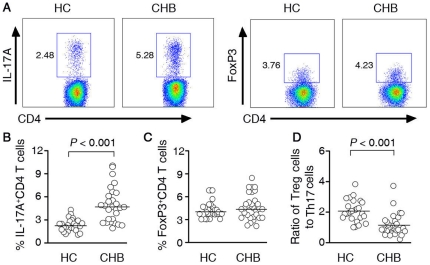
Treatment with nucleotide analogs is known to be effective in inhibiting HBV replication; however, patients with chronic hepatitis B (CHB) often show a wide range of clinical responses to these drugs. Therefore, the identification of an early immunologic marker associated with the clinical outcomes in such cases is critical for the improved clinical management. In our study, we aimed to investigate whether the viral load in CHB patients affected the ratio of the number of regulatory T cells (Tregs) to the number of interleukin-17-producing helper (Th17) cells. Further, we evaluated the clinical implications of the alterations in this ratio.
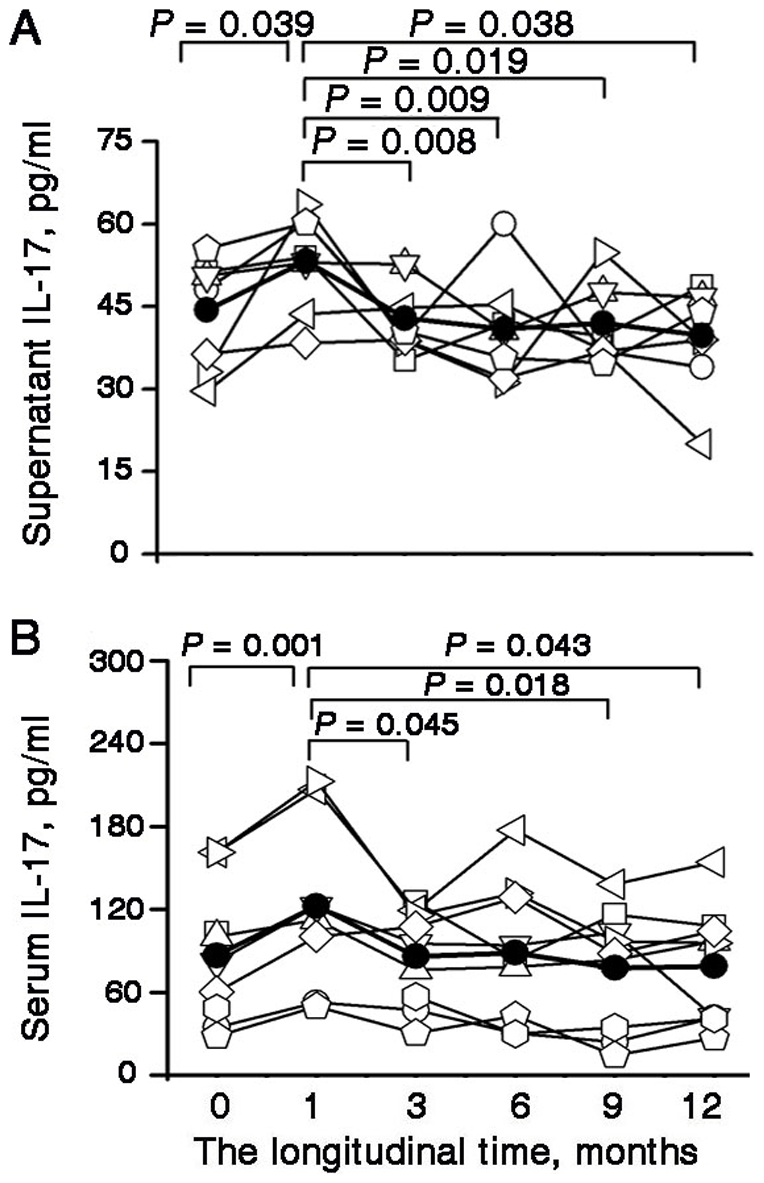
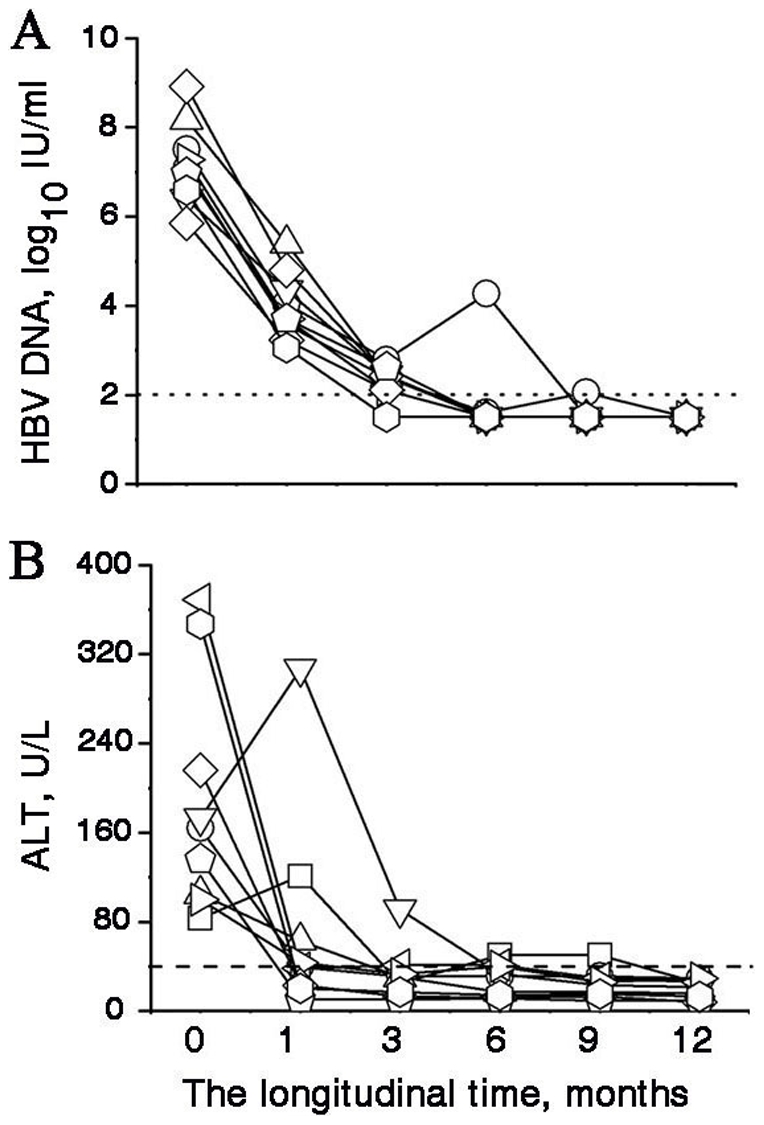
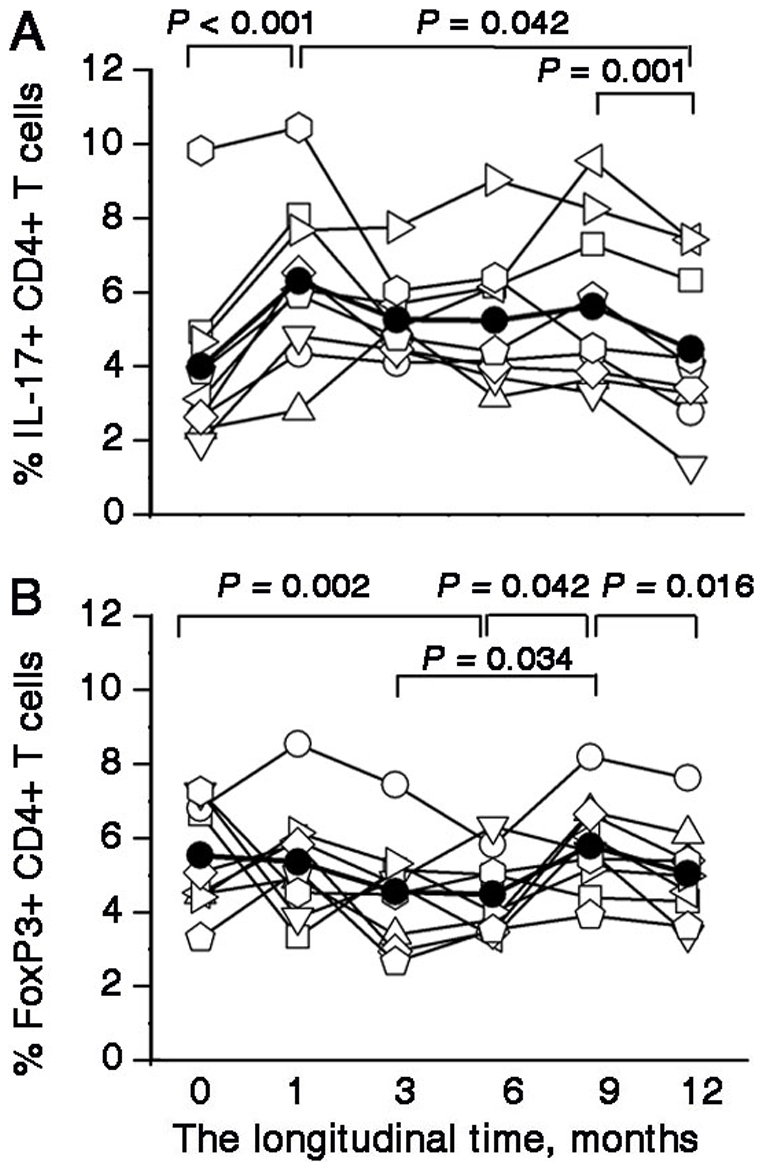
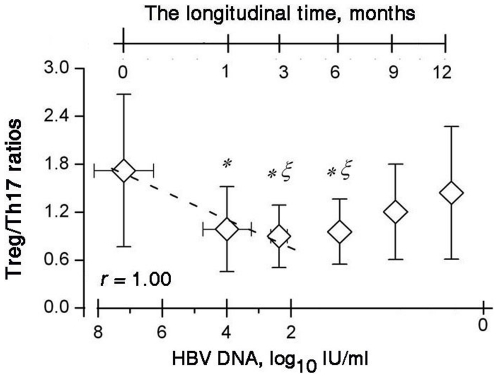
METHODOLOGY/PRINCIPAL FINDINGS: Nine patients seropositive for hepatitis B e antigen received entecavir monotherapy for 12 months and the percentages of Tregs and Th17 cells as well as the HBV-specific IL-17 productions in these patients were longitudinally analyzed. The entecavir-induced suppression of HBV replication was accompanied by a rapid increase in the number of Th17 cells, together with a decrease in Treg cells, which lead to a significant reduction of Treg/Th17 ratios. In addition, peripheral blood mononuclear cells (PBMCs) exhibited a decreased IL-17 production upon stimulation with the HBV core antigen in vitro.
The inhibition of viral replication results in an increase in Th17 cells and concomitant decrease in Treg cells. This imbalance of Treg cells to Th17 cells might have an important role in HBV persistence during entecavir treatment.
核苷酸类似物的治疗被认为能有效抑制乙型肝炎病毒 (HBV) 的复制;然而,慢性乙型肝炎 (CHB) 患者对这些药物的临床反应往往差异很大。因此,确定与此类患者临床结果相关的早期免疫标志物对于改善临床管理至关重要。在我们的研究中,我们旨在研究 CHB 患者的病毒载量是否会影响调节性 T 细胞 (Treg) 与白细胞介素-17 产生辅助性 T 细胞 (Th17) 的数量比。此外,我们评估了这种比率变化的临床意义。
方法/主要发现:9 例乙型肝炎 e 抗原阳性患者接受恩替卡韦单药治疗 12 个月,对这些患者的 Treg 和 Th17 细胞的百分比以及 HBV 特异性 IL-17 产生进行了纵向分析。恩替卡韦诱导的 HBV 复制抑制伴随着 Th17 细胞数量的快速增加,同时 Treg 细胞减少,导致 Treg/Th17 比率显著降低。此外,体外刺激 HBV 核心抗原后,外周血单核细胞 (PBMC) 的 IL-17 产生减少。
病毒复制的抑制导致 Th17 细胞增加,同时 Treg 细胞减少。这种 Treg 细胞对 Th17 细胞的失衡可能在恩替卡韦治疗期间 HBV 持续存在中起重要作用。