Department of Pediatrics, University of Alabama School of Medicine, Birmingham, AL 35233-1711, USA.
Virus Res. 2011 May;157(2):212-21. doi: 10.1016/j.virusres.2010.11.004. Epub 2010 Nov 21.
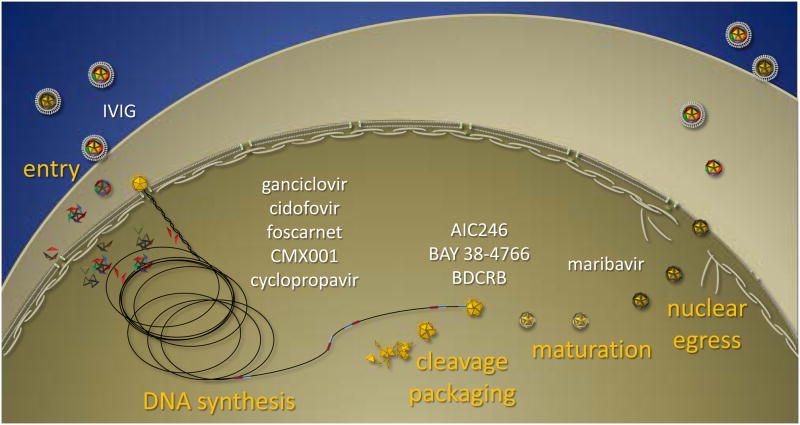
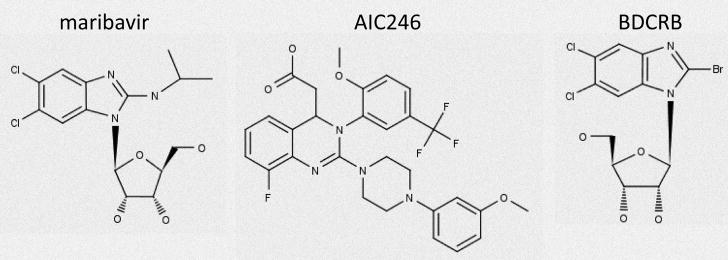
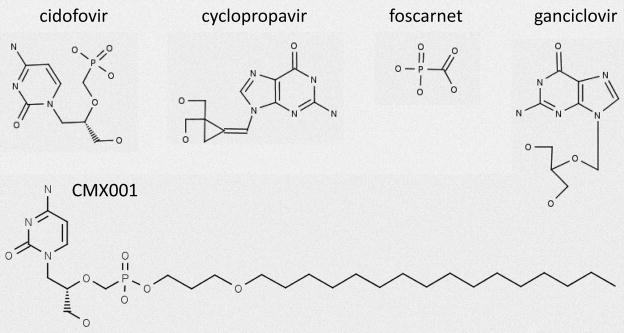
Ganciclovir (GCV), the therapy of choice for human cytomegalovirus (CMV) infections and foscarnet, a drug used to treat GCV-resistant CMV infections was approved more than twenty years ago. Although cidofovir and a prodrug of GCV have since been added to the armamentarium, a highly effective drug without significant toxicities has yet to be approved. Such a therapeutic agent is required for treatment of immunocompromised hosts and infants, which bear the greatest burden of disease. The modest antiviral activity of existing drugs is insufficient to completely suppress viral replication, which results in the selection of drug-resistant variants that remain pathogenic, continue to replicate, and contribute to disease. Sustained efforts, largely in the biotech industry and academia, have identified highly active lead compounds that have progressed into clinical studies with varying levels of success. A few of these compounds inhibit new molecular targets, remain effective against isolates that have developed resistance to existing therapies, and promise to augment existing therapies. Some of the more promising drugs will be discussed with an emphasis on those progressing to clinical studies. Their antiviral activity both in vitro and in vivo, spectrum of antiviral activity, and mechanism of action will be reviewed to provide an update on the progress of potential new therapies for CMV infections.
更昔洛韦(GCV)是治疗人类巨细胞病毒(CMV)感染的首选药物,膦甲酸是一种用于治疗 GCV 耐药 CMV 感染的药物,这两种药物在二十多年前就已获得批准。虽然西多福韦和 GCV 的前药已被加入到现有药物中,但仍需要一种没有明显毒性的高效药物来获得批准。对于免疫功能低下的宿主和婴儿,需要这样的治疗药物,因为他们承受着最大的疾病负担。现有的药物抗病毒活性不足,无法完全抑制病毒复制,这导致了耐药变体的选择,这些耐药变体仍然具有致病性,继续复制,并导致疾病的发生。在生物技术行业和学术界的不懈努力下,已经确定了具有高度活性的先导化合物,这些化合物已经进入临床研究阶段,取得了不同程度的成功。其中一些化合物抑制新的分子靶点,对已经对现有治疗方法产生耐药性的分离株仍然有效,并有望增强现有治疗方法。本文将讨论一些更有前途的药物,重点介绍那些正在进行临床研究的药物。本文将综述这些药物的体外和体内抗病毒活性、抗病毒谱和作用机制,为 CMV 感染的潜在新疗法的研究进展提供最新信息。