Department of Microbiology and Immunology, and Center for Sexually Transmitted Disease, Center for Molecular Therapeutics, Institute for Molecular Medicine and Infectious Disease, Drexel University College of Medicine, Philadelphia, Pennsylvania 19102, USA.
Biomed Pharmacother. 2010 Dec;64(10):723-32. doi: 10.1016/j.biopha.2010.10.001. Epub 2010 Nov 4.
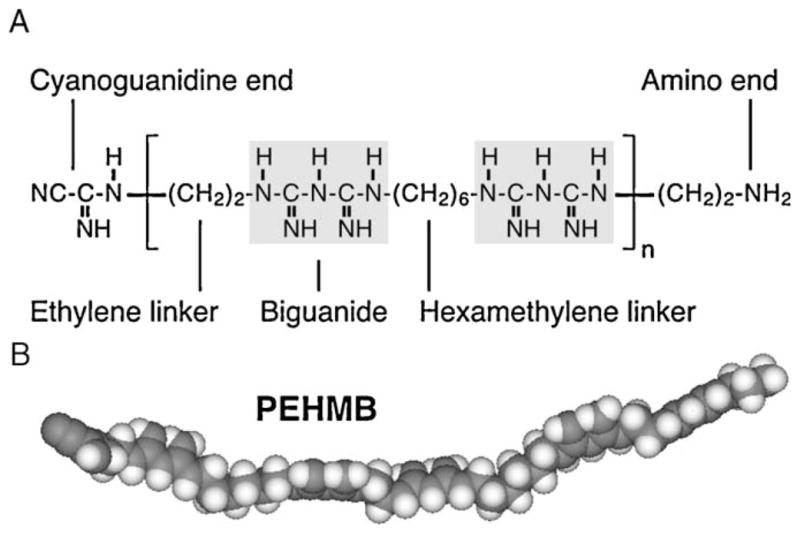
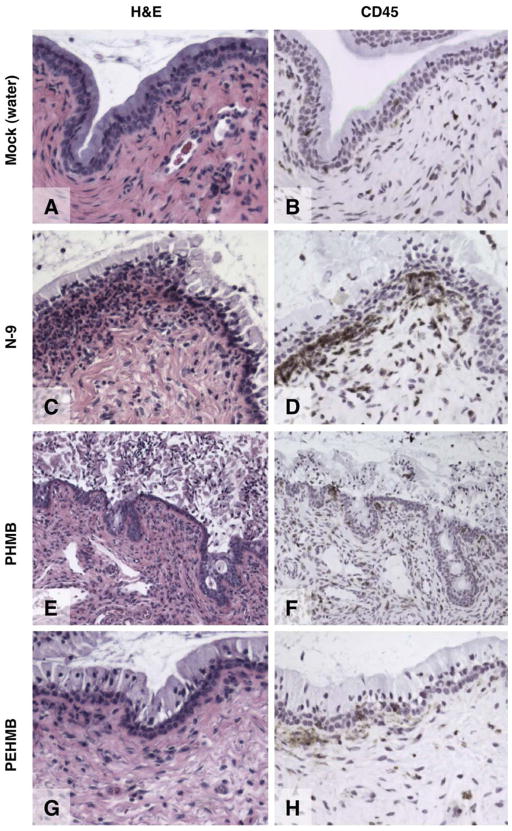
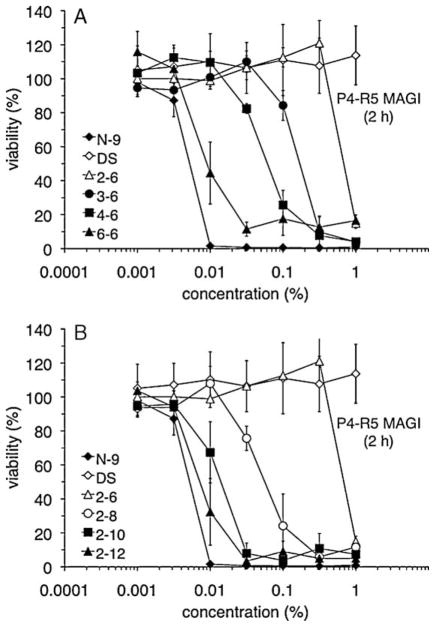
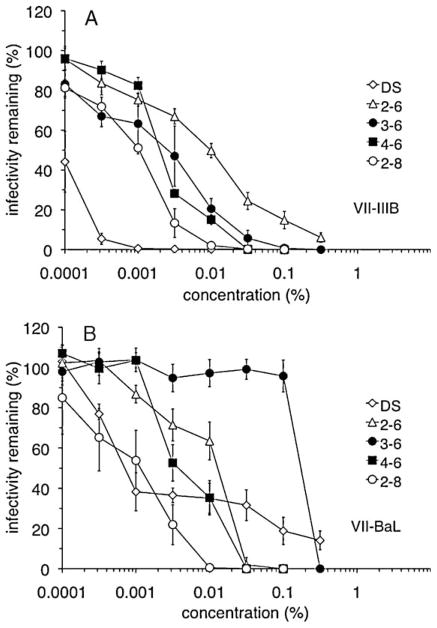
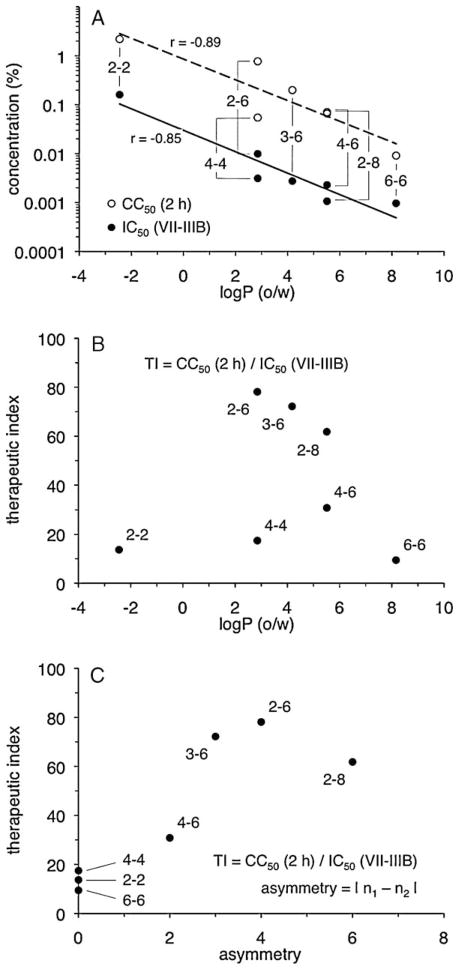
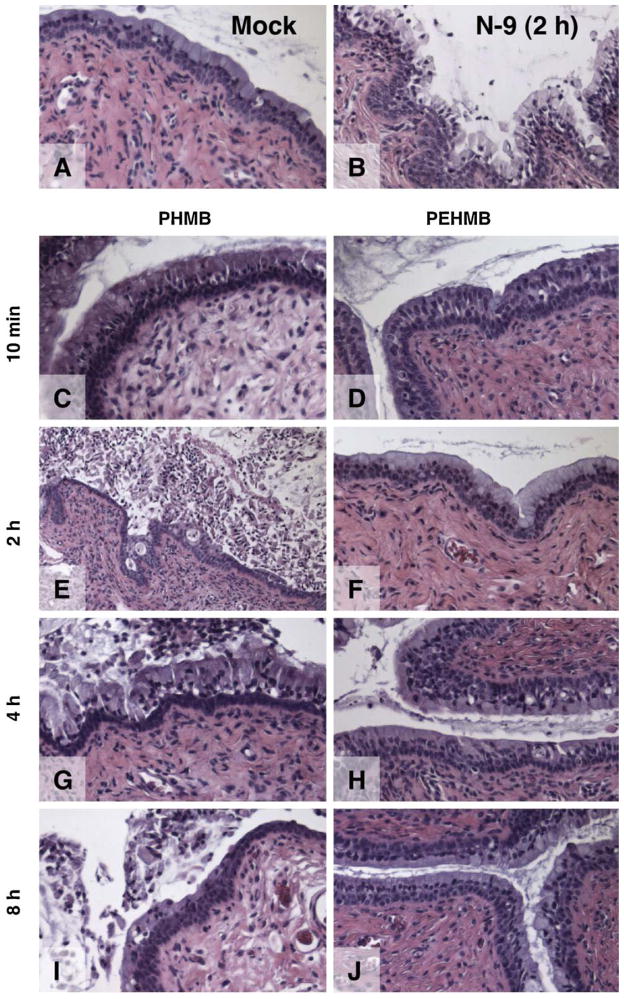
Previous investigations showing that polydisperse biguanide (PDBG) molecules have activity against human immunodeficiency virus type 1 (HIV-1) also suggested a relationship between PDBG biologic activity and the lengths of hydrocarbon linkers surrounding the positively charged biguanide unit. To better define structure-activity relationships, PDBG molecules with select linker lengths were evaluated for cytotoxicity, anti-HIV-1 activity, and in vivo toxicity. Results of the in vitro experiments demonstrated that increases in linker length (and, therefore, increases in compound lipophilicity) were generally associated with increases in cytotoxicity and antiviral activity against HIV-1. However, a relationship between linker length asymmetry and in vitro therapeutic index (TI) suggested structural specificity in the mechanism of action against HIV-1. Polyethylene hexamethylene biguanide (PEHMB; biguanide units spaced between alternating ethylene and hexamethylene linkers) was found to have the highest in vitro TI (CC₅₀/IC₅₀) among the compounds examined. Recent improvements in PEHMB synthesis and purification have yielded preparations of PEHMB with in vitro TI values of 266 and 7000 against HIV-1 strains BaL and IIIB, respectively. The minimal toxicity of PEHMB relative to polyhexamethylene biguanide (PHMB; biguanide units alternating with hexamethylene linkers) in a murine model of cervicovaginal microbicide toxicity was consistent with considerable differences in cytotoxicity between PEHMB and PHMB observed during in vitro experiments. These structure-activity investigations increase our understanding of PDBG molecules as agents with activity against HIV-1 and provide the foundation for further preclinical studies of PEHMB and other biguanide-based compounds as antiviral and microbicidal agents.
先前的研究表明,多分散的双胍(PDBG)分子对人类免疫缺陷病毒 1 型(HIV-1)具有活性,这也表明 PDBG 生物学活性与围绕正电荷双胍单元的烃链接长度之间存在关系。为了更好地定义结构-活性关系,评估了具有选定连接长度的 PDBG 分子的细胞毒性、抗 HIV-1 活性和体内毒性。体外实验结果表明,连接长度的增加(因此,化合物的脂溶性增加)通常与细胞毒性的增加和对 HIV-1 的抗病毒活性增加相关。然而,连接长度不对称与体外治疗指数(TI)之间的关系表明,针对 HIV-1 的作用机制具有结构特异性。发现聚亚甲基六亚甲基双胍(PEHMB;双胍单元间隔交替的乙烯和六亚甲基连接体)在研究的化合物中具有最高的体外 TI(CC₅₀/IC₅₀)。最近对 PEHMB 合成和纯化的改进,产生了具有体外 TI 值分别为 266 和 7000 的对 HIV-1 株 BaL 和 IIIB 的 PEHMB 制剂。与聚六亚甲基双胍(PHMB;双胍单元与六亚甲基连接体交替)相比,PEHMB 在宫颈阴道杀微生物毒性的鼠模型中的最小毒性与其在体外实验中观察到的 PEHMB 和 PHMB 之间的细胞毒性差异相当。这些结构-活性研究增加了我们对 PDBG 分子作为抗 HIV-1 活性剂的认识,并为进一步研究 PEHMB 和其他基于双胍的化合物作为抗病毒和杀微生物剂的临床前研究奠定了基础。