Department of Medicine, The Johns Hopkins University School of Medicine, Baltimore, MD 21287, USA.
Oncogene. 2011 Mar 31;30(13):1577-85. doi: 10.1038/onc.2010.534. Epub 2010 Nov 29.
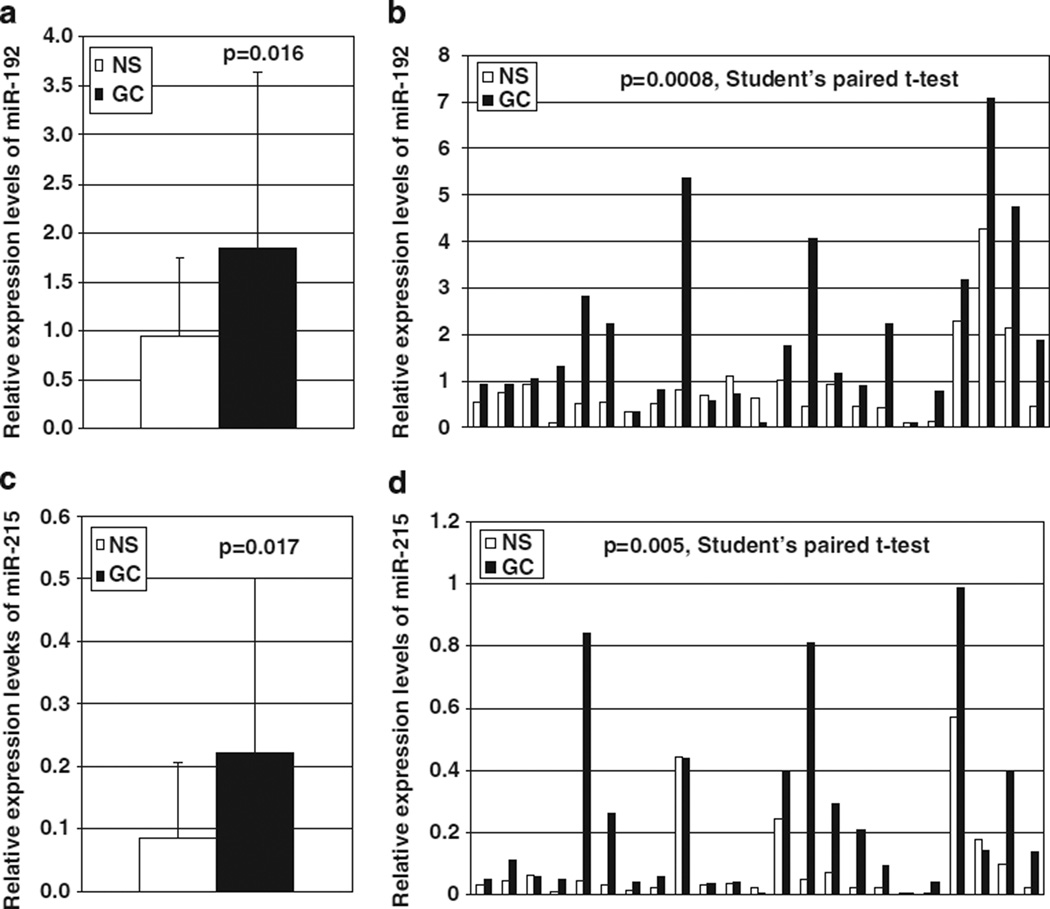
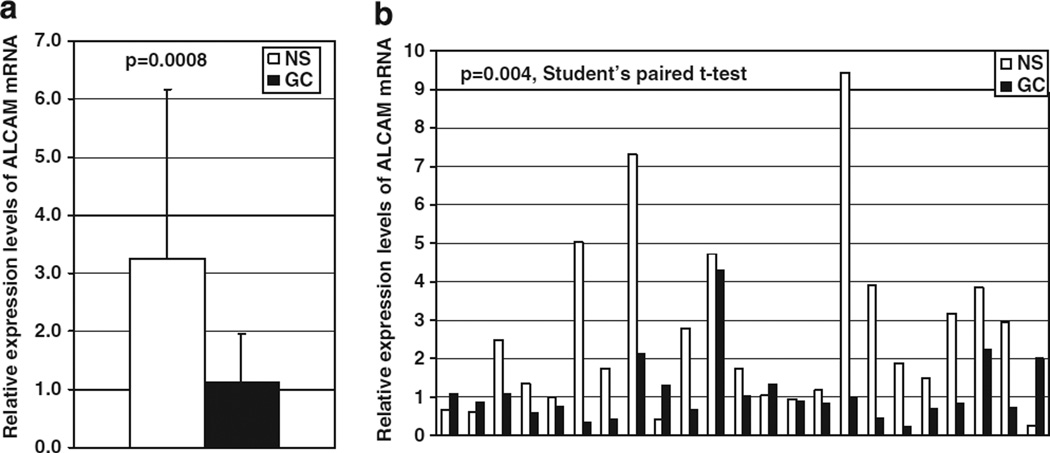
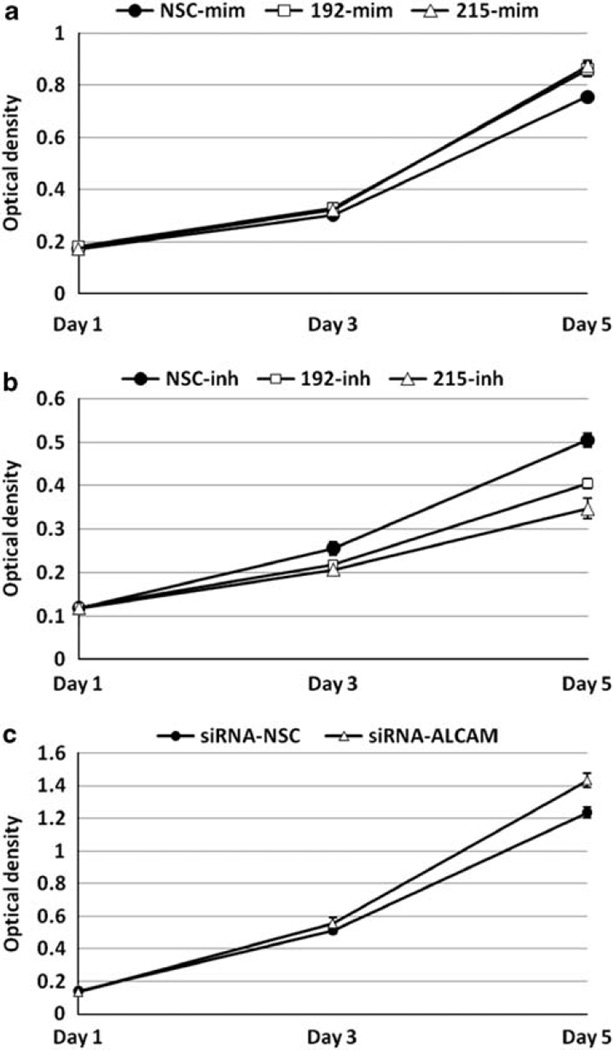
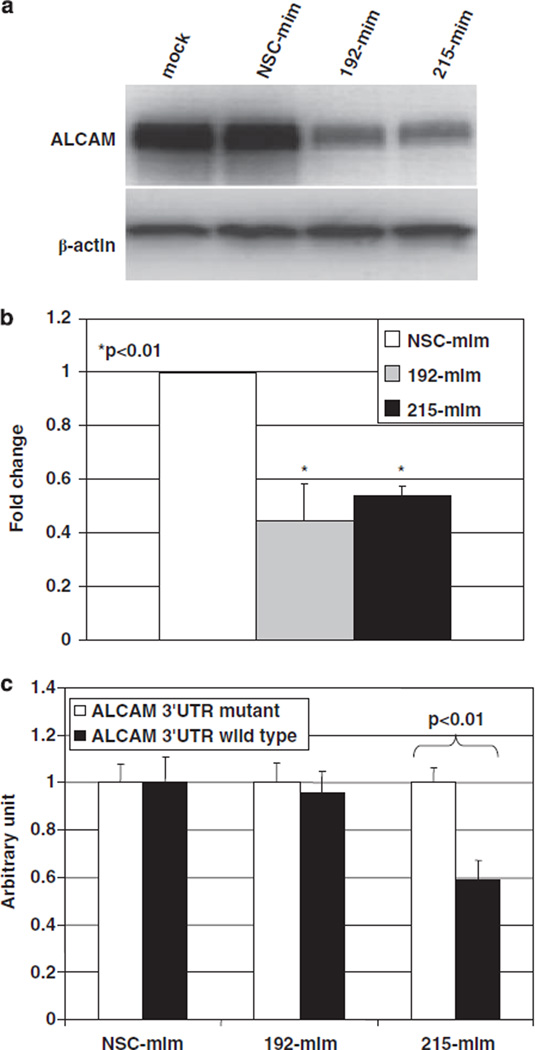
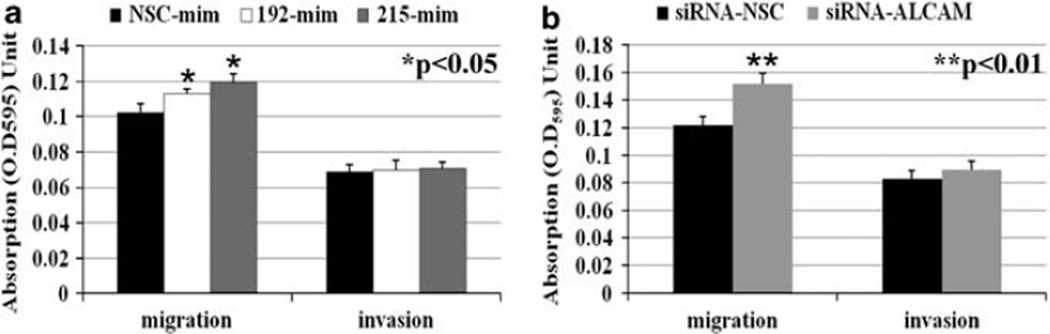
The dismal outcome of gastric cancer patients highlights the need for diagnostic biomarkers and effective therapeutic targets, such as microRNAs. We sought to discover microRNAs involved in gastric cancer, and to elucidate their downstream target mechanisms. Both cultured gastric epithelial cells (HFE145 and NCI-N87) and primary human gastric tissues (31 non-neoplastic stomach (NS) and 25 gastric carcinomas (GC)) were studied. MicroRNA microarrays and quantitative RT-PCR were applied to discover and verify differentially expressed microRNAs. in vitro cell migration and invasion, cell proliferation, cell cycle and apoptosis assays were executed to elucidate biological effects of microRNA-192 and -215. Western blotting and luciferase assays were performed to confirm direct messenger RNA targeting by microRNA-192 and -215. MicroRNA microarray analyses revealed that 25 and 20 microRNAs were upregulated and downregulated in GC vs NS, respectively. Expression levels of both microRNA-192 and -215 were significantly higher in GC than in NS (P<0.05). Luciferase assays suggested that microRNA-215 inhibits activated leukocyte cell adhesion molecule (ALCAM) expression at the posttranscriptional level. In addition, expression levels of ALCAM were significantly lower in GC than in NS. Mimics and inhibitors, respectively, of microRNA-192 or -215 exerted no effect on cell cycle or apoptosis in the immortalized normal gastric cell line HFE145 or the gastric cancer cell line NCI-N87. However, mimics of microRNA-192 or -215 significantly increased growth rates in HFE145 cells, whereas inhibitors of microRNA-192 or -215 caused significant decreases in growth rates in NCI-N87 cells. ALCAM knockdown by an ALCAM-specific siRNA significantly increased cell growth in HFE145 cells. Both transfection of mimics of microRNA-192 or -215 and ALCAM knockdown by an ALCAM-specific siRNA significantly increased the migration of HFE145 cells. In conclusion, in gastric cancer, both microRNA-192 and -215 are overexpressed in vivo and exert cell growth and migration-promoting effects in vitro, thus representing potential microRNAs with a role in cancer in the human stomach.
胃癌患者的惨淡结局凸显了对诊断生物标志物和有效治疗靶点(如 microRNA)的需求。我们试图发现参与胃癌的 microRNA,并阐明其下游靶机制。研究了培养的胃上皮细胞(HFE145 和 NCI-N87)和原代人胃组织(31 例非肿瘤胃(NS)和 25 例胃癌(GC))。应用 microRNA 微阵列和定量 RT-PCR 发现和验证差异表达的 microRNA。进行体外细胞迁移和侵袭、细胞增殖、细胞周期和细胞凋亡测定,以阐明 microRNA-192 和 -215 的生物学效应。进行 Western 印迹和荧光素酶测定,以确认 microRNA-192 和 -215 对信使 RNA 的直接靶向作用。microRNA 微阵列分析显示,GC 与 NS 相比,分别有 25 个和 20 个 microRNA 上调和下调。GC 中 microRNA-192 和 -215 的表达水平明显高于 NS(P<0.05)。荧光素酶测定表明,microRNA-215 在转录后水平抑制激活白细胞细胞黏附分子(ALCAM)的表达。此外,GC 中 ALCAM 的表达水平明显低于 NS。microRNA-192 或 -215 的模拟物或抑制剂对永生化正常胃细胞系 HFE145 或胃癌细胞系 NCI-N87 的细胞周期或凋亡均无影响。然而,microRNA-192 或 -215 的模拟物显著增加了 HFE145 细胞的生长速度,而 microRNA-192 或 -215 的抑制剂则导致 NCI-N87 细胞的生长速度显著下降。用 ALCAM 特异性 siRNA 敲低 ALCAM 显著增加了 HFE145 细胞的生长。转染 microRNA-192 或 -215 的模拟物和用 ALCAM 特异性 siRNA 敲低 ALCAM 均显著增加了 HFE145 细胞的迁移。总之,在胃癌中,microRNA-192 和 -215 在体内均过度表达,并在体外发挥促进细胞生长和迁移的作用,因此代表了人类胃中具有癌症作用的潜在 microRNA。