Institut National de la Recherche Agronomique, Sophia Antipolis, France.
PLoS Pathog. 2010 Nov 24;6(11):e1001206. doi: 10.1371/journal.ppat.1001206.
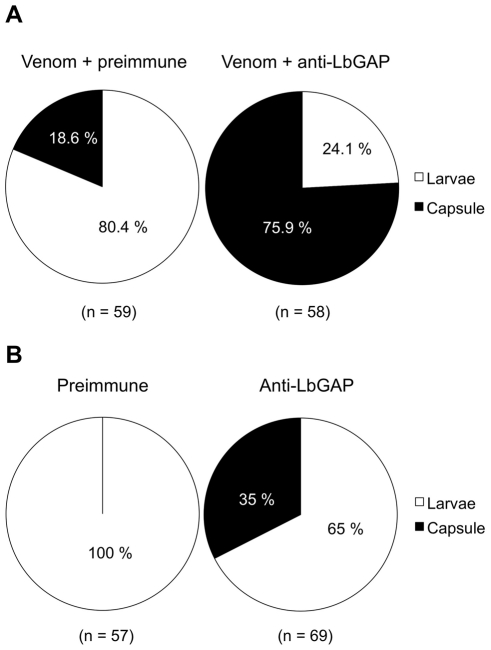
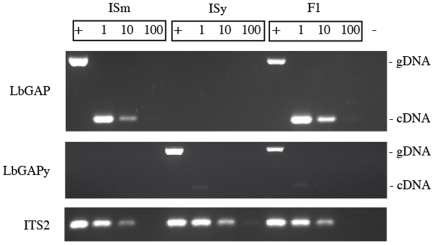
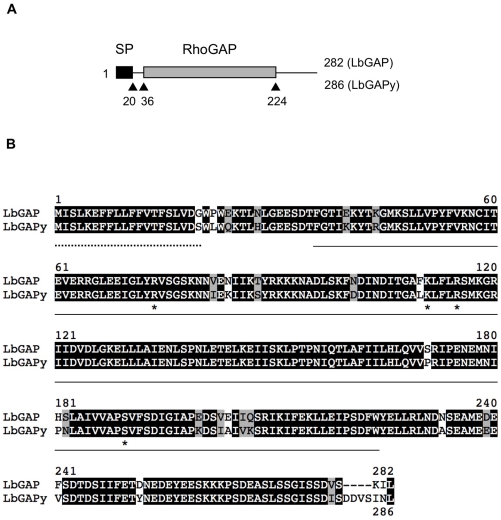
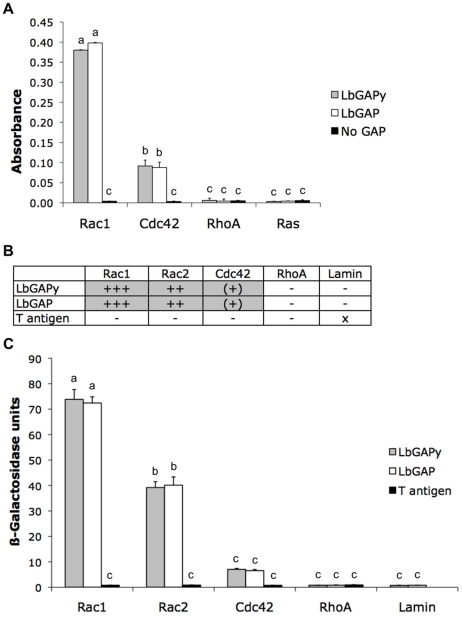
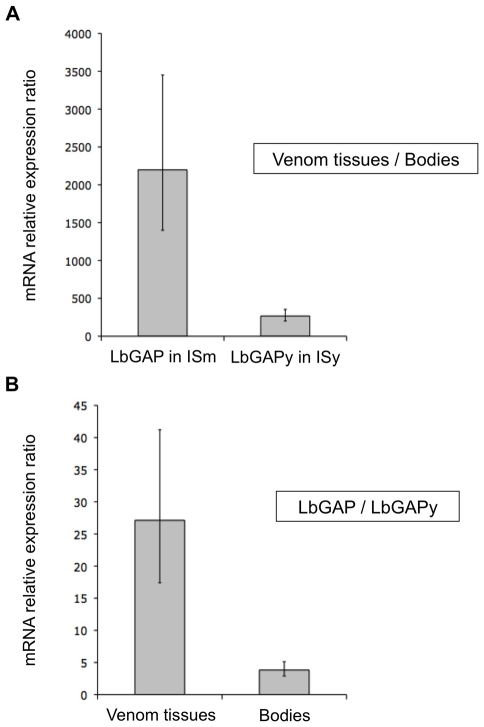
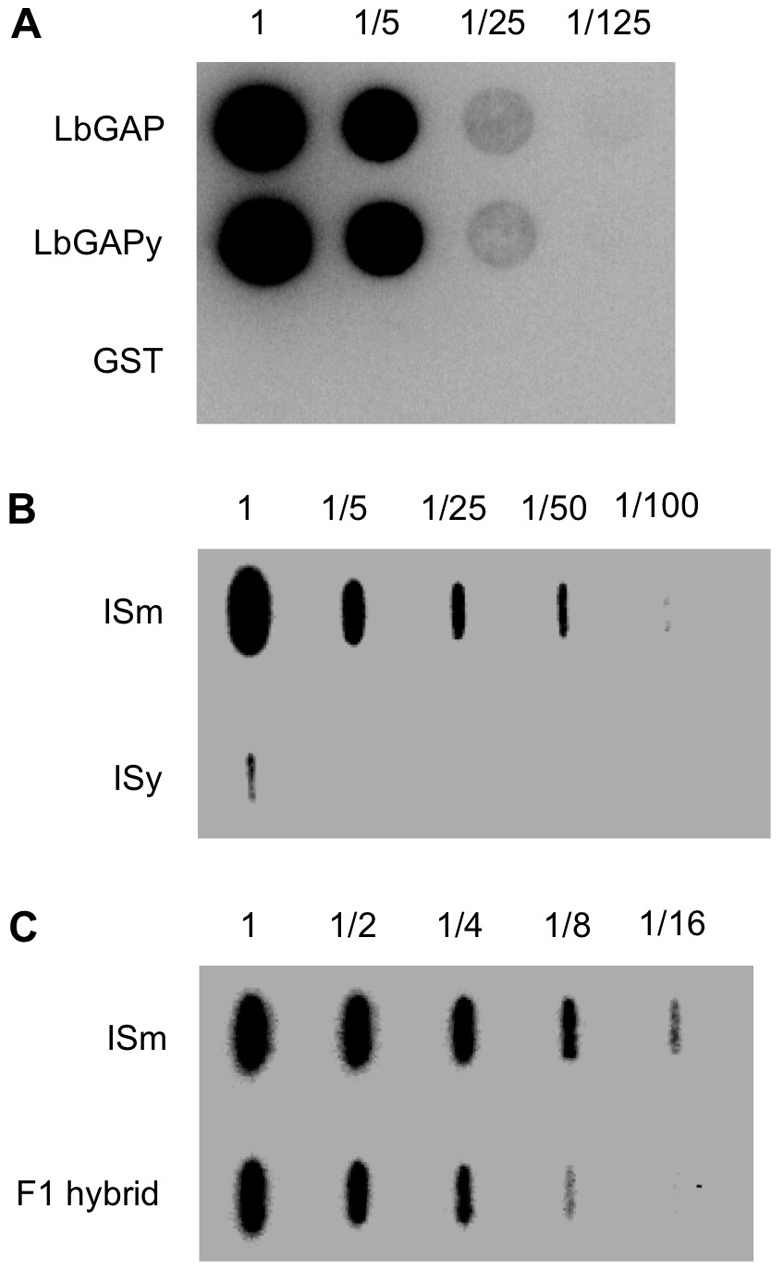
Occurrence of intraspecific variation in parasite virulence, a prerequisite for coevolution of hosts and parasites, has largely been reported. However, surprisingly little is known of the molecular bases of this variation in eukaryotic parasites, with the exception of the antigenic variation used by immune-evading parasites of mammals. The present work aims to address this question in immune suppressive eukaryotic parasites. In Leptopilina boulardi, a parasitic wasp of Drosophila melanogaster, well-defined virulent and avirulent strains have been characterized. The success of virulent females is due to a major immune suppressive factor, LbGAP, a RacGAP protein present in the venom and injected into the host at oviposition. Here, we show that an homologous protein, named LbGAPy, is present in the venom of the avirulent strain. We then question whether the difference in virulence between strains originates from qualitative or quantitative differences in LbGAP and LbGAPy proteins. Results show that the recombinant LbGAPy protein has an in vitro GAP activity equivalent to that of recombinant LbGAP and similarly targets Drosophila Rac1 and Rac2 GTPases. In contrast, a much higher level of both mRNA and protein is found in venom-producing tissues of virulent parasitoids. The F1 offspring between virulent and avirulent strains show an intermediate level of LbGAP in their venom but a full success of parasitism. Interestingly, they express almost exclusively the virulent LbGAP allele in venom-producing tissues. Altogether, our results demonstrate that the major virulence factor in the wasp L. boulardi differs only quantitatively between virulent and avirulent strains, and suggest the existence of a threshold effect of this molecule on parasitoid virulence. We propose that regulation of gene expression might be a major mechanism at the origin of intraspecific variation of virulence in immune suppressive eukaryotic parasites. Understanding this variation would improve our knowledge of the mechanisms of transcriptional evolution currently under active investigation.
种内寄生虫毒力变异的发生是宿主和寄生虫共同进化的前提,这一现象已被广泛报道。然而,令人惊讶的是,除了哺乳动物免疫逃避寄生虫所利用的抗原变异外,人们对真核寄生虫的这种变异的分子基础知之甚少。本研究旨在探讨免疫抑制性真核寄生虫中的这一问题。在寄生蜂 Leptopilina boulardi 中,已经对具有明确毒力和非毒力的菌株进行了特征描述。毒力雌蜂的成功归因于一种主要的免疫抑制因子 LbGAP,它是一种 RacGAP 蛋白,存在于毒液中,并在产卵时注入宿主。在这里,我们发现一种同源蛋白,命名为 LbGAPy,存在于非毒力菌株的毒液中。然后,我们质疑菌株间毒力的差异是否源自 LbGAP 和 LbGAPy 蛋白的定性或定量差异。结果表明,重组 LbGAPy 蛋白具有与重组 LbGAP 相当的体外 GAP 活性,并且同样靶向果蝇 Rac1 和 Rac2 GTPases。相比之下,在毒力寄生蜂的毒液产生组织中发现了更高水平的 LbGAPy mRNA 和蛋白。在 F1 杂交后代中,其毒液中的 LbGAP 水平处于中间水平,但寄生行为完全成功。有趣的是,它们在毒液产生组织中几乎只表达了毒力 LbGAP 等位基因。总之,我们的研究结果表明,在蜂 L. boulardi 中,主要的毒力因子在毒力和非毒力菌株之间仅存在数量上的差异,并表明该分子对寄生蜂毒力存在阈值效应。我们提出,基因表达的调控可能是免疫抑制性真核寄生虫毒力种内变异的主要机制。对这种变异的理解将提高我们对目前正在积极研究的转录进化机制的认识。