Al-Allaf Faisal A, Coutelle Charles, Waddington Simon N, David Anna L, Harbottle Richard, Themis Michael
Department of Medical Genetics, Faculty of Medicine, Umm Al-Qura University, Al-Abedia Campus, P, O, Box 715, Makkah 21955, Saudi Arabia.
Int Arch Med. 2010 Dec 13;3:36. doi: 10.1186/1755-7682-3-36.
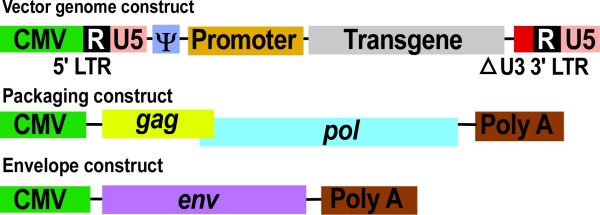
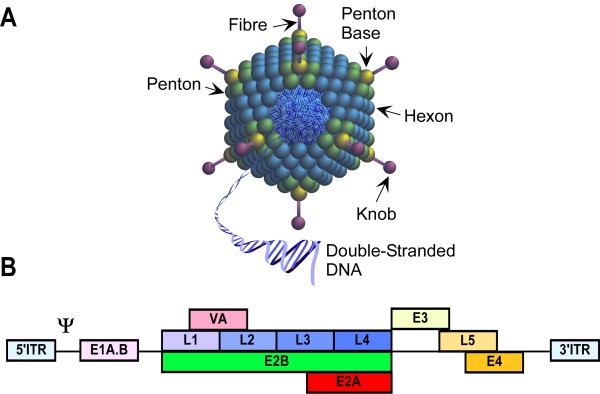
Coronary artery diseases (CAD) inflict a heavy economical and social burden on most populations and contribute significantly to their morbidity and mortality rates. Low-density lipoprotein receptor (LDLR) associated familial hypercholesterolemia (FH) is the most frequent Mendelian disorder and is a major risk factor for the development of CAD. To date there is no cure for FH. The primary goal of clinical management is to control hypercholesterolaemia in order to decrease the risk of atherosclerosis and to prevent CAD. Permanent phenotypic correction with single administration of a gene therapeutic vector is a goal still needing to be achieved. The first ex vivo clinical trial of gene therapy in FH was conducted nearly 18 years ago. Patients who had inherited LDLR gene mutations were subjected to an aggressive surgical intervention involving partial hepatectomy to obtain the patient's own hepatocytes for ex vivo gene transfer with a replication deficient LDLR-retroviral vector. After successful re-infusion of transduced cells through a catheter placed in the inferior mesenteric vein at the time of liver resection, only low-level expression of the transferred LDLR gene was observed in the five patients enrolled in the trial. In contrast, full reversal of hypercholesterolaemia was later demonstrated in in vivo preclinical studies using LDLR-adenovirus mediated gene transfer. However, the high efficiency of cell division independent gene transfer by adenovirus vectors is limited by their short-term persistence due to episomal maintenance and the cytotoxicity of these highly immunogenic viruses. Novel long-term persisting vectors derived from adeno-associated viruses and lentiviruses, are now available and investigations are underway to determine their safety and efficiency in preparation for clinical application for a variety of diseases. Several novel non-viral based therapies have also been developed recently to lower LDL-C serum levels in FH patients. This article reviews the progress made in the 18 years since the first clinical trial for gene therapy of FH, with emphasis on the development, design, performance and limitations of viral based gene transfer vectors used in studies to ameliorate the effects of LDLR deficiency.
冠状动脉疾病(CAD)给大多数人群带来了沉重的经济和社会负担,并在很大程度上导致了发病率和死亡率的上升。低密度脂蛋白受体(LDLR)相关的家族性高胆固醇血症(FH)是最常见的孟德尔疾病,也是CAD发生的主要危险因素。迄今为止,FH尚无治愈方法。临床管理的主要目标是控制高胆固醇血症,以降低动脉粥样硬化风险并预防CAD。单次给予基因治疗载体实现永久性表型纠正仍是一个有待实现的目标。FH基因治疗的首次体外临床试验是在近18年前进行的。携带LDLR基因突变的患者接受了激进的手术干预,包括部分肝切除术,以获取患者自身的肝细胞,用于通过复制缺陷型LDLR逆转录病毒载体进行体外基因转移。在肝切除时通过置于肠系膜下静脉的导管成功重新输注转导细胞后,在该试验纳入的5名患者中仅观察到转移的LDLR基因的低水平表达。相比之下,后来在使用LDLR腺病毒介导的基因转移的体内临床前研究中证明了高胆固醇血症的完全逆转。然而,腺病毒载体独立于细胞分裂的高效基因转移受到其由于游离维持导致的短期持久性以及这些高免疫原性病毒的细胞毒性的限制。源自腺相关病毒和慢病毒的新型长期持久性载体现已可用,并且正在进行研究以确定它们在准备用于各种疾病的临床应用中的安全性和效率。最近还开发了几种新型的非病毒疗法来降低FH患者的LDL-C血清水平。本文回顾了自FH基因治疗首次临床试验以来18年中取得的进展,重点介绍了用于改善LDLR缺陷影响的研究中使用的基于病毒的基因转移载体的开发、设计、性能和局限性。