Department of Life Sciences, Ben-Gurion University of the Negev, Beer-Sheva, Israel.
PLoS One. 2010 Dec 9;5(12):e15281. doi: 10.1371/journal.pone.0015281.
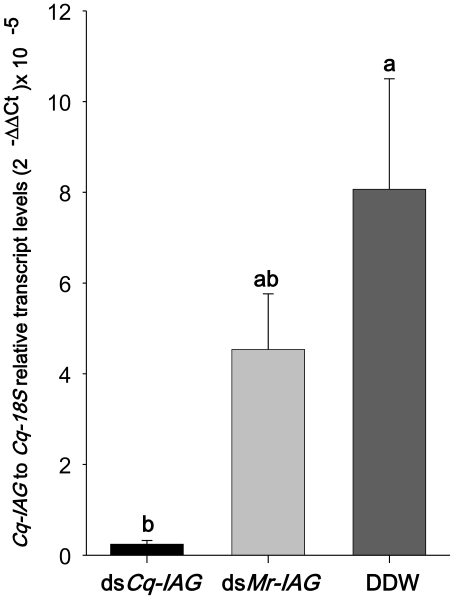
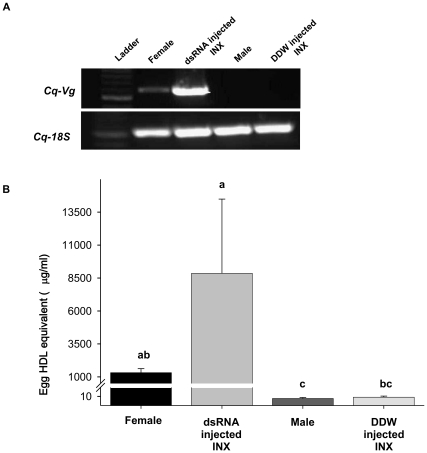
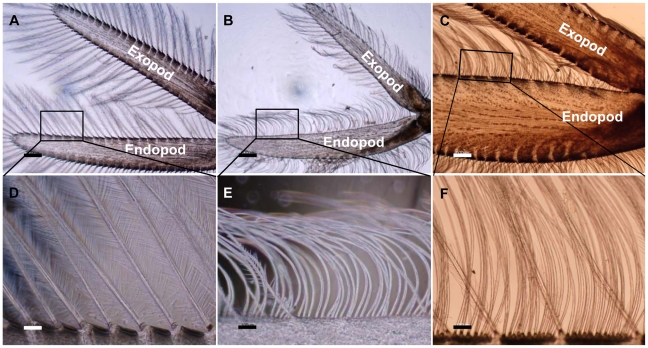
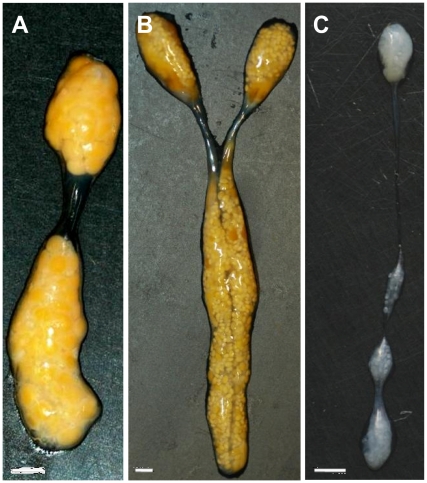
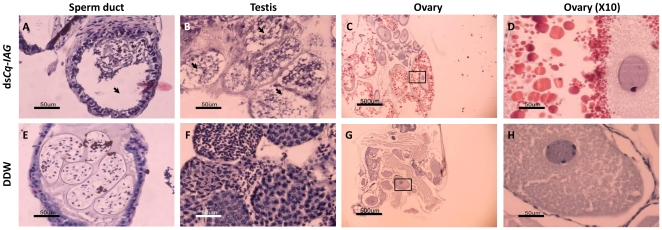
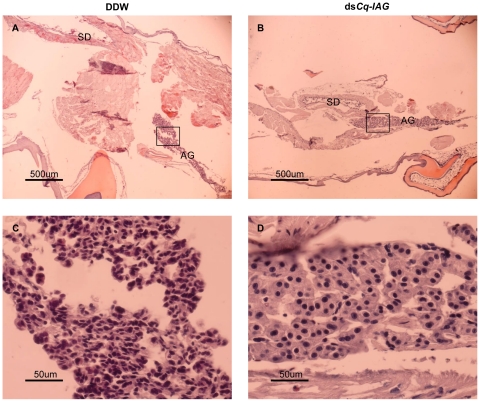
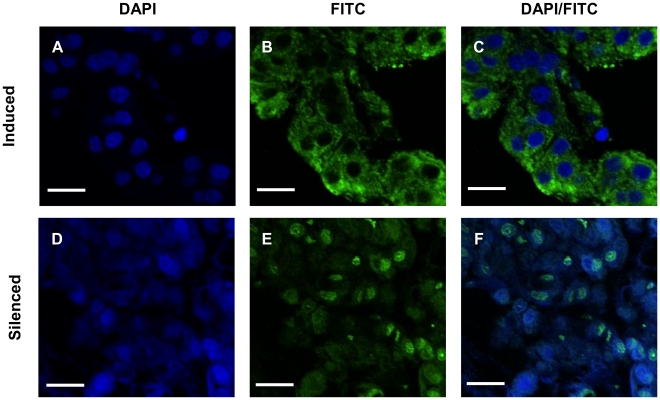
In sequential hermaphrodites, intersexuality occurs naturally, usually as a transition state during sexual re-differentiation processes. In crustaceans, male sexual differentiation is controlled by the male-specific androgenic gland (AG). An AG-specific insulin-like gene, previously identified in the red-claw crayfish Cherax quadricarinatus (designated Cq-IAG), was found in this study to be the prominent transcript in an AG cDNA subtractive library. In C. quadricarinatus, sexual plasticity is exhibited by intersex individuals in the form of an active male reproductive system and male secondary sex characters, along with a constantly arrested ovary. This intersexuality was exploited to follow changes caused by single gene silencing, accomplished via dsRNA injection. Cq-IAG silencing induced dramatic sex-related alterations, including male feature feminization, a reduction in sperm production, extensive testicular degeneration, expression of the vitellogenin gene, and accumulation of yolk proteins in the developing oocytes. Upon silencing of the gene, AG cells hypertrophied, possibly to compensate for low hormone levels, as reflected in the poor production of the insulin-like hormone (and revealed by immunohistochemistry). These results demonstrate both the functionality of Cq-IAG as an androgenic hormone-encoding gene and the dependence of male gonad viability on the Cq-IAG product. This study is the first to provide evidence that silencing an insulin-like gene in intersex C. quadricarinatus feminizes male-related phenotypes. These findings, moreover, contribute to the understanding of the regulation of sexual shifts, whether naturally occurring in sequential hermaphrodites or abnormally induced by endocrine disruptors found in the environment, and offer insight into an unusual gender-related link to the evolution of insulins.
在连续雌雄同体动物中,间性是自然发生的,通常是在性再分化过程中的过渡状态。在甲壳动物中,雄性性分化受雄性特异性雄激素腺(AG)控制。本研究在红螯螯虾 Cherax quadricarinatus 中鉴定到一种 AG 特异性胰岛素样基因(命名为 Cq-IAG),该基因在 AG cDNA 消减文库中是主要转录本。在 C. quadricarinatus 中,间性个体表现出性可塑性,其特征为具有活跃的雄性生殖系统和雄性次级性特征,同时卵巢处于持续停滞状态。这种间性被用来跟踪单基因沉默引起的变化,通过 dsRNA 注射实现。Cq-IAG 沉默诱导了显著的性别相关改变,包括雄性特征女性化、精子生成减少、睾丸广泛退化、卵黄蛋白基因表达和卵母细胞中卵黄蛋白的积累。在基因沉默后,AG 细胞肥大,可能是为了弥补低激素水平,这反映在胰岛素样激素的产生减少(免疫组织化学显示)。这些结果表明 Cq-IAG 作为雄激素激素编码基因的功能以及雄性性腺活力对 Cq-IAG 产物的依赖性。本研究首次提供证据表明,沉默间性 C. quadricarinatus 中的胰岛素样基因会使与雄性相关的表型女性化。此外,这些发现有助于理解性转变的调节,无论是在连续雌雄同体动物中自然发生的,还是环境中发现的内分泌干扰物异常诱导的,并且为胰岛素进化与异常性别相关联系提供了深入了解。