Department of Pharmacology, University of Malaya, Kuala Lumpur, Malaysia.
PLoS One. 2010 Dec 1;5(12):e15105. doi: 10.1371/journal.pone.0015105.
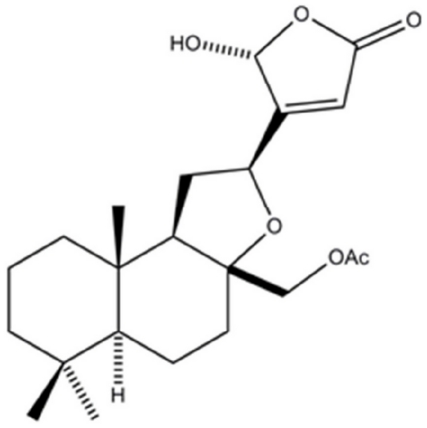
17-O-acetylacuminolide (AA), a diterpenoid labdane, was isolated for the first time from the plant species Neouvaria foetida. The anti-inflammatory effects of this compound were studied both in vitro and in vivo.
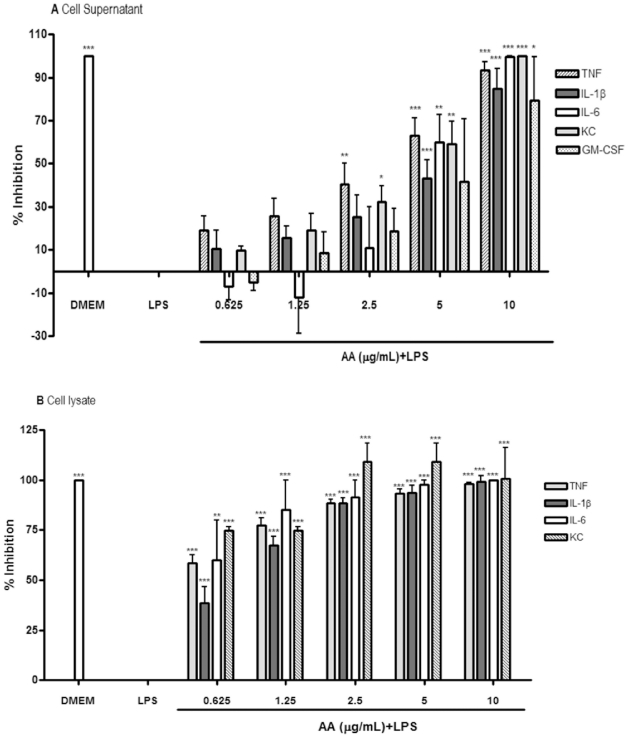
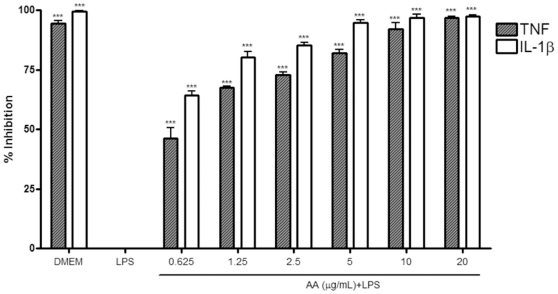
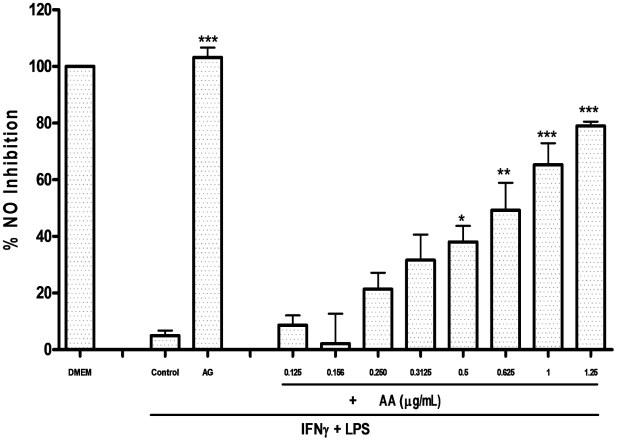
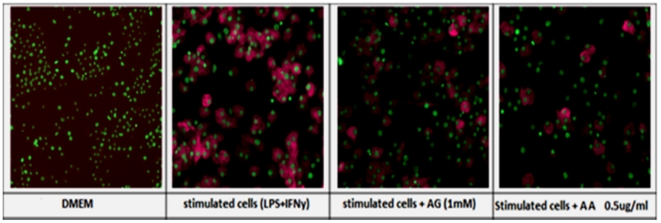
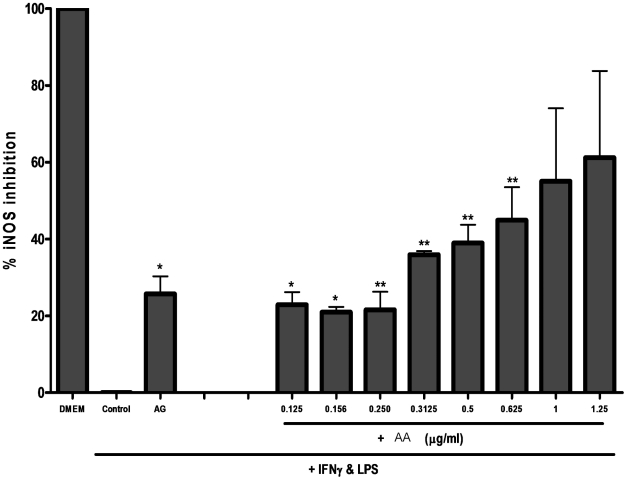
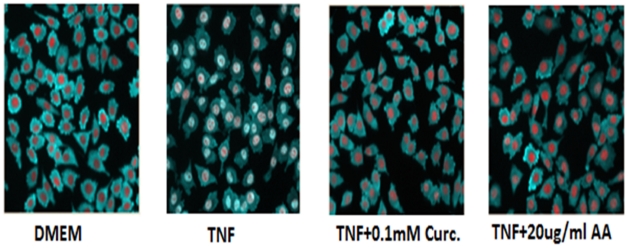
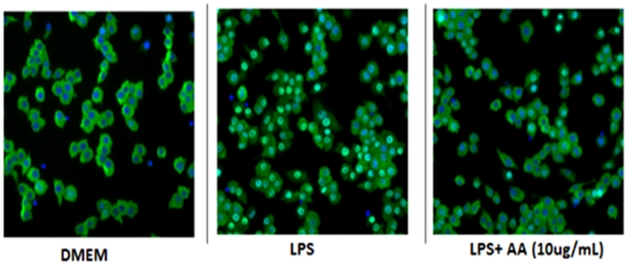
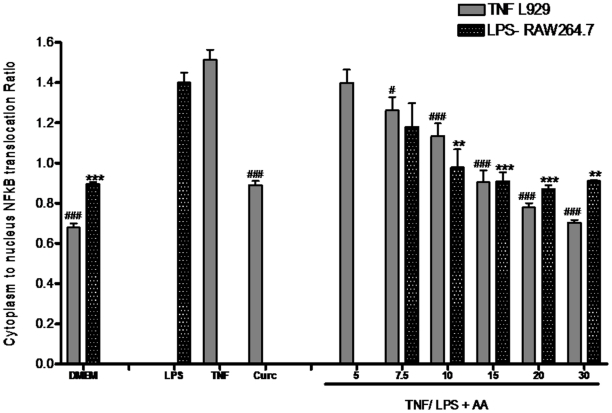
Plant extracts were initially tested against LPS-stimulated release of tumor necrosis factor alpha (TNF-α) from murine macrophages (RAW264.7 cells). Based on bioassay-guided fractionation, the active compound was identified as AA. AA was tested for its ability to reduce nitric oxide (NO) production, and the inducible nitric oxide synthase (iNOS) expression. The inhibition of a panel of inflammatory cytokines (TNF, IL-1β, IL-6, KC, and GM-CSF) by AA was assessed at the expression and the mRNA levels. Moreover, the effect of AA on the translocation of the transcription factor nuclear factor kappa B (NF-κB) was evaluated in LPS-stimulated RAW264.7 cells and in TNF-stimulated L929 cells. Subsequently, AA was tested in the inhibitor of NF-κB kinase beta (IKKβ) activity assay. Lastly, the anti-inflammatory activity of AA in vivo was evaluated by testing TNF production in LPS-stimulated Balb/c mice.
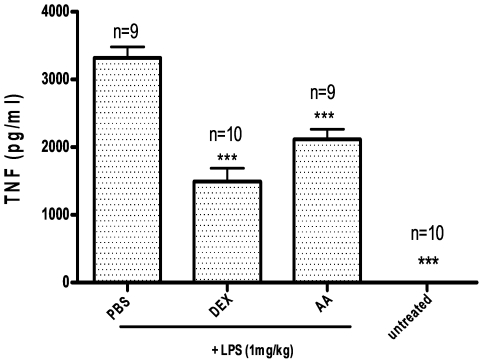
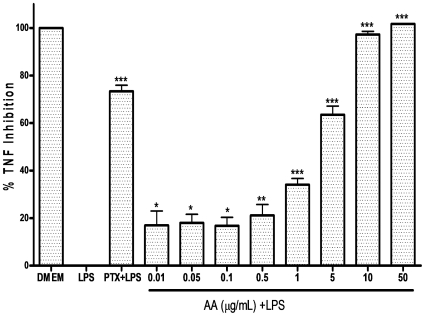
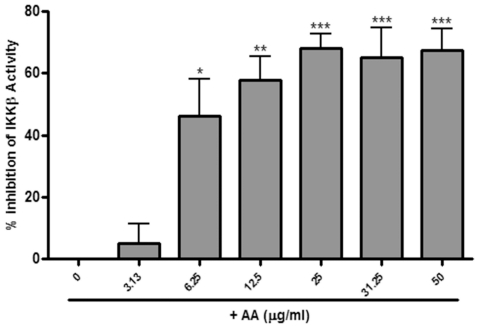
AA effectively inhibited TNF-α release with an IC(50) of 2.7 µg/mL. Moreover, AA significantly inhibited both NO production and iNOS expression. It significantly and dose-dependently inhibited TNF and IL-1β proteins and mRNA expression; as well as IL-6 and KC proteins. Additionally, AA prevented the translocation of NF-κB in both cell lines; suggesting that it is acting at a post receptor level. This was confirmed by AA's ability to inhibit IKKβ activity, a kinase responsible for activating NF-κB, hence providing an insight on AA's mechanism of action. Finally, AA significantly reduced TNF production in vivo.
This study presents the potential utilization of this compound, as a lead for the development of an anti-inflammatory drug.
17-O-乙酰筋骨草内酯(AA)是一种从植物 Neouvaria foetida 中首次分离出来的二萜类化合物。本研究旨在探讨该化合物的体内外抗炎作用。
首先采用脂多糖(LPS)刺激的 RAW264.7 细胞模型,检测植物提取物对肿瘤坏死因子-α(TNF-α)释放的影响。根据生物活性导向分离,鉴定出活性化合物为 AA。检测 AA 抑制一氧化氮(NO)生成及诱导型一氧化氮合酶(iNOS)表达的能力。采用实时定量 RT-PCR 及酶联免疫吸附试验(ELISA)检测 AA 对 TNF、IL-1β、IL-6、KC 和 GM-CSF 等多种促炎细胞因子表达的影响。此外,采用 Western blot 检测 AA 对 LPS 诱导的 RAW264.7 细胞及 TNF 诱导的 L929 细胞中转录因子核因子-κB(NF-κB)易位的影响,并进一步检测 AA 对 NF-κB 激酶β(IKKβ)活性的影响。最后,通过 LPS 诱导的 TNF 产生实验评价 AA 的体内抗炎活性。
AA 可有效抑制 TNF-α的释放,IC50 为 2.7µg/mL。AA 可显著抑制 NO 生成及 iNOS 表达,明显抑制 TNF 和 IL-1β蛋白及 mRNA 的表达,对 IL-6 和 KC 蛋白也有抑制作用。此外,AA 可抑制 NF-κB 在两种细胞系中的易位,提示其作用于受体后水平。这一结果可通过 AA 抑制 IKKβ活性得到证实,IKKβ是一种能激活 NF-κB 的激酶,从而为 AA 的作用机制提供了依据。最后,AA 可显著降低 LPS 诱导的 TNF 产生。
本研究为开发抗炎药物提供了先导化合物 17-O-乙酰筋骨草内酯的应用潜力。