Department of Molecular Virology, Immunology, and Medical Genetics, The Ohio State University Medical Center, Columbus, OH 43210, USA.
Virology. 2011 Feb 20;410(2):291-8. doi: 10.1016/j.virol.2010.11.016. Epub 2010 Dec 17.
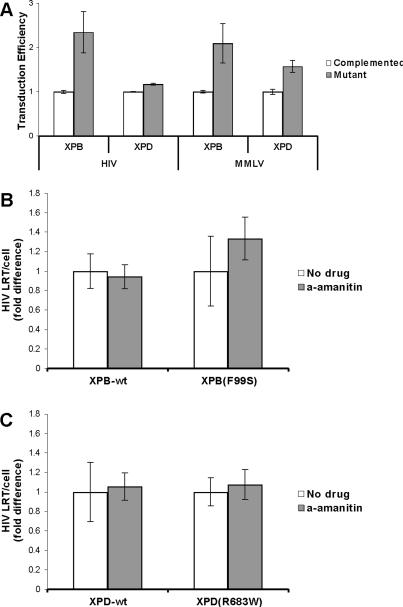
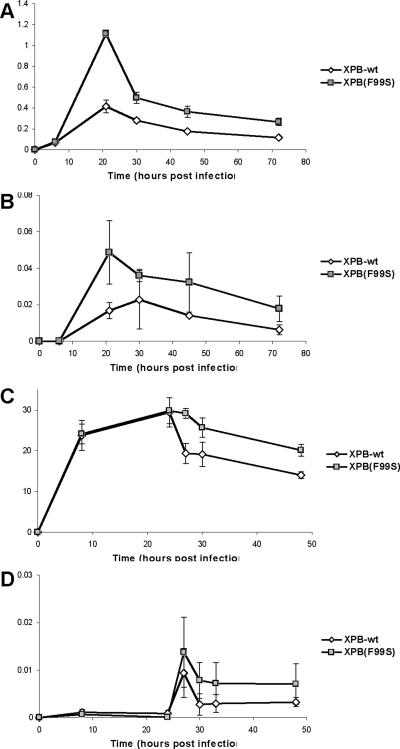
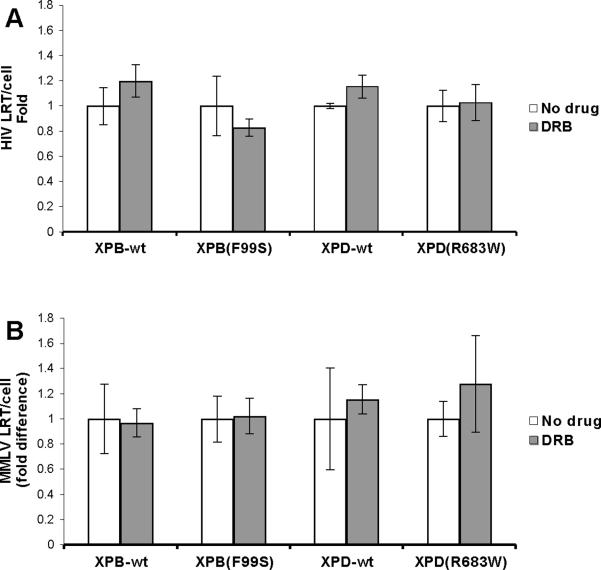
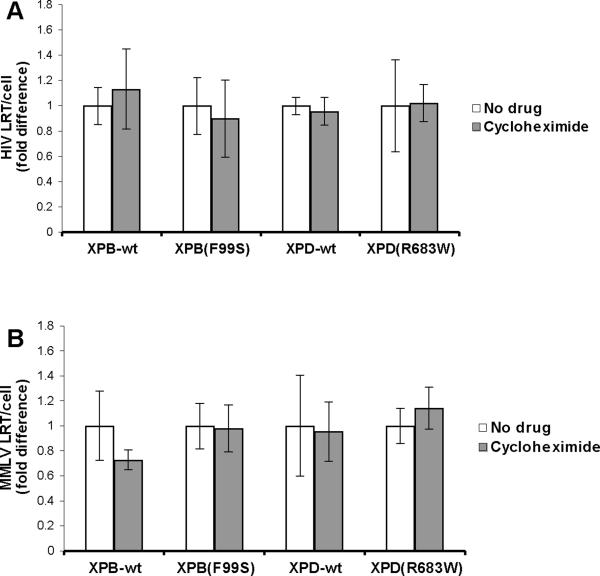
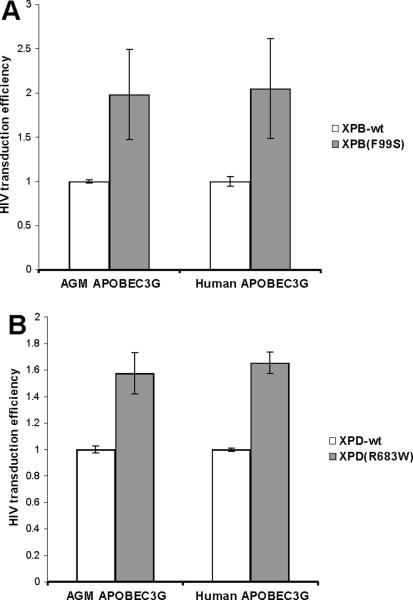
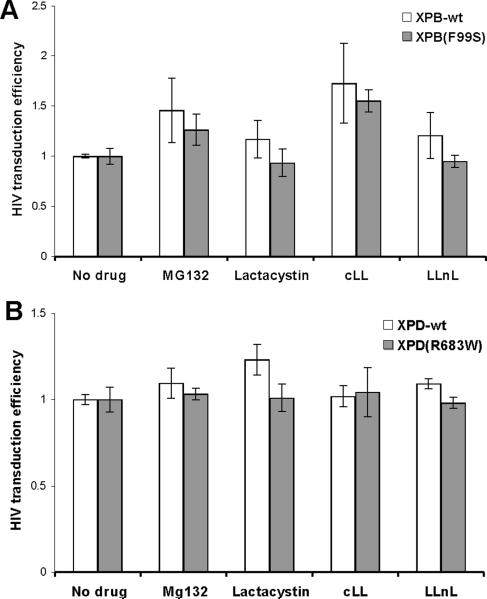
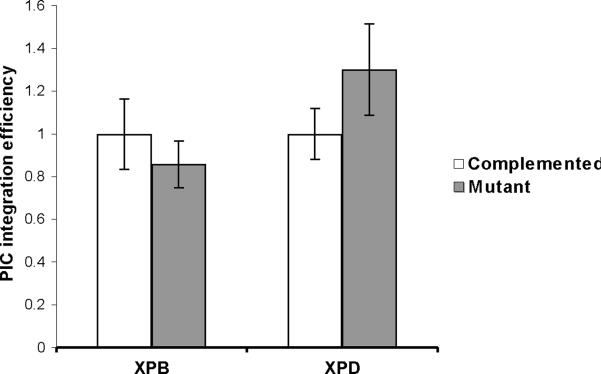
Retroviruses must integrate their cDNA to a host chromosome, but a significant fraction of retroviral cDNA is degraded before integration. XPB and XPD are part of the TFIIH complex which mediates basal transcription and DNA nucleotide excision repair. Retroviral infection increases when XPB or XPD are mutant. Here we show that inhibition of mRNA or protein synthesis does not affect HIV cDNA accumulation suggesting that TFIIH transcription activity is not required for degradation. Other host factors implicated in the stability of cDNA are not components of the XPB and XPD degradation pathway. Although an increase of retroviral cDNA in XPB or XPD mutant cells correlates with an increase of integrated provirus, the integration efficiency of pre-integration complexes is unaffected. Finally, HIV and MMLV cDNA degradation appears to coincide with nuclear import. These results suggest that TFIIH mediated cDNA degradation is a nuclear host defense against retroviral infection.
逆转录病毒必须将其 cDNA 整合到宿主染色体中,但在整合之前,很大一部分逆转录病毒 cDNA 会被降解。XPB 和 XPD 是 TFIIH 复合物的一部分,该复合物介导基础转录和 DNA 核苷酸切除修复。当 XPB 或 XPD 发生突变时,逆转录病毒的感染会增加。在这里,我们表明,抑制 mRNA 或蛋白质合成不会影响 HIV cDNA 的积累,这表明 TFIIH 转录活性不是降解所必需的。其他涉及 cDNA 稳定性的宿主因子不是 XPB 和 XPD 降解途径的组成部分。尽管在 XPB 或 XPD 突变细胞中,逆转录病毒 cDNA 的增加与整合前复合物的整合效率无关,但整合前复合物的整合效率不受影响。最后,HIV 和 MMLV cDNA 的降解似乎与核输入同时发生。这些结果表明,TFIIH 介导的 cDNA 降解是一种针对逆转录病毒感染的核宿主防御机制。