Eosinophil Biology Section, Laboratory of Allergic Diseases, National Institute of Allergy and Infectious Diseases, National Institutes of Health, Bethesda, MD 20892, USA.
J Immunol. 2011 Jan 15;186(2):1151-61. doi: 10.4049/jimmunol.1001751. Epub 2010 Dec 17.
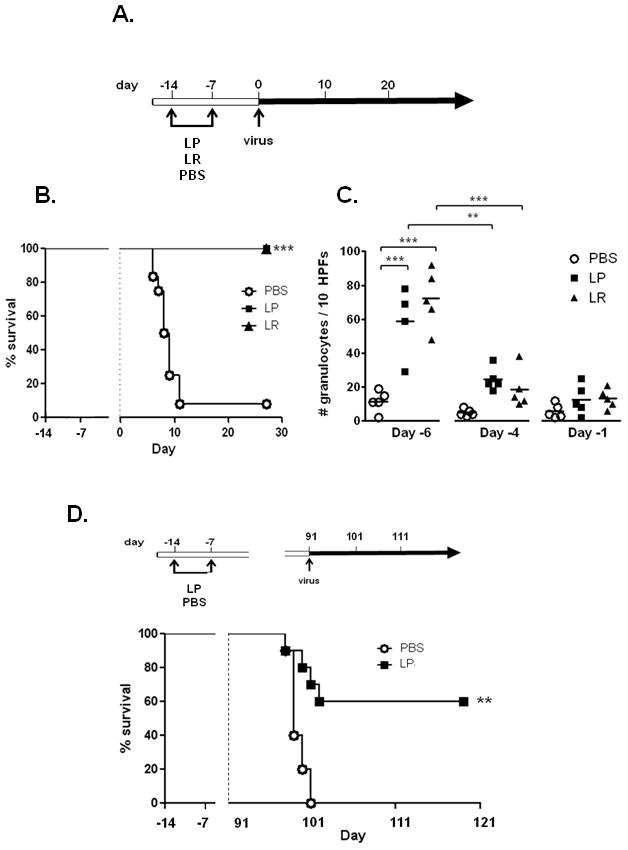
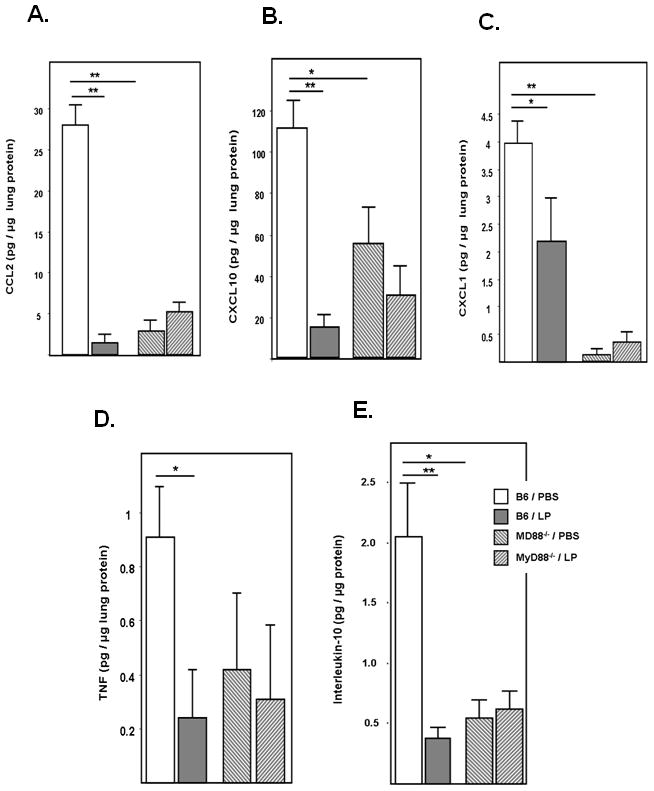
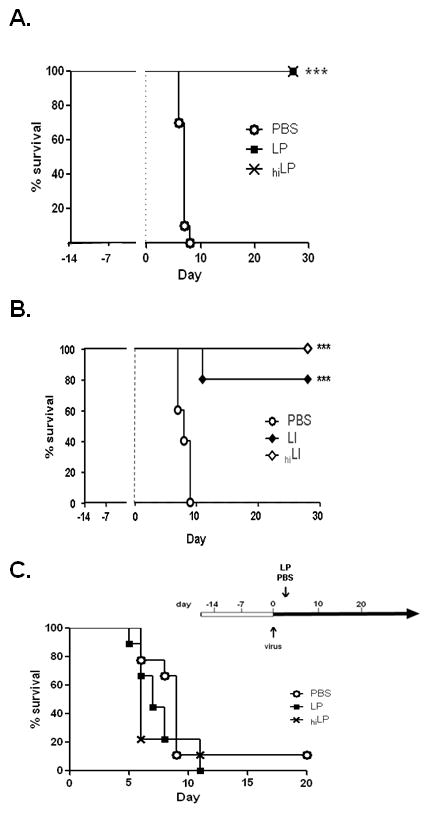
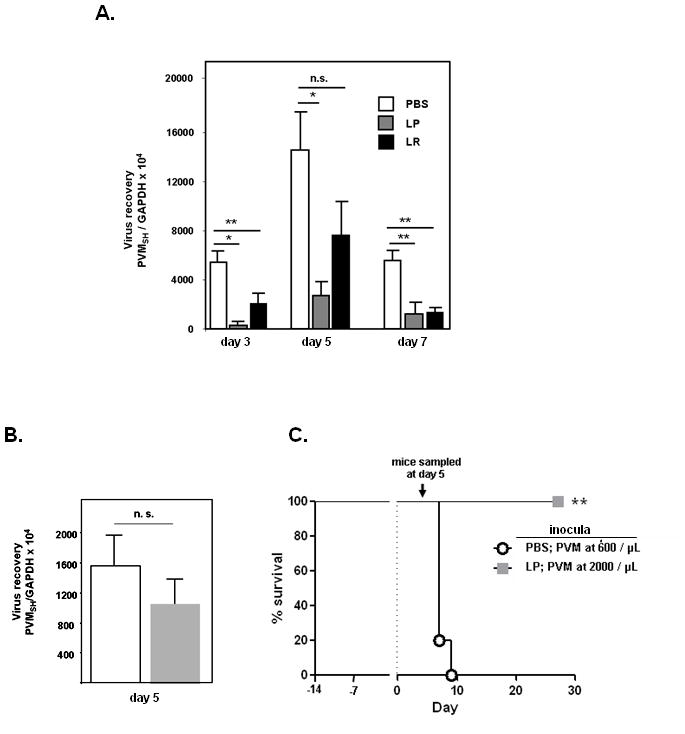
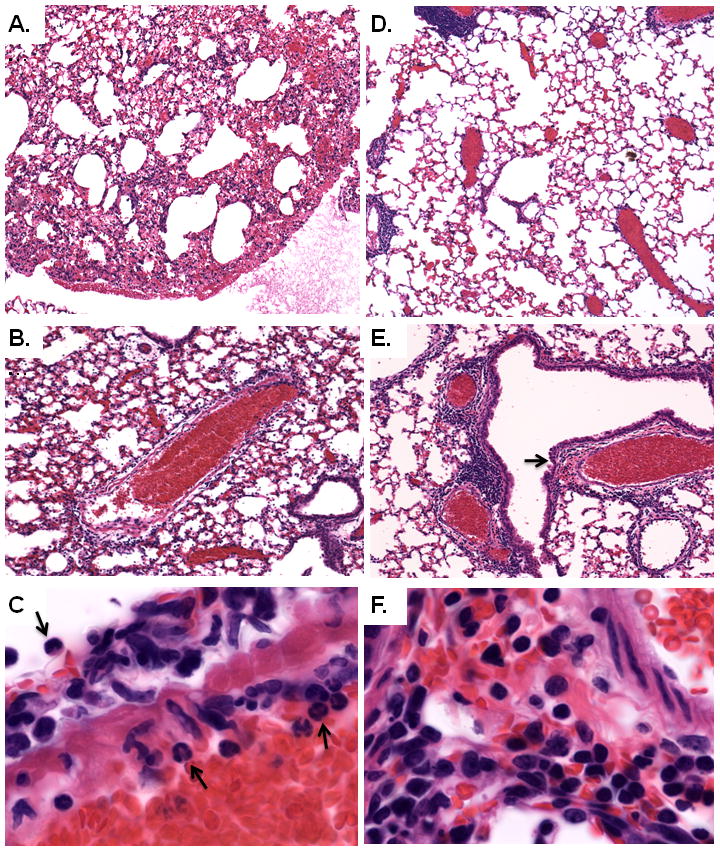
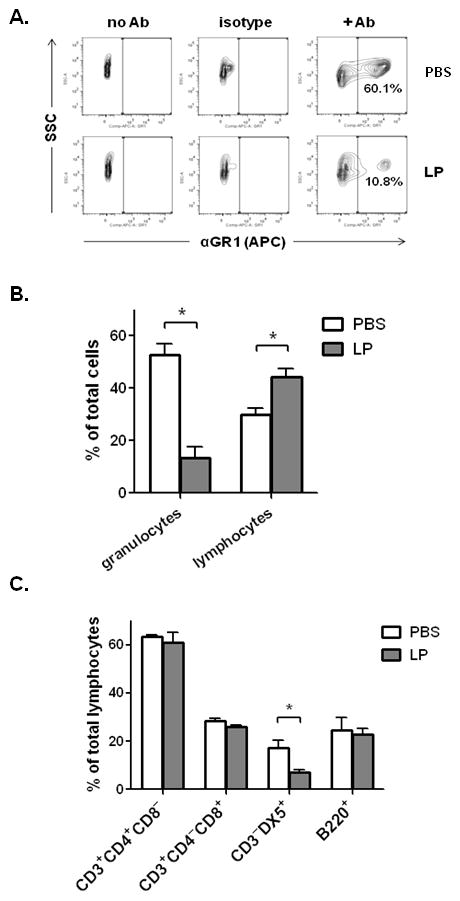
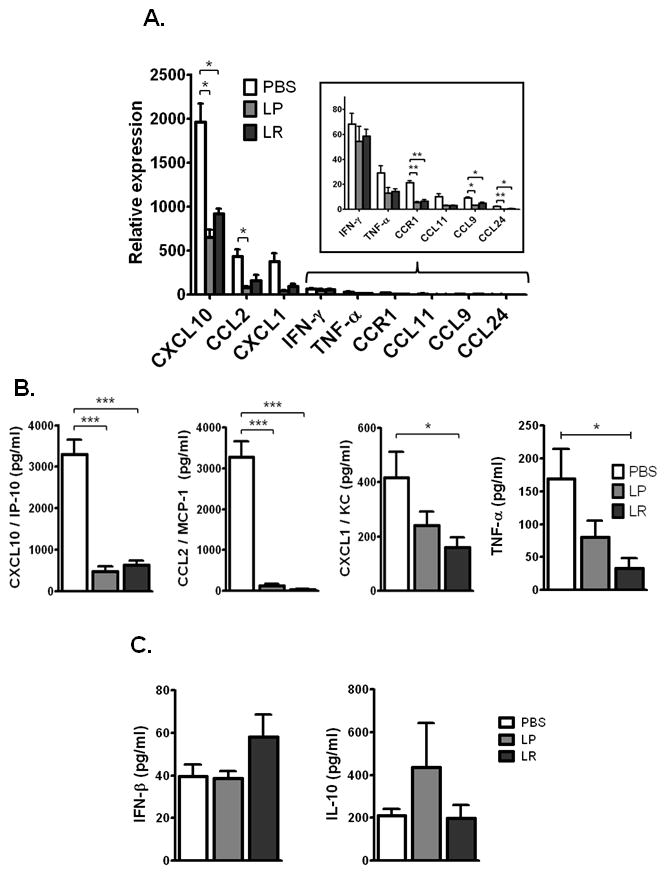
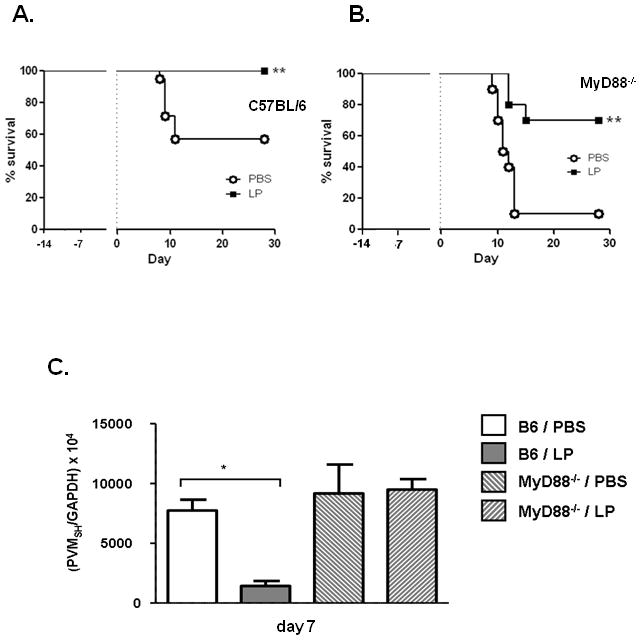
The inflammatory response to respiratory virus infection can be complex and refractory to standard therapy. Lactobacilli, when targeted to the respiratory epithelium, are highly effective at suppressing virus-induced inflammation and protecting against lethal disease. Specifically, wild-type mice primed via intranasal inoculation with live or heat-inactivated Lactobacillus plantarum or Lactobacillus reuteri were completely protected against lethal infection with the virulent rodent pathogen, pneumonia virus of mice; significant protection (60% survival) persisted for at least 13 wk. Protection was not unique to Lactobacillus species, and it was also observed in response to priming with nonpathogenic Gram-positive Listeria innocua. Priming with live lactobacilli resulted in diminished granulocyte recruitment, diminished expression of multiple proinflammatory cytokines (CXCL10, CXCL1, CCL2, and TNF), and reduced virus recovery, although we have demonstrated clearly that absolute virus titer does not predict clinical outcome. Lactobacillus priming also resulted in prolonged survival and protection against the lethal sequelae of pneumonia virus of mice infection in MyD88 gene-deleted (MyD88(-/-)) mice, suggesting that the protective mechanisms may be TLR-independent. Most intriguing, virus recovery and cytokine expression patterns in Lactobacillus-primed MyD88(-/-) mice were indistinguishable from those observed in control-primed MyD88(-/-) counterparts. In summary, we have identified and characterized an effective Lactobacillus-mediated innate immune shield, which may ultimately serve as critical and long-term protection against infection in the absence of specific antiviral vaccines.
呼吸道病毒感染的炎症反应可能很复杂,并且对标准疗法有抗性。当乳杆菌靶向呼吸道上皮细胞时,它能非常有效地抑制病毒引起的炎症,并防止致命疾病。具体来说,通过鼻内接种活的或热灭活的植物乳杆菌或鼠李糖乳杆菌对致命的鼠源病原体鼠肺炎病毒进行预接种的野生型小鼠完全免受致命感染的影响;至少 13 周的时间里,保护作用仍然存在(60%的存活率)。这种保护作用不仅限于乳杆菌属,对非致病性革兰氏阳性李斯特菌的预接种也观察到了这种保护作用。活乳杆菌的预接种导致粒细胞募集减少,多种促炎细胞因子(CXCL10、CXCL1、CCL2 和 TNF)的表达减少,病毒恢复减少,尽管我们已经清楚地表明绝对病毒滴度并不能预测临床结果。乳杆菌的预接种也导致 MyD88 基因缺失(MyD88(-/-))小鼠对鼠肺炎病毒感染的致命后果的存活时间延长和保护作用,这表明保护机制可能与 TLR 无关。最有趣的是,在乳杆菌预接种的 MyD88(-/-)小鼠中,病毒恢复和细胞因子表达模式与在对照预接种的 MyD88(-/-)小鼠中观察到的模式没有区别。总之,我们已经确定并描述了一种有效的乳杆菌介导的先天免疫保护机制,它可能最终成为在没有特异性抗病毒疫苗的情况下对抗感染的关键和长期保护。