School of Life Sciences, University of Nevada-Las Vegas, Las Vegas, Nevada, United States of America.
PLoS One. 2010 Dec 14;5(12):e14332. doi: 10.1371/journal.pone.0014332.
Dominant mutations in both human Presenilin (Psn) genes have been correlated with the formation of amyloid plaques and development of familial early-onset Alzheimer's disease (AD). However, a definitive mechanism whereby plaque formation causes the pathology of familial and sporadic forms of AD has remained elusive. Recent discoveries of several substrates for Psn protease activity have sparked alternative hypotheses for the pathophysiology underlying AD. CBP (CREB-binding protein) is a haplo-insufficient transcriptional co-activator with histone acetly-transferase (HAT) activity that has been proposed to be a downstream target of Psn signaling. Individuals with altered CBP have cognitive deficits that have been linked to several neurological disorders.
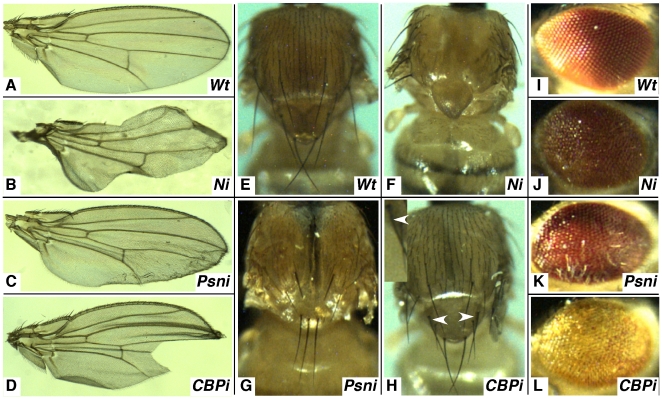
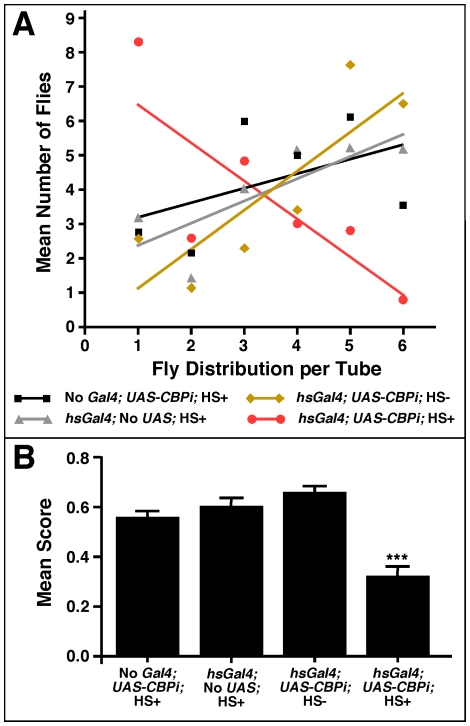
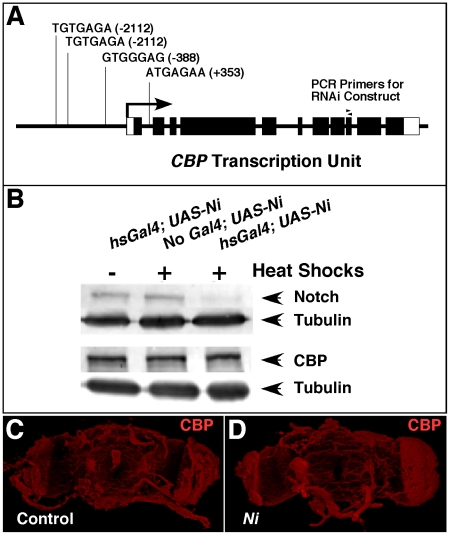
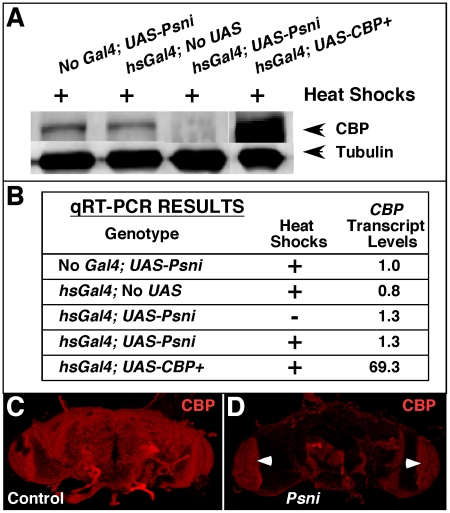
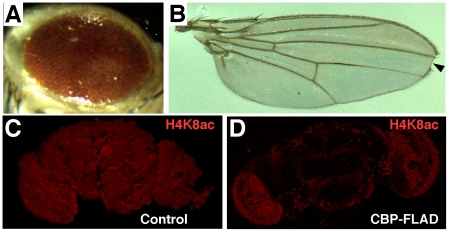
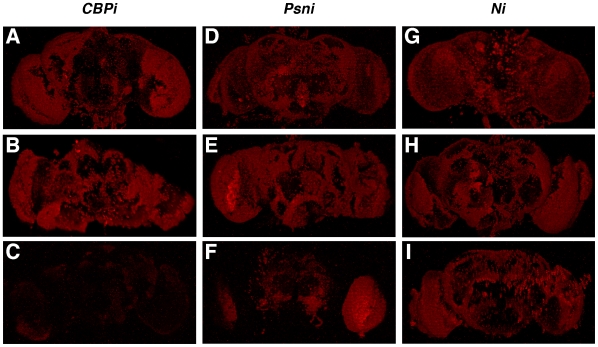
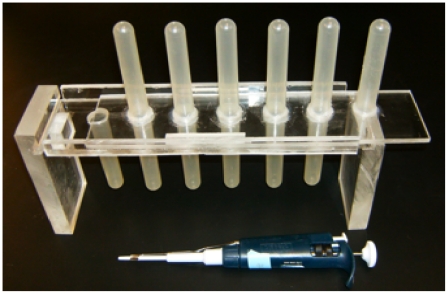
METHODOLOGY/PRINCIPAL FINDINGS: Using a transgenic RNA-interference strategy to selectively silence CBP, Psn, and Notch in adult Drosophila, we provide evidence for the first time that Psn is required for normal CBP levels and for maintaining specific global acetylations at lysine 8 of histone 4 (H4K8ac) in the central nervous system (CNS). In addition, flies conditionally compromised for the adult-expression of CBP display an altered geotaxis behavior that may reflect a neurological defect.
CONCLUSIONS/SIGNIFICANCE: Our data support a model in which Psn regulates CBP levels in the adult fly brain in a manner that is independent of Notch signaling. Although we do not understand the molecular mechanism underlying the association between Psn and CBP, our results underscore the need to learn more about the basic relationship between Psn-regulated substrates and essential functions of the nervous system.
人类早老素(Presenilin,Psn)基因的显性突变与淀粉样斑块的形成和家族性早发性阿尔茨海默病(Alzheimer's disease,AD)的发展有关。然而,斑块形成导致家族性和散发性 AD 病理的确切机制仍然难以捉摸。最近发现了几种 Psn 蛋白酶活性的底物,这为 AD 潜在病理生理学提出了替代假说。CBP(CREB 结合蛋白)是一种具有组蛋白乙酰转移酶(histone acetyltransferase,HAT)活性的单倍体不足转录共激活因子,它被提议是 Psn 信号的下游靶标。具有改变的 CBP 的个体具有认知缺陷,这些缺陷与几种神经障碍有关。
方法/主要发现:我们使用转基因 RNA 干扰策略选择性地沉默成年果蝇中的 CBP、Psn 和 Notch,首次提供证据表明,Psn 是维持中枢神经系统(central nervous system,CNS)中 CBP 水平和特定组蛋白 H4K8ac 赖氨酸 8 处特定全局乙酰化所必需的。此外,成年表达 CBP 条件性受损的果蝇表现出改变的趋地行为,这可能反映了神经缺陷。
结论/意义:我们的数据支持这样一种模型,即 Psn 以一种独立于 Notch 信号的方式调节成年果蝇大脑中的 CBP 水平。虽然我们不了解 Psn 和 CBP 之间关联的分子机制,但我们的结果强调需要更多地了解 Psn 调节的底物与神经系统基本功能之间的基本关系。