Division of Cytogenetics, National Institute of Genetics/The Graduate University for Advanced Studies, SOKENDAI, 1111 Yata, Mishima, Shizuoka, Japan.
Cell Mol Life Sci. 2011 Apr;68(8):1395-403. doi: 10.1007/s00018-010-0613-2. Epub 2011 Jan 5.
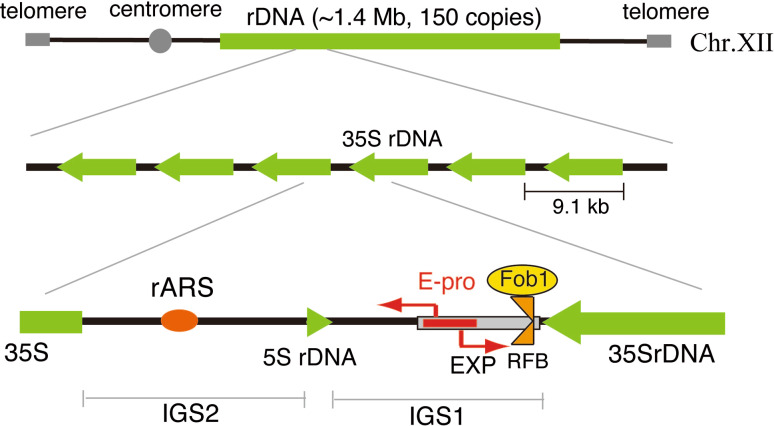
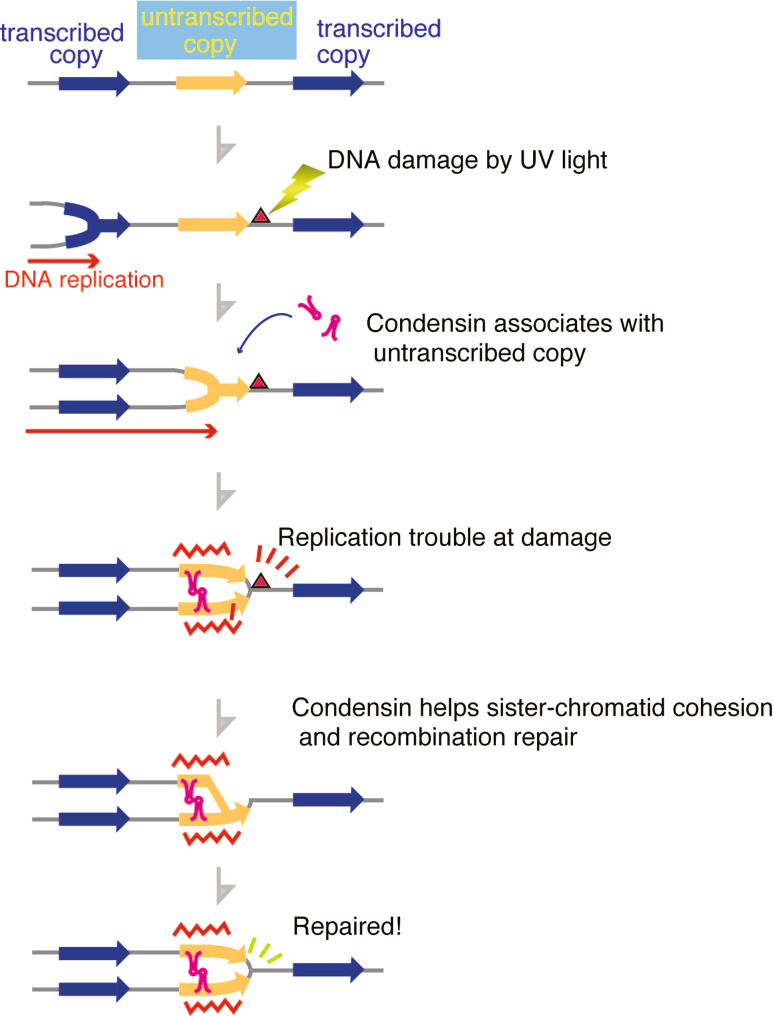
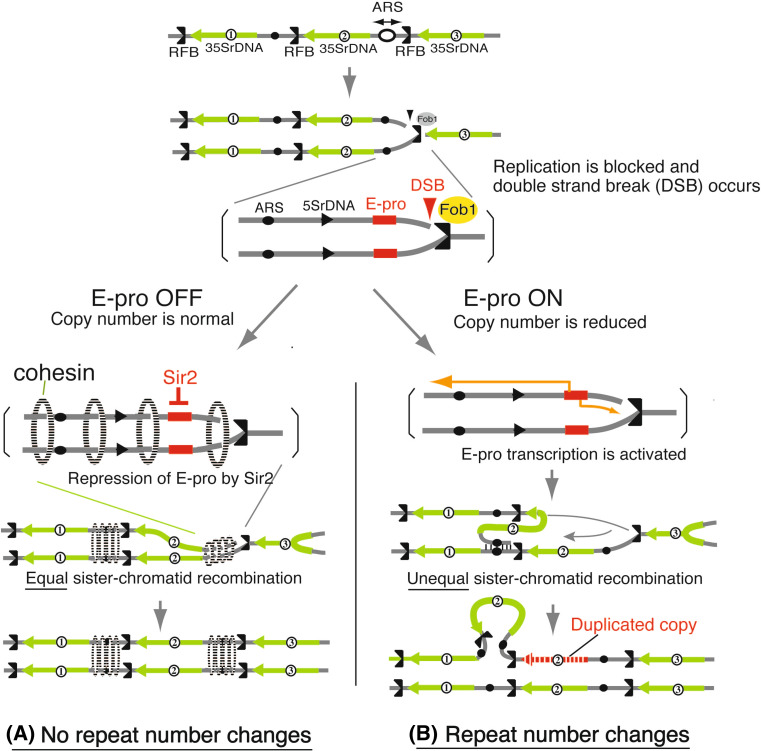
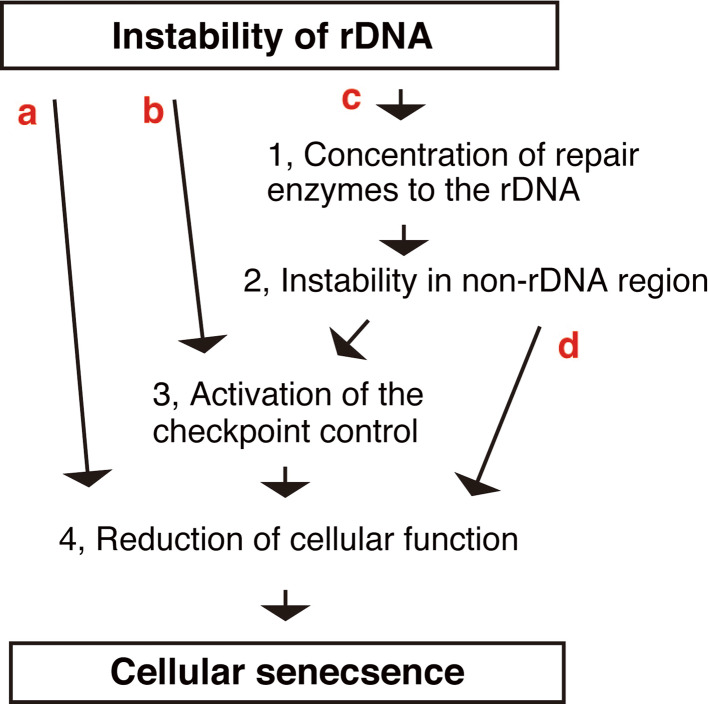
The genes encoding ribosomal RNA (rRNA) are the most abundant genes in the eukaryotic genome. They reside in tandem repetitive clusters, in some cases totaling hundreds of copies. Due to their repetitive structure and highly active transcription, the rRNA gene repeats are some of the most fragile sites in the chromosome. A unique gene amplification system compensates for loss of copies, thus maintaining copy number, albeit with some fluctuations. The unusual nature of rRNA gene repeats affects cellular functions such as senescence. In addition, we recently found that the repeat number determines sensitivity to DNA damage. In this review, I would like to introduce a new aspect of the rRNA gene repeat (called rDNA) as a center of maintenance of genome integrity and discuss its contribution to evolution.
核糖体 RNA(rRNA)基因是真核生物基因组中最丰富的基因。它们位于串联重复簇中,在某些情况下总计有数百个拷贝。由于其重复结构和高度活跃的转录,rRNA 基因重复是染色体中最脆弱的部位之一。一个独特的基因扩增系统补偿了拷贝数的损失,从而维持了拷贝数,尽管存在一些波动。rRNA 基因重复的特殊性质影响细胞功能,如衰老。此外,我们最近发现重复次数决定了对 DNA 损伤的敏感性。在这篇综述中,我想介绍 rRNA 基因重复(称为 rDNA)作为维持基因组完整性的中心的一个新方面,并讨论它对进化的贡献。