Beth Israel Deaconess Cancer Center, Department of Medicine and Pathology, Beth Israel Deaconess Medical Center, Harvard Medical School, Boston, MA 02215, USA.
Cell. 2011 Jan 21;144(2):187-99. doi: 10.1016/j.cell.2010.12.020.
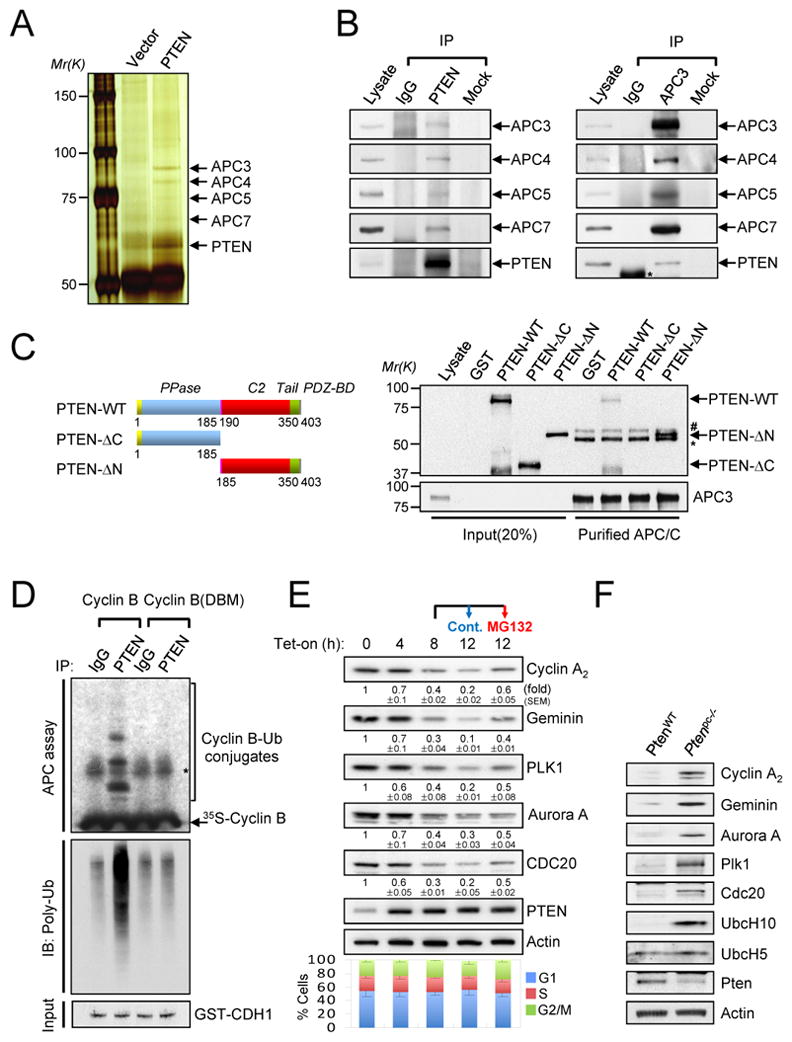
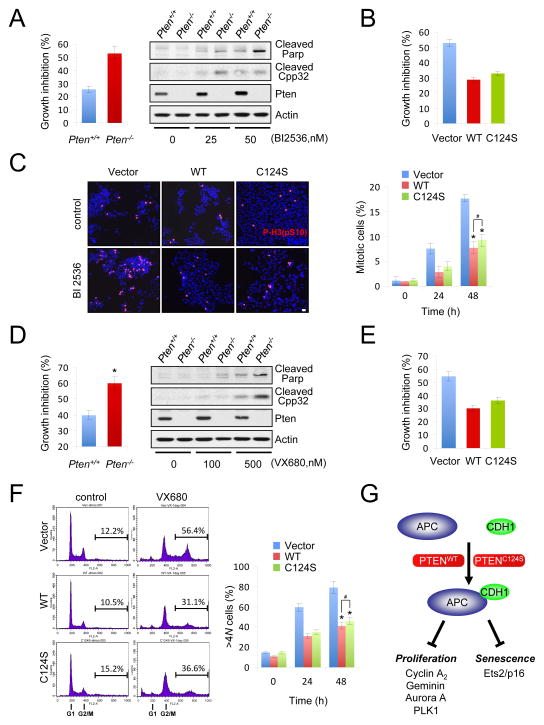
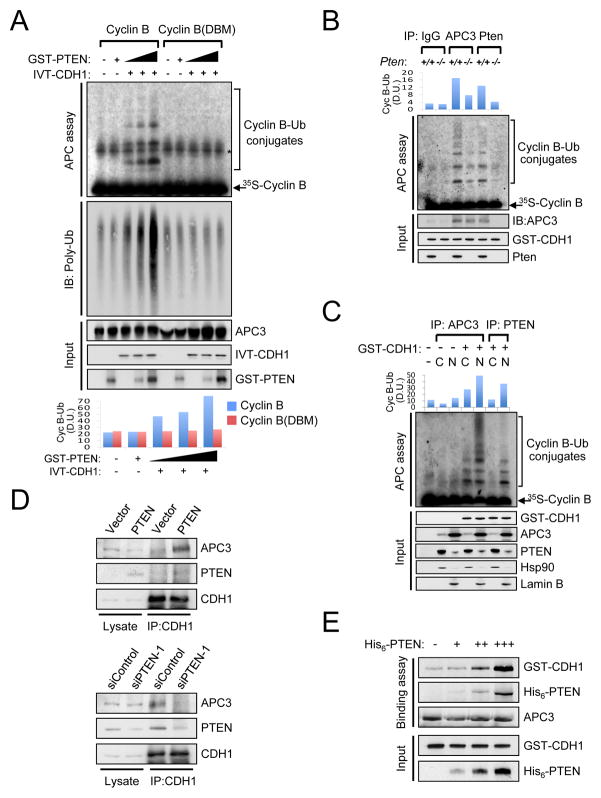
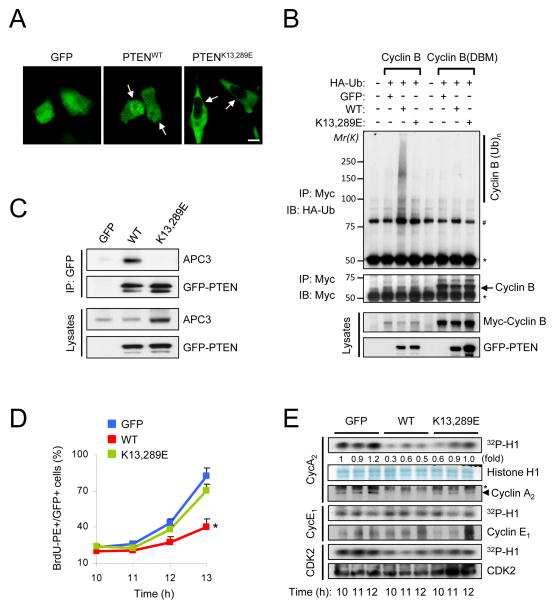
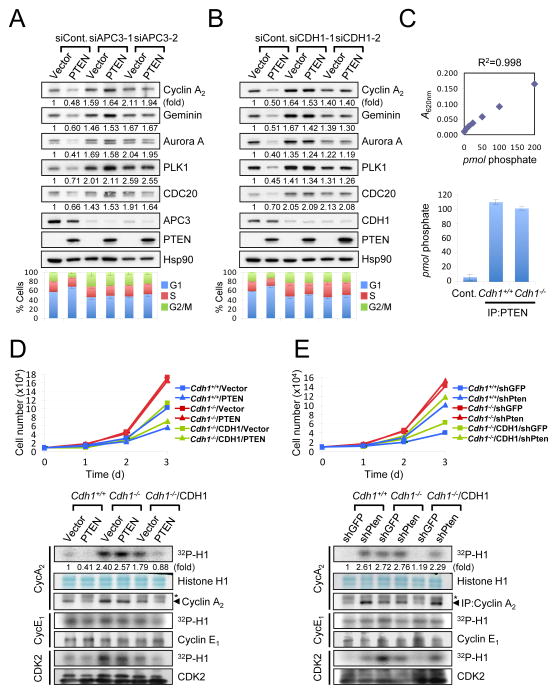
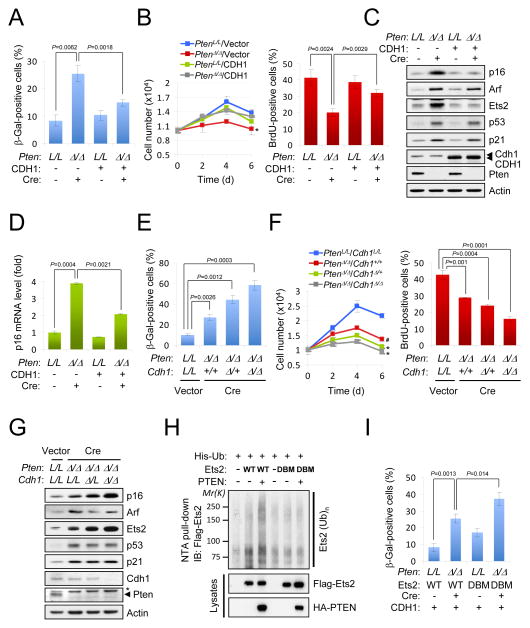
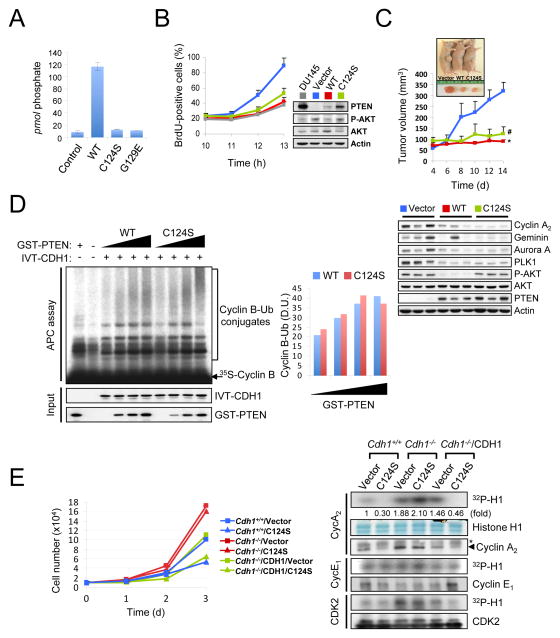
PTEN is a frequently mutated tumor suppressor gene that opposes the PI3K/AKT pathway through dephosphorylation of phosphoinositide-3,4,5-triphosphate. Recently, nuclear compartmentalization of PTEN was found as a key component of its tumor-suppressive activity; however its nuclear function remains poorly defined. Here we show that nuclear PTEN interacts with APC/C, promotes APC/C association with CDH1, and thereby enhances the tumor-suppressive activity of the APC-CDH1 complex. We find that nuclear exclusion but not phosphatase inactivation of PTEN impairs APC-CDH1. This nuclear function of PTEN provides a straightforward mechanistic explanation for the fail-safe cellular senescence response elicited by acute PTEN loss and the tumor-suppressive activity of catalytically inactive PTEN. Importantly, we demonstrate that PTEN mutant and PTEN null states are not synonymous as they are differentially sensitive to pharmacological inhibition of APC-CDH1 targets such as PLK1 and Aurora kinases. This finding identifies a strategy for cancer patient stratification and, thus, optimization of targeted therapies. PAPERCLIP:
PTEN 是一种经常发生突变的肿瘤抑制基因,通过去磷酸化磷酸肌醇-3,4,5-三磷酸来拮抗 PI3K/AKT 通路。最近,PTEN 的核区室化被发现是其肿瘤抑制活性的关键组成部分;然而,其核功能仍未得到明确定义。在这里,我们表明核内的 PTEN 与 APC/C 相互作用,促进 APC/C 与 CDH1 的结合,从而增强 APC-CDH1 复合物的肿瘤抑制活性。我们发现,PTEN 的核排斥而非磷酸酶失活会损害 APC-CDH1。PTEN 的这种核功能为急性 PTEN 缺失引起的细胞衰老反应和无催化活性的 PTEN 的肿瘤抑制活性提供了一个直接的机制解释。重要的是,我们证明了 PTEN 突变体和 PTEN 缺失状态并不相同,因为它们对 APC-CDH1 靶标的药理学抑制(如 PLK1 和 Aurora 激酶)的敏感性不同。这一发现为癌症患者分层提供了一种策略,从而优化了靶向治疗。