Department of Radiology, San Francisco General Hospital, University of California, San Francisco, California 94143, USA.
Neurotherapeutics. 2011 Jan;8(1):39-53. doi: 10.1007/s13311-010-0003-3.
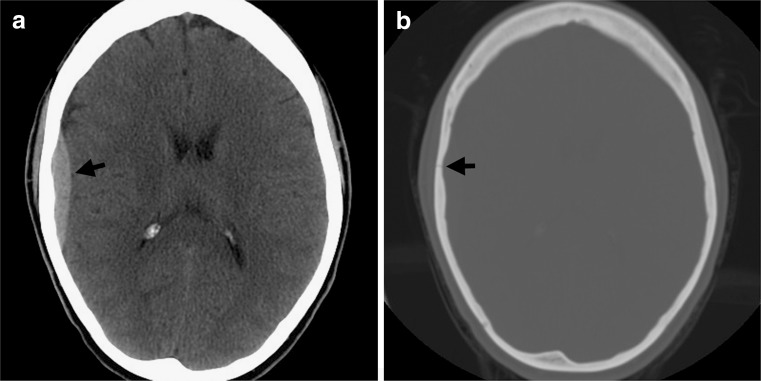
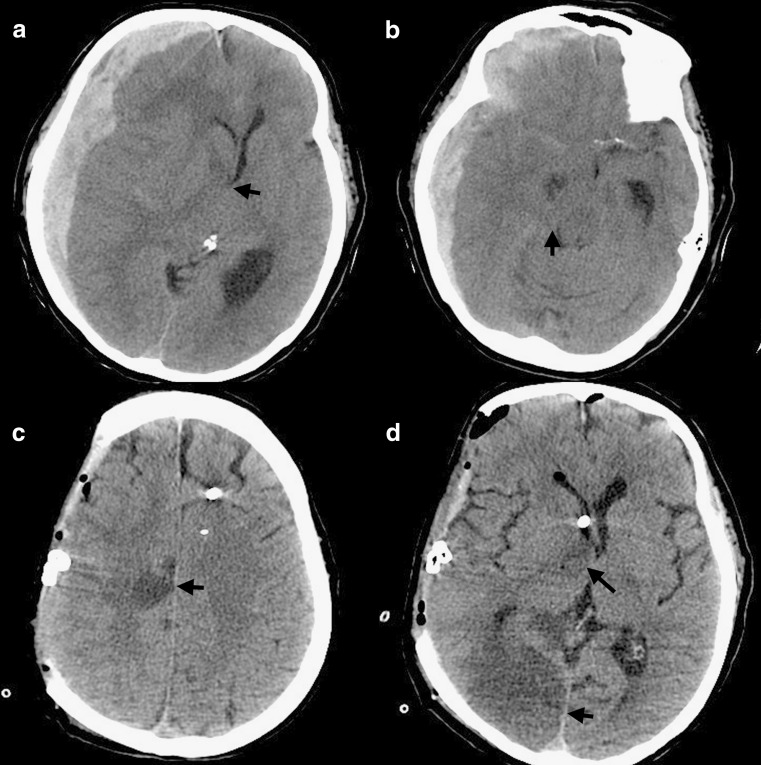
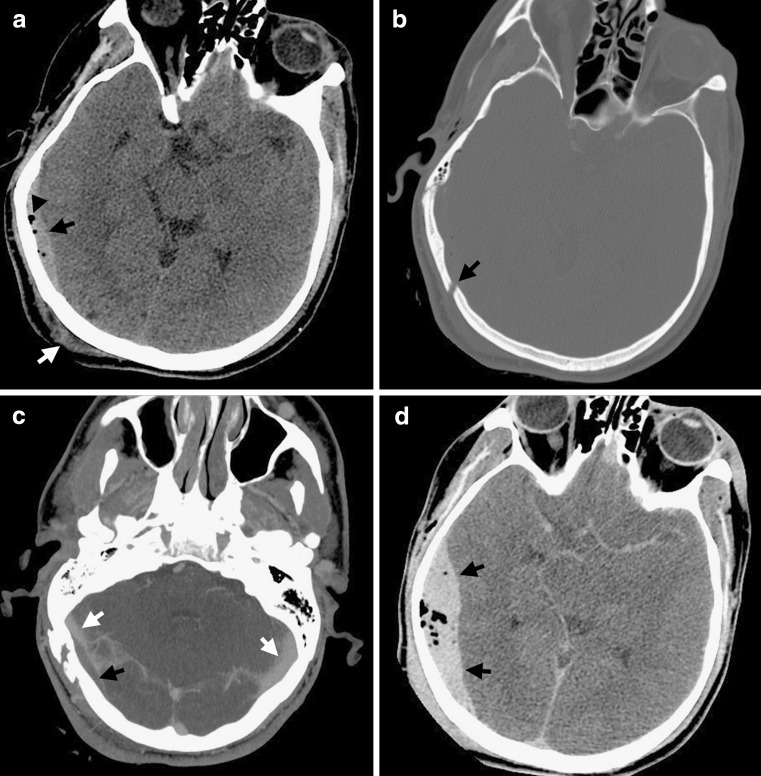
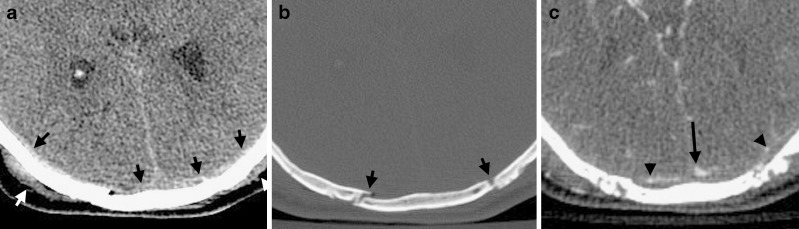
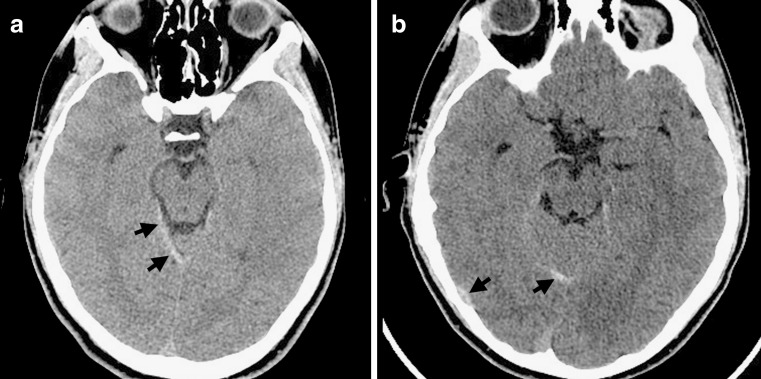
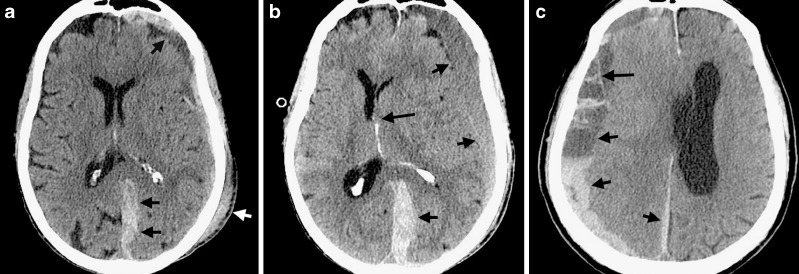
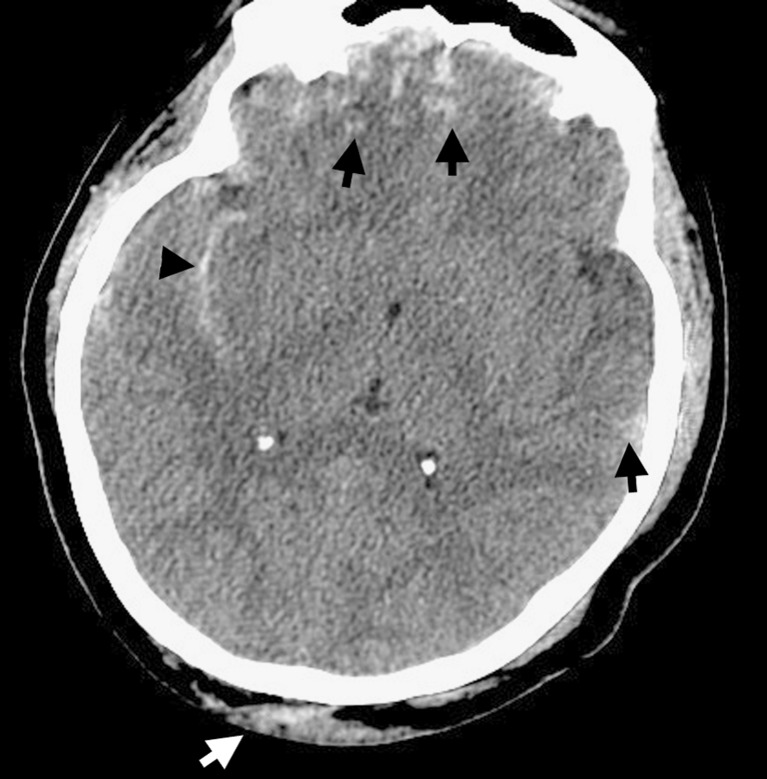
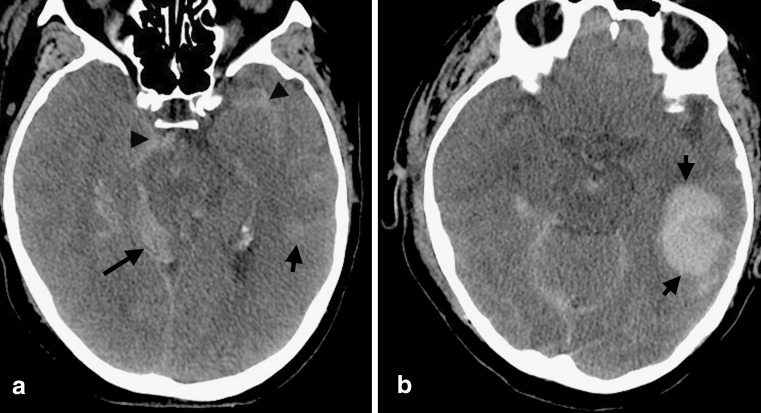
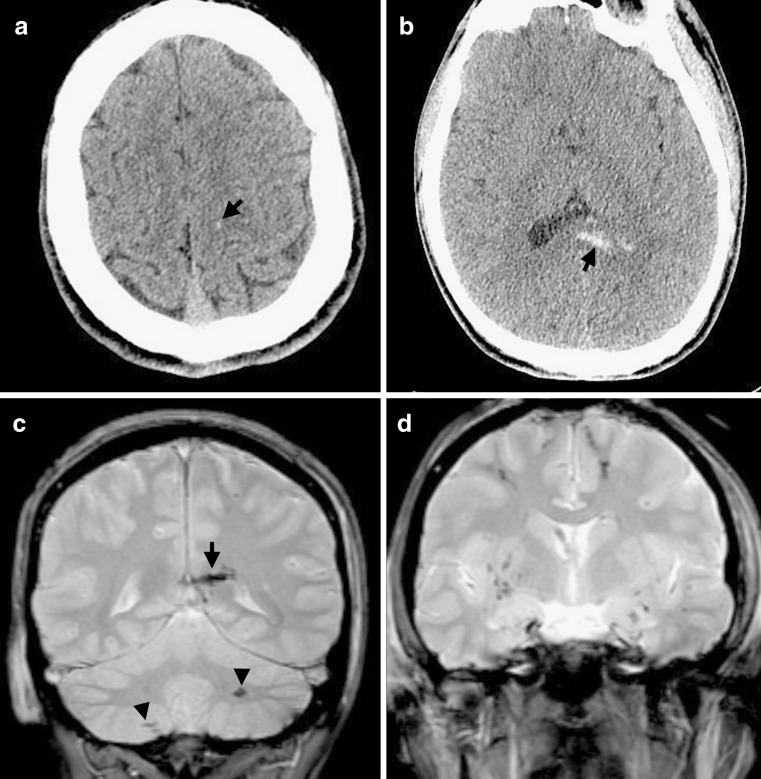
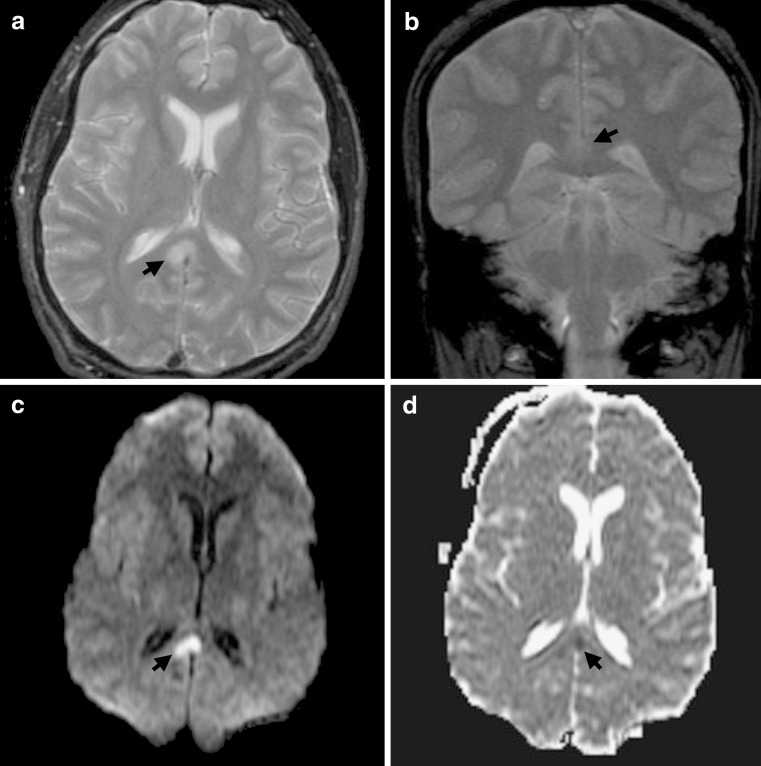
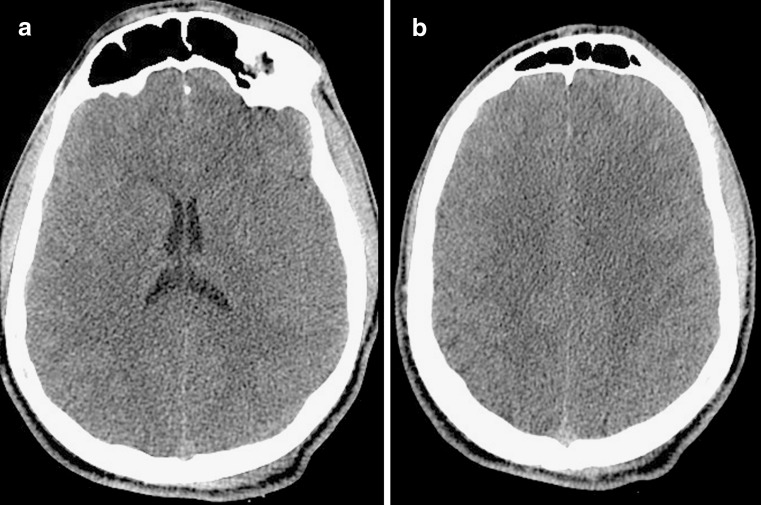
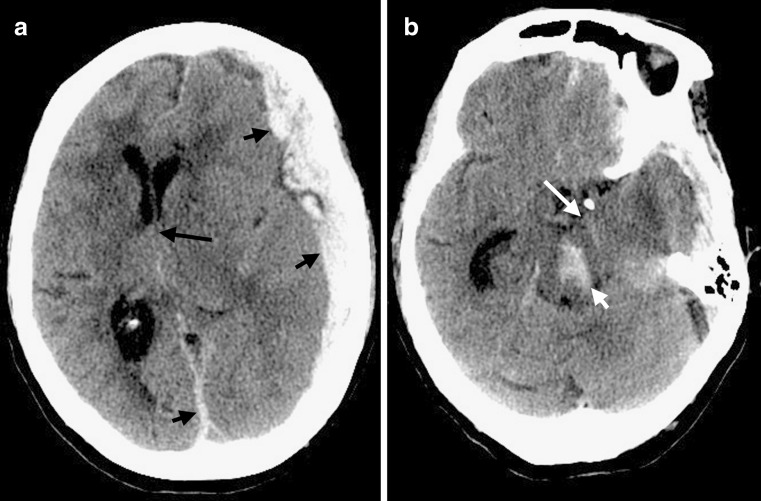
To understand the role of imaging in traumatic brain injury (TBI), it is important to appreciate that TBI encompasses a heterogeneous group of intracranial injuries and includes both insults at the time of impact and a deleterious secondary cascade of insults that require optimal medical and surgical management. Initial imaging identifies the acute primary insult that is essential to diagnosing TBI, but serial imaging surveillance is also critical to identifying secondary injuries such as cerebral herniation and swelling that guide neurocritical management. Computed tomography (CT) is the mainstay of TBI imaging in the acute setting, but magnetic resonance tomography (MRI) has better diagnostic sensitivity for nonhemorrhagic contusions and shear-strain injuries. Both CT and MRI can be used to prognosticate clinical outcome, and there is particular interest in advanced applications of both techniques that may greatly improve the sensitivity of conventional CT and MRI for both the diagnosis and prognosis of TBI.
为了理解影像学在创伤性脑损伤(TBI)中的作用,重要的是要认识到 TBI 涵盖了一组异质的颅内损伤,包括冲击时的损伤以及需要最佳药物和手术治疗的有害继发性损伤级联。初始影像学可识别出急性原发性损伤,这对于诊断 TBI 至关重要,但连续影像学监测对于识别继发性损伤(如脑疝和肿胀)也很关键,这些继发性损伤可指导神经危重症管理。在急性情况下,计算机断层扫描(CT)是 TBI 影像学的主要手段,但磁共振成像(MRI)对非出血性挫伤和剪切应变损伤具有更好的诊断灵敏度。CT 和 MRI 均可用于预测临床预后,人们特别关注这两种技术的高级应用,这些应用可能会极大地提高传统 CT 和 MRI 对 TBI 的诊断和预后的敏感性。