Department of Environmental Science, Policy and Management, University of California, 137 Mulford Hall, Berkeley, CA 94720-3112, USA.
Epidemics. 2009 Mar;1(1):14-20. doi: 10.1016/j.epidem.2008.08.001. Epub 2008 Nov 6.
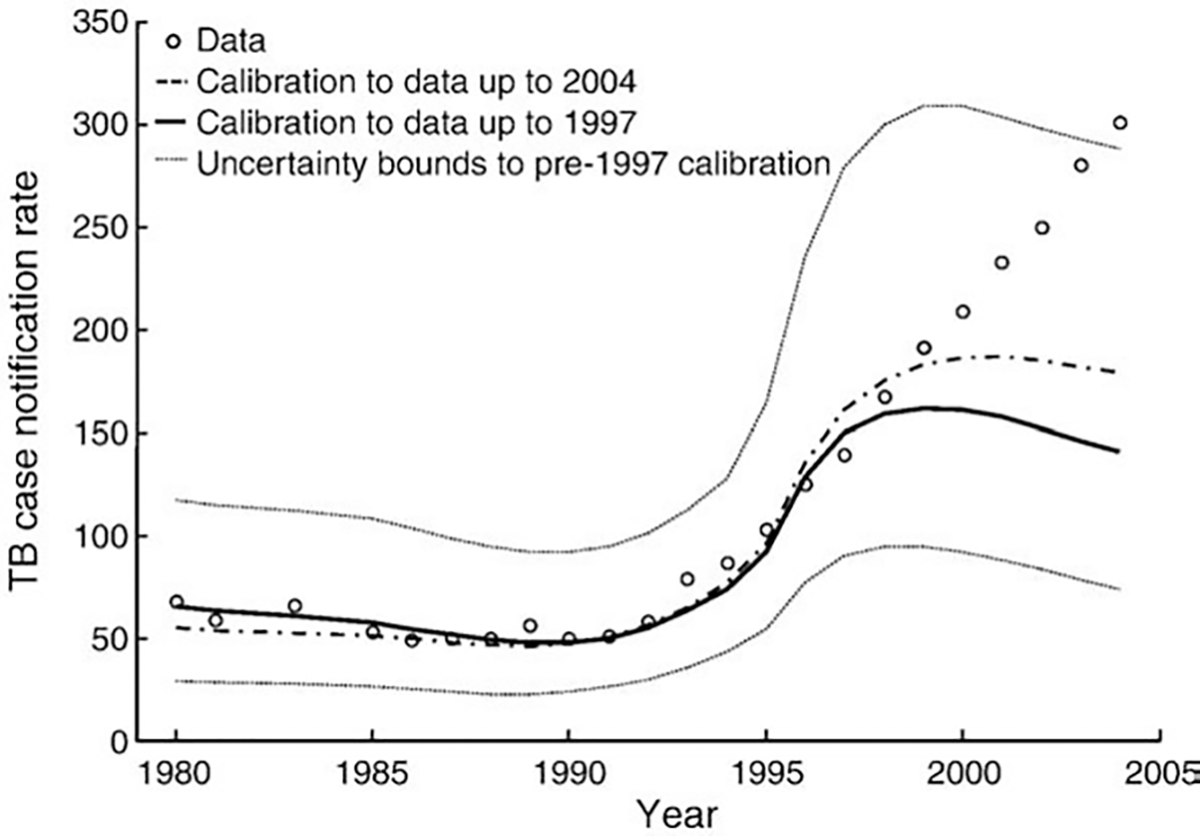
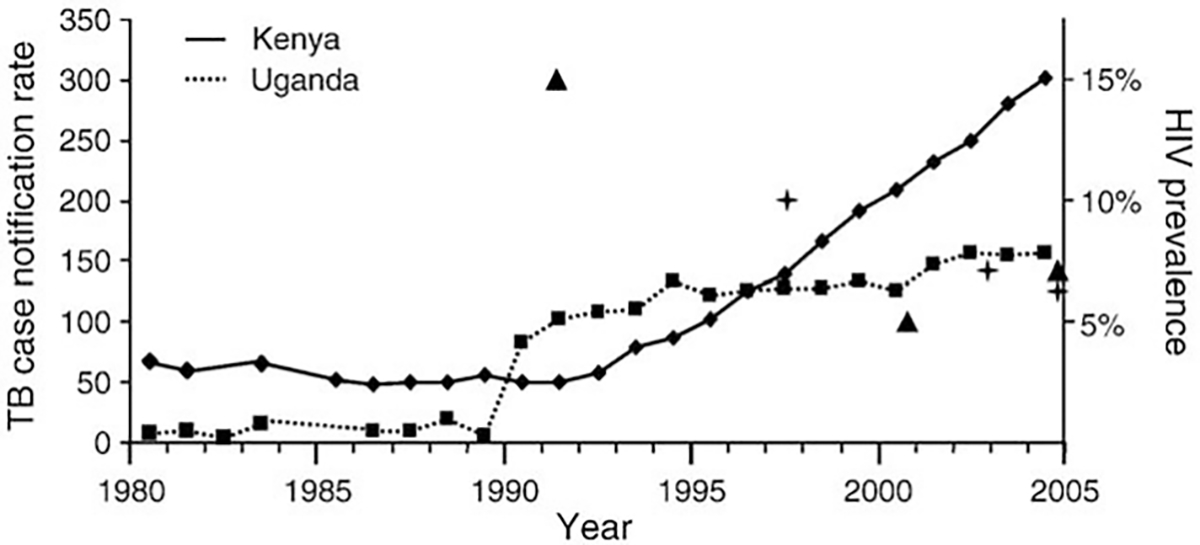
Kenya is heralded as an example of declining HIV in Africa, while its tuberculosis (TB) numbers continue rising. We conducted a comparative investigation of TB-HIV co-dynamics in Africa to determine the likelihood of reported trends.
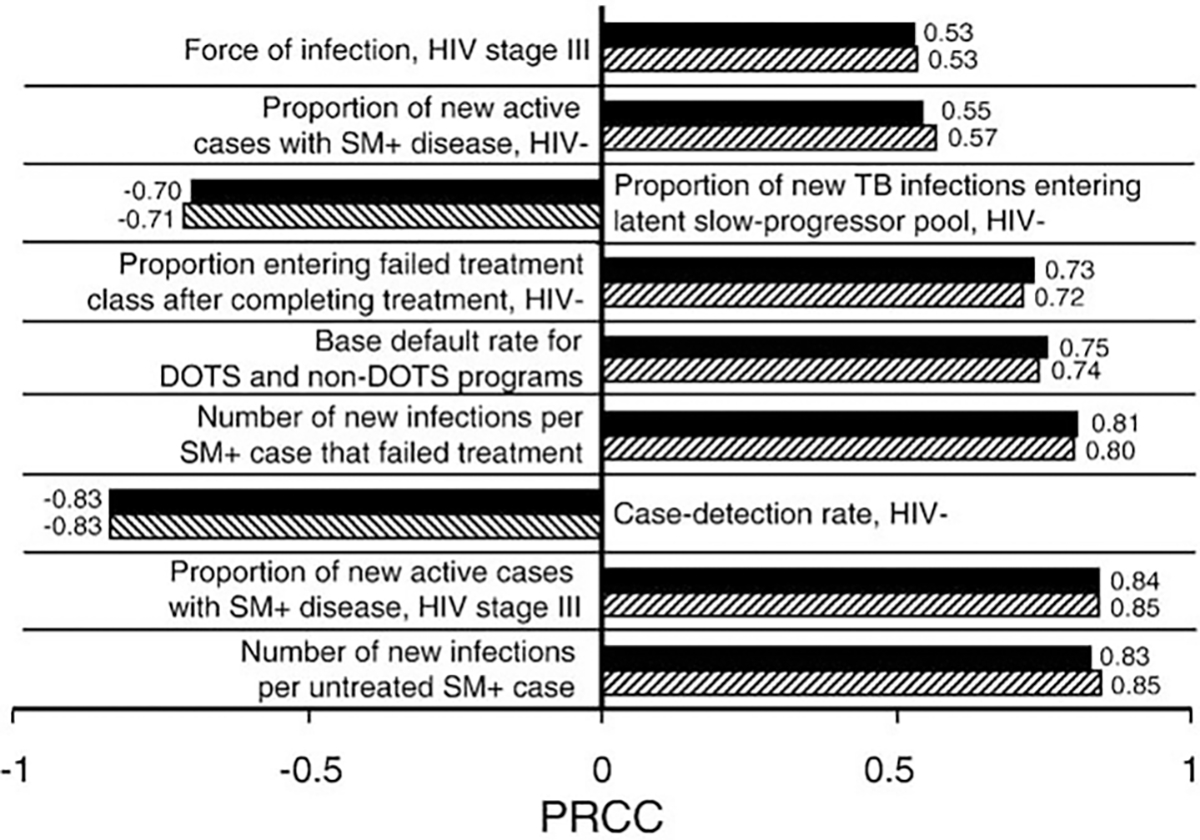
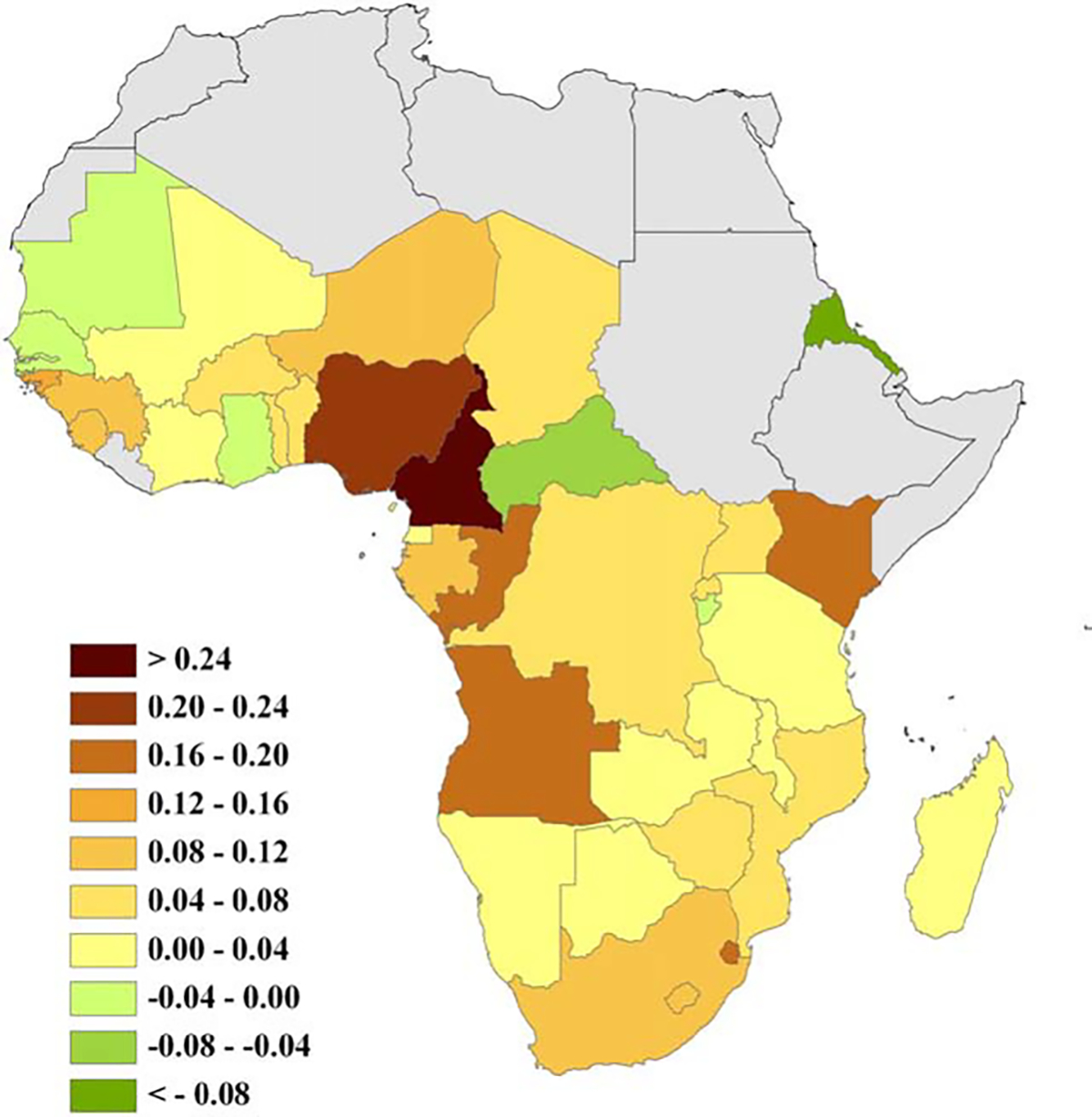
Our mathematical modeling analysis exposes the notable incongruence of reported trends in Kenya because TB-HIV co-dynamics, tightly knit worldwide and most dramatically in sub-Saharan Africa, suggest that declining HIV trends should trigger reductions in TB trends. Moreover, a continental-scale analysis of TB-HIV trends places Kenya as an outlier in eastern and southern Africa, and shows TB outpacing HIV in western central Africa. We further investigate which TB processes across HIV stages have greater potential to reduce TB incidence via a sensitivity analysis.
There are two parsimonious explanations: an unaccounted improvement in TB case detection has occurred, or HIV is not declining as reported. The TB-HIV mismatch could be compounded by surveillance biases due to spatial heterogeneity in disease dynamics. Results highlight the need to re-evaluate trends of both diseases in Kenya, and identify the most critical epidemiological factors at play. Substantial demographic changes have occurred in Kenya, including rapid urbanization accompanied by poor living conditions, which could disproportionately increase TB incidence. Other possible contributors include immune reconstitution due to the recent delivery of antiretrovirals, and an increased presence of the virulent Beijing/W TB genotype. Results support the importance of integrating information from closely interacting epidemics, because this approach provides critical insights unobtainable when components of generalized epidemics are considered individually.
肯尼亚被赞誉为非洲艾滋病毒感染率下降的典范,而其结核病(TB)病例数却持续上升。我们对非洲的结核病-艾滋病毒共同动态进行了比较调查,以确定报告趋势的可能性。
我们的数学模型分析揭示了肯尼亚报告趋势的明显不一致性,因为全球范围内,尤其是在撒哈拉以南非洲地区,结核病-艾滋病毒的共同动态表明,艾滋病毒流行率下降应会导致结核病流行率下降。此外,对非洲大陆范围内的结核病-艾滋病毒趋势进行分析,将肯尼亚列为东部和南部非洲的异常情况,显示出在西部中部非洲,结核病的流行速度超过了艾滋病毒。我们进一步通过敏感性分析研究了在艾滋病毒各阶段中,哪些结核病过程更有可能通过降低结核病发病率。
有两种简单的解释:报告中没有说明的结核病病例检出率的提高,或者艾滋病毒的流行率并没有像报告中那样下降。由于疾病动态的空间异质性,可能会使结核病-艾滋病毒不匹配的情况更加复杂。结果强调需要重新评估肯尼亚这两种疾病的趋势,并确定起作用的最关键的流行病学因素。肯尼亚发生了重大的人口变化,包括快速的城市化,以及随之而来的贫困生活条件,这可能会不成比例地增加结核病的发病率。其他可能的因素包括最近提供抗逆转录病毒药物引起的免疫重建,以及具有较强传染性的北京/W 结核基因型的出现。结果支持了整合相互关联的传染病信息的重要性,因为这种方法提供了在考虑广义传染病的各个组成部分时无法获得的关键见解。